
Image: BBC World
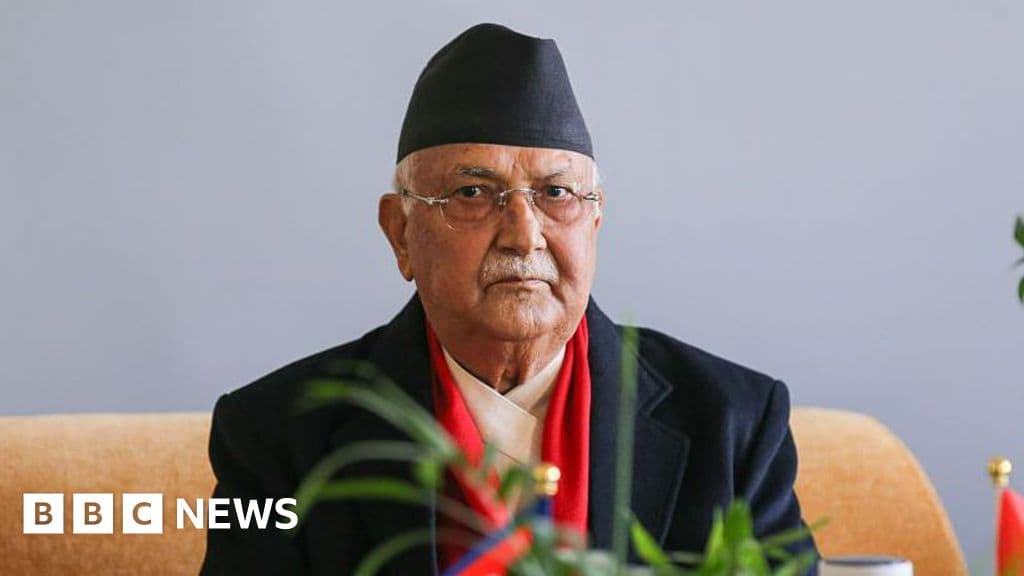
Shocking developments as Nepal’s ex-PM KP Sharma Oli is arrested over his role in deadly protests. What this means for Nepal's future is crucial.
GlipzoIn a dramatic turn of events, KP Sharma Oli, the former Prime Minister of Nepal, has been arrested due to his alleged role in a violent crackdown on protests that resulted in over 70 fatalities last year. This crackdown, which occurred in September 2022, was ignited by a controversial ban on social media and further fueled by widespread discontent regarding corruption and economic struggles within the country. The situation escalated quickly, leading to a significant uprising that raised urgent questions about government accountability and the rule of law.
The unrest took a deadly turn, particularly on September 8, 2022, when protests erupted in response to the government's social media shutdown. Among the deceased were 19 individuals, including a school-aged teenager, highlighting the tragic human cost of the government’s response to dissent. The protests were not isolated incidents but rather part of a broader wave of frustration against high unemployment, a stagnant economy, and an entrenched political system riddled with corruption and nepotism.
Oli's arrest follows the apprehension of former home minister Ramesh Lekhak, as both are being investigated for criminal negligence in connection with the protests. This development comes just one day after the inauguration of Balen Shah, a 35-year-old rapper-turned-politician, who now leads the nation in a time of crisis.
Om Adhikari, a police spokesman in Kathmandu, confirmed, "They were arrested this morning and the process will move forward according to the law." Both Oli and Lekhak have yet to face formal charges, raising questions about the legal processes involved and the potential political implications of such arrests.
Oli, who is 74 years old, has fiercely criticized the commission's findings that led to his arrest, describing them as acts of character assassination and a reflection of hate politics. His legal team argues that his detention is unwarranted at this stage of the investigation, claiming, "It is illegal and improper because there is no risk of him fleeing or avoiding questioning." This statement underscores the contentious nature of the investigations and the political climate in Nepal.
The new Home Minister, Sudan Gurung, who played a significant role during the protests, expressed his support for the arrests through social media. He stated, "No one is above the law... This is not revenge against anyone, just the beginning of justice," emphasizing the importance of accountability in the wake of such tragic events.
The families of the 76 victims who lost their lives during the protests have been vocally demanding justice and accountability from the authorities. Their calls reflect a growing sentiment among the populace that government officials must be held responsible for their actions, especially during times of civil unrest.
Oli's resignation on September 9, 2022, was a pivotal moment in Nepalese politics. He subsequently contested in the elections held on March 5, 2023, but the landscape had significantly shifted. Balen Shah's party, the Rastriya Swatantra Party (RSP), achieved a historic victory, marking the first time in decades that a single party secured a majority in Nepal's complex electoral system.
The electoral success of RSP reflects a yearning for change among the citizens, who are increasingly disillusioned with the traditional political elite. As the country navigates this new chapter, the implications of Oli's arrest could reverberate throughout the political landscape, potentially leading to further reforms and accountability measures.
The arrest of former leaders like Oli and Lekhak signals a potential shift in how Nepalese authorities handle political dissent and civil rights. With a new administration in power, the focus may increasingly shift towards accountability and transparency in governance.
Key questions remain regarding how the current leadership will address the underlying issues that sparked the protests, including economic stability, employment opportunities, and corruption. The upcoming months will be critical as the nation grapples with the repercussions of the protests and the ongoing quest for justice.
As Balen Shah and his administration begin to forge their path, the world will be watching closely. Will they fulfill the promise of justice that many Nepalese citizens are desperately seeking, or will the cycle of political turmoil continue? Only time will tell as Nepal embarks on this challenging journey towards reform and recovery.

Tensions soar as the US and Iran engage in air strikes near the Strait of Hormuz, raising concerns over global oil supply and regional stability.
BBC World
Trump's international interventions face serious stalemates. What will this mean for U.S. foreign policy? Explore the critical challenges ahead.
Indian Express
Tehran denies resignation of President Masoud Pezeshkian amid claims of IRGC influence. What does this mean for Iran's political stability? Click to learn more!
Indian Express