
Glipzo
WorldTechnologyBusinessSportsEntertainmentScienceHealthPolitics
Glipzo
WorldTechnologyBusinessSportsEntertainmentScienceHealthPolitics
  1. Home
  2. /
  3. Politics
  4. /
  5. Shocking Allegations of Voter Intimidation Emerge in Hungary
Shocking Allegations of Voter Intimidation Emerge in Hungary

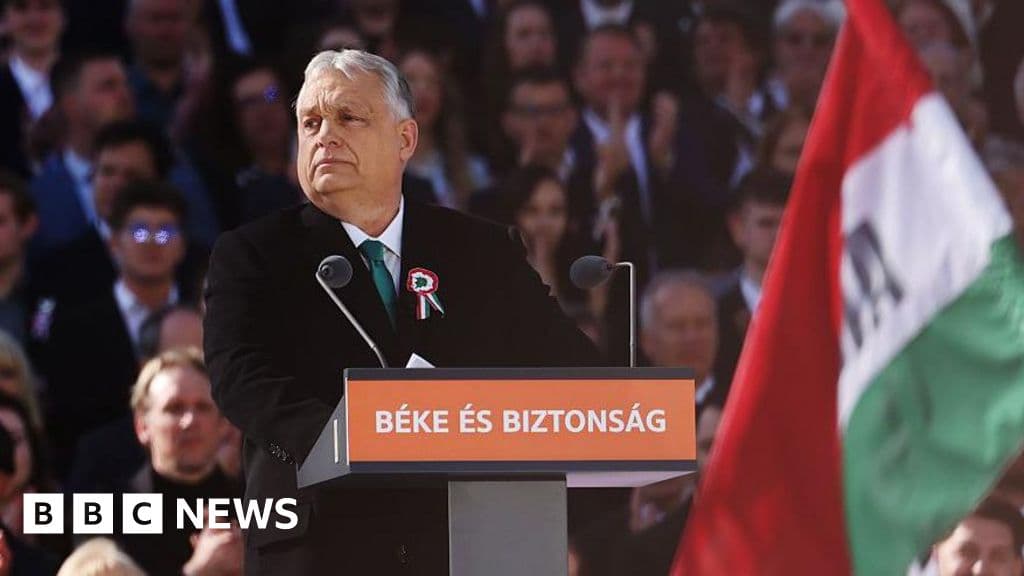
Image: BBC World

Politics
Friday, March 27, 20264 min read

Shocking Allegations of Voter Intimidation Emerge in Hungary

Allegations of mass voter intimidation in Hungary emerge ahead of April elections, sparking concerns over the integrity of the electoral process.

Glipzo News Desk|Source: BBC World
Share
Glipzo

Key Highlights

  • Documentary claims Fidesz government is intimidating voters.
  • Up to 600,000 voters may be affected by coercive tactics.
  • Local mayors accused of controlling community resources for votes.
  • Filmmakers reveal systemic issues of dependency in rural Hungary.

In this article

  • Allegations of Voter Intimidation Surface Before Elections As Hungary prepares for its parliamentary elections on **April 12**, the country is engulfed in controversy following the release of a documentary that accuses **Viktor Orban's Fidesz government** of orchestrating widespread voter intimidation. This film, titled **The Price of the Vote**, premiered on Thursday in Budapest and subsequently on **YouTube**, shedding light on allegations that could profoundly impact the electoral landscape.
  • Documenting the Allegations The documentary paints a grim picture of rural Hungary, where communities are struggling with poverty, particularly among the **Roma minority**. Local mayors, who are often aligned with Fidesz, allegedly wield significant control over their constituents' daily lives. In exchange for votes, they are accused of providing essential services such as employment, firewood, and even medication. This deeply entrenched system of dependency raises concerns about the integrity of the upcoming elections.
  • The Context of Political Pressure In January, Orban addressed a gathering of local mayors, emphasizing the importance of their involvement in the upcoming election. He declared, "This election must be won by you," suggesting that local leaders play a critical role in securing votes for Fidesz. This rhetoric is juxtaposed in the documentary with interviews conducted across various regions of Hungary, revealing a consistent narrative of coercion and manipulation.
  • Evidence of Coercive Tactics The film includes startling accounts from individuals who describe how their basic needs are being weaponized for political gain. For instance, a **Fidesz mayor**, who also serves as a district doctor, is accused of denying medication to patients who refuse to support the party. In another instance, a former candidate reported that he was pressured to withdraw from the race after threats were made regarding the welfare of his children.
  • Implications for Hungary's Future As the **April 12 elections** approach, the implications of these allegations could be profound. With Fidesz trailing behind the **Tisza party**, led by **Peter Magyar**, the ruling party's use of intimidation could be seen as a desperate measure to maintain power. The documentary serves as a rallying cry for change, highlighting the need for transparency and accountability in Hungary's electoral system.
  • What Lies Ahead? As Hungary navigates these turbulent waters, the focus will be on how the government responds to these allegations and whether any actions will be taken to ensure a fair electoral process. With the elections just around the corner, voters must remain vigilant and informed about the tactics being employed to influence their decisions.

Allegations of Voter Intimidation Surface Before Elections As Hungary prepares for its parliamentary elections on **April 12**, the country is engulfed in controversy following the release of a documentary that accuses **Viktor Orban's Fidesz government** of orchestrating widespread voter intimidation. This film, titled **The Price of the Vote**, premiered on Thursday in Budapest and subsequently on **YouTube**, shedding light on allegations that could profoundly impact the electoral landscape.

Filmmakers conducted a six-month investigation, gathering testimonies from voters, local officials, and even police officers. The documentary claims that many voters are being coerced into supporting Fidesz through financial incentives and other forms of pressure, including the provision of illegal drugs. Alarmingly, it is reported that 53 of Hungary's 106 constituencies are implicated, potentially affecting up to 600,000 voters, which is about 10% of the anticipated turnout of six million.

Documenting the Allegations The documentary paints a grim picture of rural Hungary, where communities are struggling with poverty, particularly among the **Roma minority**. Local mayors, who are often aligned with Fidesz, allegedly wield significant control over their constituents' daily lives. In exchange for votes, they are accused of providing essential services such as employment, firewood, and even medication. This deeply entrenched system of dependency raises concerns about the integrity of the upcoming elections.

The BBC has reached out to various government officials for comments regarding these serious allegations. So far, the only response has come from Tibor Navracsics, the Minister for Public Administration and Regional Development. He stated, "If there is any wrongdoing, just let the ministry of interior do its job," but refrained from addressing the specific claims made in the documentary.

The Context of Political Pressure In January, Orban addressed a gathering of local mayors, emphasizing the importance of their involvement in the upcoming election. He declared, "This election must be won by you," suggesting that local leaders play a critical role in securing votes for Fidesz. This rhetoric is juxtaposed in the documentary with interviews conducted across various regions of Hungary, revealing a consistent narrative of coercion and manipulation.

Aron Timar, one of the filmmakers, remarked on the findings, stating, "Initially, we thought the key issue was vote-buying. But we realized that dependency and vulnerability are the core problems." This insight indicates that the intimidation tactics extend far beyond financial incentives, delving into the psychological coercion experienced by voters.

Evidence of Coercive Tactics The film includes startling accounts from individuals who describe how their basic needs are being weaponized for political gain. For instance, a **Fidesz mayor**, who also serves as a district doctor, is accused of denying medication to patients who refuse to support the party. In another instance, a former candidate reported that he was pressured to withdraw from the race after threats were made regarding the welfare of his children.

The film's investigation suggests that these tactics are not isolated incidents but rather part of a broader strategy orchestrated by senior officials within the Fidesz party. This raises serious questions about the ethical implications of such practices and their potential to undermine democratic processes in Hungary.

Implications for Hungary's Future As the **April 12 elections** approach, the implications of these allegations could be profound. With Fidesz trailing behind the **Tisza party**, led by **Peter Magyar**, the ruling party's use of intimidation could be seen as a desperate measure to maintain power. The documentary serves as a rallying cry for change, highlighting the need for transparency and accountability in Hungary's electoral system.

This scenario presents a critical moment for voters in Hungary, who may be faced with the choice of standing against a corrupt system or succumbing to the pressure exerted by local authorities. The international community is watching closely, and the outcomes of these elections could have lasting ramifications not only for Hungary but also for the broader European political landscape.

What Lies Ahead? As Hungary navigates these turbulent waters, the focus will be on how the government responds to these allegations and whether any actions will be taken to ensure a fair electoral process. With the elections just around the corner, voters must remain vigilant and informed about the tactics being employed to influence their decisions.

The fallout from this documentary may also lead to increased scrutiny from international observers, as well as calls for reforms within Hungary to protect electoral integrity. In a time when the principles of democracy are being challenged, the upcoming elections will serve as a litmus test for the future of governance in Hungary.

The world will be watching to see if the Hungarian electorate can rise above the tactics of intimidation and demand a government that represents their true interests and values.

Did you find this article useful? Share it!

Share

Related Articles

Ben Roberts-Smith Fights Back Against War Crime Charges
Politics
Apr 19, 2026

Ben Roberts-Smith Fights Back Against War Crime Charges

Ben Roberts-Smith vows to fight war crime charges, claiming he's innocent. Explore the allegations and their wider implications for military accountability.

BBC World
Jammu & Kashmir Government Seizes 58 Schools Linked to JeI
Politics
Apr 19, 2026

Jammu & Kashmir Government Seizes 58 Schools Linked to JeI

Discover how the Jammu & Kashmir government is reshaping education by taking control of 58 schools linked to the banned Jamaat-e-Islami.

Indian Express
DR Congo Welcomes First Deportees from the US Amid Controversy
Politics
Apr 19, 2026

DR Congo Welcomes First Deportees from the US Amid Controversy

DR Congo takes in its first deportees from the US, raising questions about immigration policy and international relations. What does this mean for the future?

BBC World

Categories

  • World
  • Technology
  • Business
  • Sports

More

  • Entertainment
  • Science
  • Health
  • Politics

Explore

  • Web Stories
  • About Us
  • Contact

Legal

  • Privacy Policy
  • Terms of Service

© 2026 Glipzo. All rights reserved.

