
Image: The Hindu
More than 200 people were killed in a shocking airstrike on a Kabul hospital treating drug users. Discover the implications of this tragic event.
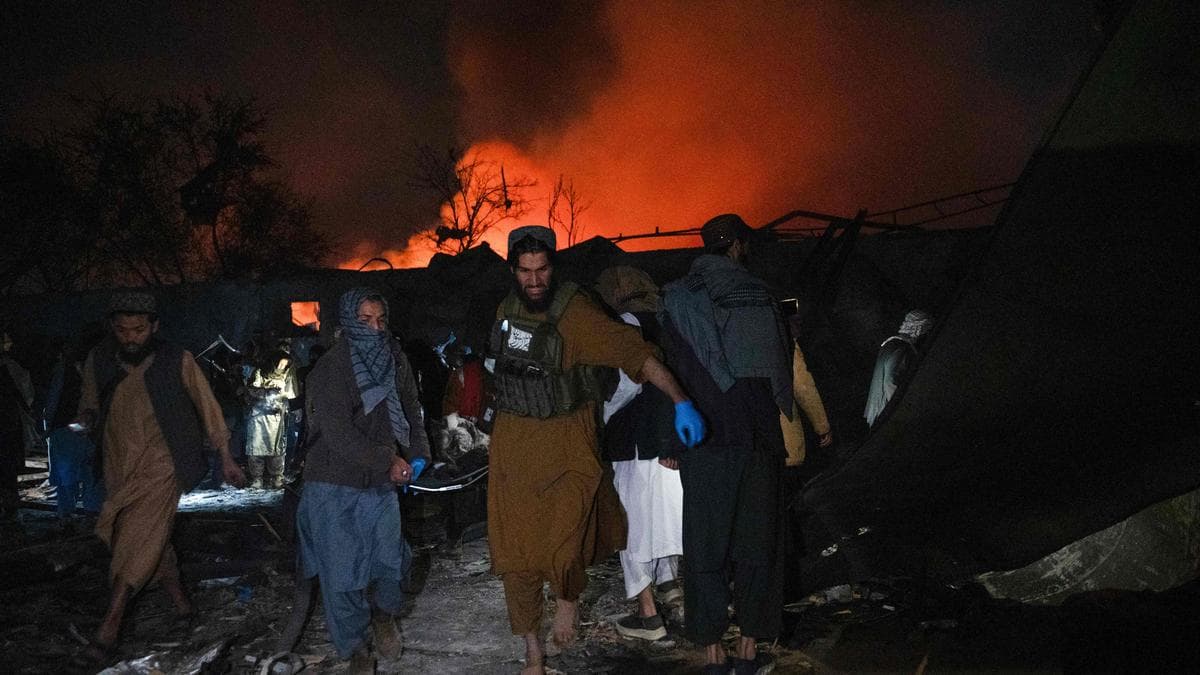
GlipzoIn a devastating event that has sent shockwaves across the region, over 200 people have reportedly died following airstrikes carried out by Pakistan on a hospital in Kabul. The targeted facility, known as the Secondary Rehabilitation Services Centre, was dedicated to treating individuals struggling with drug addiction. This tragic incident occurred on March 16, 2026, during a period of escalating tensions between Afghanistan and Pakistan.
According to Afghanistan's Health Ministry, the airstrikes left the hospital in ruins and resulted in a significant loss of life, predominantly among patients receiving treatment. Sharafat Zaman, the ministry's spokesperson, conveyed the severity of the situation during a televised interview, stating that the attack had destroyed all sections of the hospital. Footage shared by local news outlets depicted firefighters battling flames amid the wreckage, underlining the gravity of the event.
This airstrike came on the heels of violent exchanges along the border, where both nations have seen increased military confrontations. On the same day as the bombing, Afghan officials reported that four individuals were killed in cross-border fire, marking a week of intense conflict that has left communities on both sides in fear. Zabiullah Mujahid, the Afghan government spokesperson, condemned the attack, labeling it a blatant violation of Afghan sovereignty and indicating that the majority of casualties were patients receiving care at the hospital.
In response, Pakistan's Prime Minister Shehbaz Sharif dismissed these accusations as unfounded. Mosharraf Zaidi, a spokesperson for the Pakistani government, stated that the military operations were aimed solely at military targets and that no civilian facilities were harmed. The Pakistani Ministry of Information further claimed that the strikes were precisely aimed at military installations and infrastructure linked to terrorist activities, emphasizing that they were executed with the intent to minimize collateral damage.
The ongoing conflict between Afghanistan and Pakistan has deep historical roots, with both nations accusing each other of harboring militant groups that conduct cross-border attacks. Pakistan has long maintained that the Afghan Taliban provides a sanctuary for the Pakistani Taliban and other militant factions, which in turn pose a threat to its national security. Conversely, the Afghan government denies these allegations, insisting that they do not support any groups that threaten Pakistan.
This latest incident has escalated tensions further, prompting international attention. Hours before the airstrike, the U.N. Security Council unanimously adopted a resolution urging the Taliban in Afghanistan to enhance efforts to combat terrorism. Although the resolution did not specifically name Pakistan, it condemned all acts of terrorism, indicating the urgent need for both countries to address their security concerns collaboratively.
The bombing of a hospital treating vulnerable populations reflects a dire humanitarian crisis in the region. With drug addiction being a significant issue in Afghanistan, facilities like the Secondary Rehabilitation Services Centre are critical for public health. The loss of life here not only highlights the immediate tragedy but also raises questions about the future of healthcare for those grappling with addiction in a country already ravaged by decades of conflict.
The ramifications of this airstrike extend beyond the immediate casualties. The destruction of healthcare facilities exacerbates the existing challenges for the Afghan government, which is already struggling with limited resources and international isolation. As the humanitarian situation worsens, the potential for increased instability in the region grows.
In the wake of this tragedy, the international community will be closely monitoring developments between Afghanistan and Pakistan. Both governments face pressure to de-escalate tensions and return to diplomatic negotiations. Observers suggest that sustained dialogue is essential to prevent further violence and address the underlying issues contributing to the conflict.
As Afghanistan grapples with the aftermath of this airstrike, it is imperative for the Taliban to reassess its strategies regarding both internal governance and international relations. The humanitarian implications of military actions in densely populated areas will likely remain a focal point for advocacy groups and humanitarian organizations, urging both nations to prioritize the welfare of civilians.
In conclusion, as the situation evolves, the global community must advocate for peace and stability in the region, recognizing that the consequences of these attacks extend far beyond immediate fatalities. The focus should now be on rebuilding trust and ensuring that such tragedies do not repeat in the future.
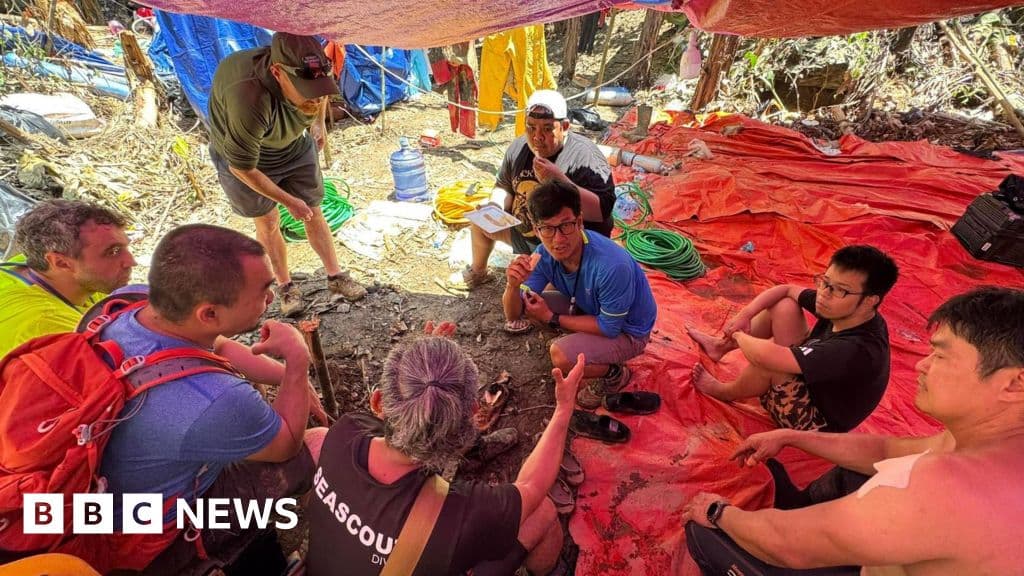
Survivors of the Laos cave rescue are aiding efforts to find the last two missing men trapped inside, sharing crucial insights for the search operation.
BBC World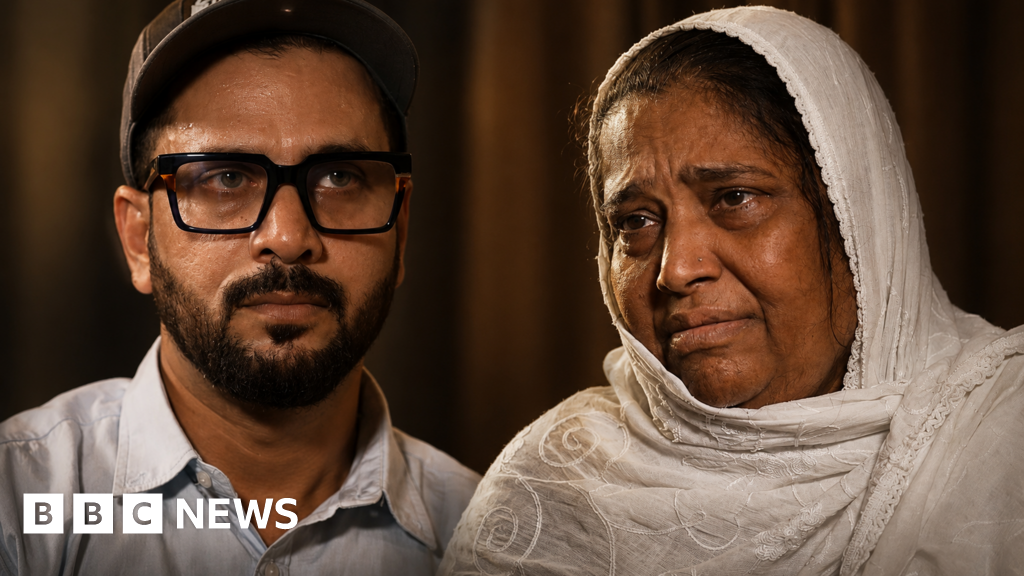
A year after the tragic Air India crash, the Ali family reflects on grief, unanswered questions, and the enduring bonds of love in the face of loss.
BBC Business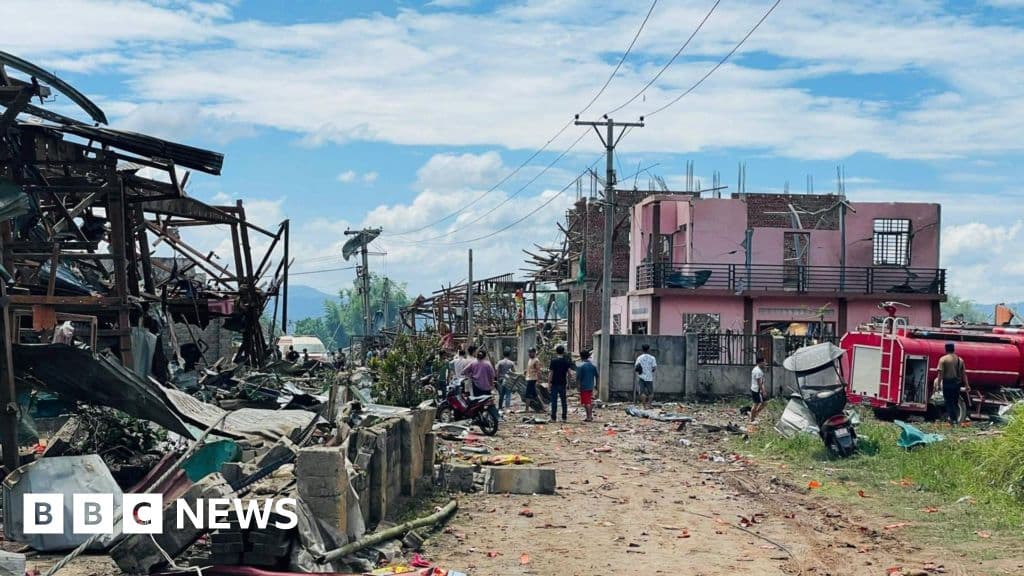
A devastating explosion in Myanmar's Kaung Tat village has killed at least 55 people, raising serious safety concerns and questions about civilian protection in conflict zones.
BBC World