
Image: BBC World
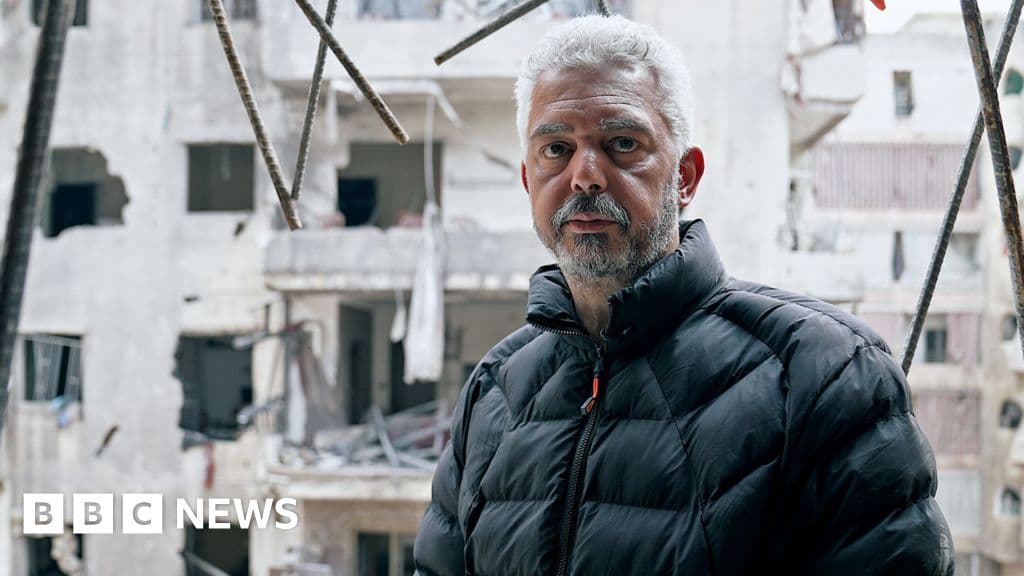
Discover the heartbreaking impact of recent Israeli airstrikes in Beirut's Hay el Sellom neighborhood, where lives were shattered in just 10 minutes.
GlipzoOn April 8, 2024, the southern suburbs of Beirut experienced a catastrophic event that transformed the once-thriving neighborhood of Hay el Sellom into a scene of utter devastation. In just a matter of 10 minutes, Israeli airstrikes targeted approximately 100 locations throughout Lebanon, leaving a trail of destruction that would eclipse previous attacks during the ongoing conflict.
What was once a bustling community filled with homes and families is now an unrecognizable landscape of collapsed buildings, twisted metal, and debris. The eeriness of the silence that blankets the area is a stark contrast to the lively atmosphere that once characterized everyday life here. Residents who remained in Hay el Sellom faced a grim reality as their homes were reduced to rubble, staircases led to nowhere, and the sounds of laughter and conversation were replaced by haunting quietude.
Among those affected was Mohammed, who lost his son Abbas in the strikes. On that fateful afternoon, Abbas was sleeping peacefully in their apartment when the building was struck, leading to a catastrophic collapse. Mohammed recounts the horror: "The three floors above mine all fell into one room. They all came down together… on top of him."
The assault, which began at 14:15 local time, marked one of the most devastating moments in the current conflict, resulting in a staggering death toll of 361 people, with over 1,000 individuals injured across Lebanon. Eyewitness accounts and local reports suggest that while Israeli forces aimed for military targets, many innocent civilians, like Abbas, became victims of the violence. Mohammed expressed his grief, stating, "This is the second home I’ve lost. In the last war, I lost a home. And in this war, I lost another. I wish it was just my home that I lost, and that my son survived."
The airstrikes were part of a broader escalation in the region, following Hezbollah's rocket attacks on March 2, which were in retaliation to US and Israeli military actions against Iran. The situation escalated further, leading to Israeli forces targeting Hezbollah leadership and assets within Lebanon. On the morning of the strikes, a temporary ceasefire between the United States and Iran was announced, instilling cautious optimism among residents—only to be shattered by the subsequent attacks.
Despite prior evacuation orders and warnings of impending strikes, many residents, like Mohammed, felt they had nowhere to go, leading to their tragic fates. Mohammed emphasized his belief that the casualties were exclusively residents of the building, asserting, "I would never risk my son's life."
In the weeks following the strikes, investigations into the attacks revealed chilling details. By analyzing verified footage, social media posts, and satellite imagery, researchers identified at least five separate strikes that hit Hay el Sellom in rapid succession. The Lebanese health ministry has reported that over 80 people were killed in this neighborhood alone, underscoring the scale of civilian casualties amid the military operations.
While some reports indicated the possible targeting of a senior Hezbollah figure, Ali Mohammed Ghulam Dahini, the Israeli Defense Forces (IDF) did not confirm these claims nor provide clarity on the specific targets of their strikes in the area. The ambiguity surrounding the justification for these attacks raises significant questions about the rules of engagement in this ongoing conflict, particularly regarding civilian safety.
The emotional toll on the survivors is profound. Many residents share Mohammed’s sentiment of loss and despair. In a region already battered by years of conflict, the airstrikes have only deepened the wounds of the community. As families sift through the rubble of their homes, they confront the stark reality of their grief. Mohammed’s poignant reflections resonate widely: "Nothing will bring back my son. This brick can be rebuilt. But nothing will bring back my son."
This tragedy serves as a painful reminder of the price of war, particularly for civilians caught in the crossfire. The voices of the survivors echo a shared desire for peace, illustrating that the ramifications of such military actions extend far beyond immediate destruction.
As the conflict continues to unfold, the situation in Lebanon remains precarious. The international community is watching closely, with calls for accountability and a renewed emphasis on civilian protection in conflict zones. The ongoing violence between Israel and Hezbollah raises serious concerns about the potential for further escalation, which could exacerbate the humanitarian crisis already facing Lebanon.
In the wake of this tragedy, it is crucial for global leaders to prioritize dialogue and diplomatic solutions to prevent further loss of life. The resilience of communities like Hay el Sellom will be tested in the months to come as they seek to rebuild their lives and honor the memories of those lost. The world must pay attention to their stories, advocating for peace and stability in a region that has suffered far too long.
Ultimately, the events of April 8 serve as a stark reminder of the human cost of conflict, urging us to reflect on how we can work towards a future where such tragedies are no longer a reality.
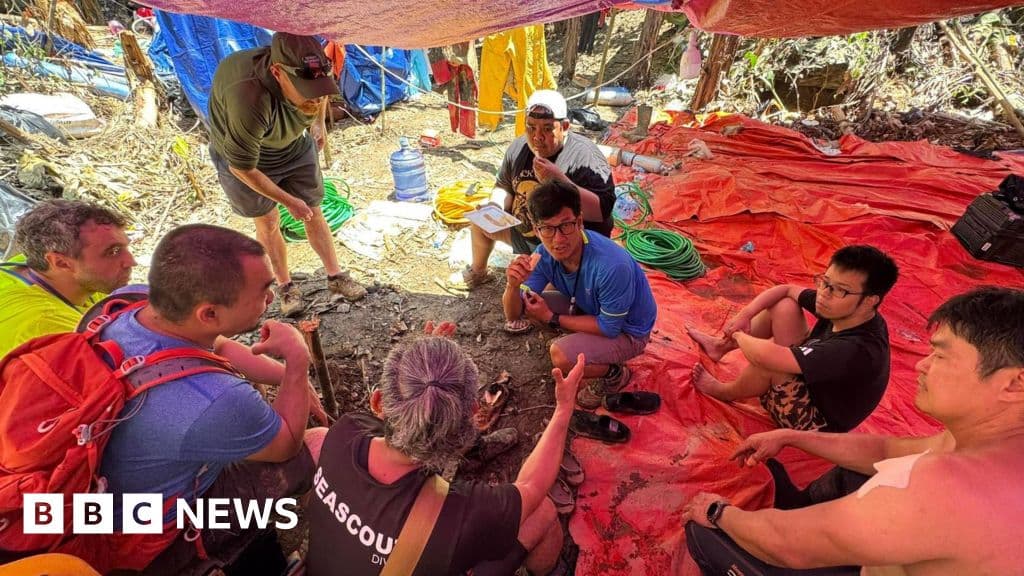
Survivors of the Laos cave rescue are aiding efforts to find the last two missing men trapped inside, sharing crucial insights for the search operation.
BBC World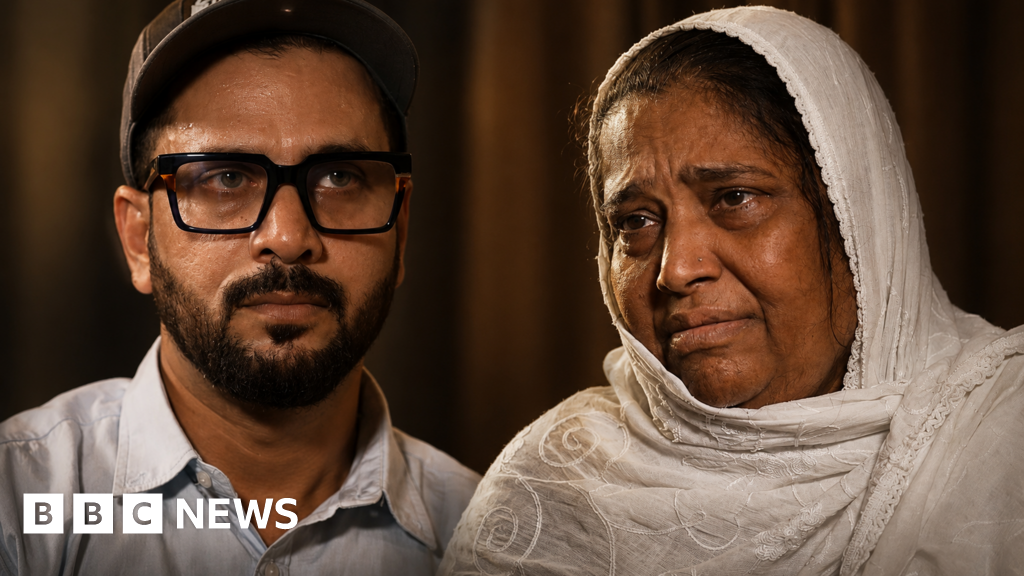
A year after the tragic Air India crash, the Ali family reflects on grief, unanswered questions, and the enduring bonds of love in the face of loss.
BBC Business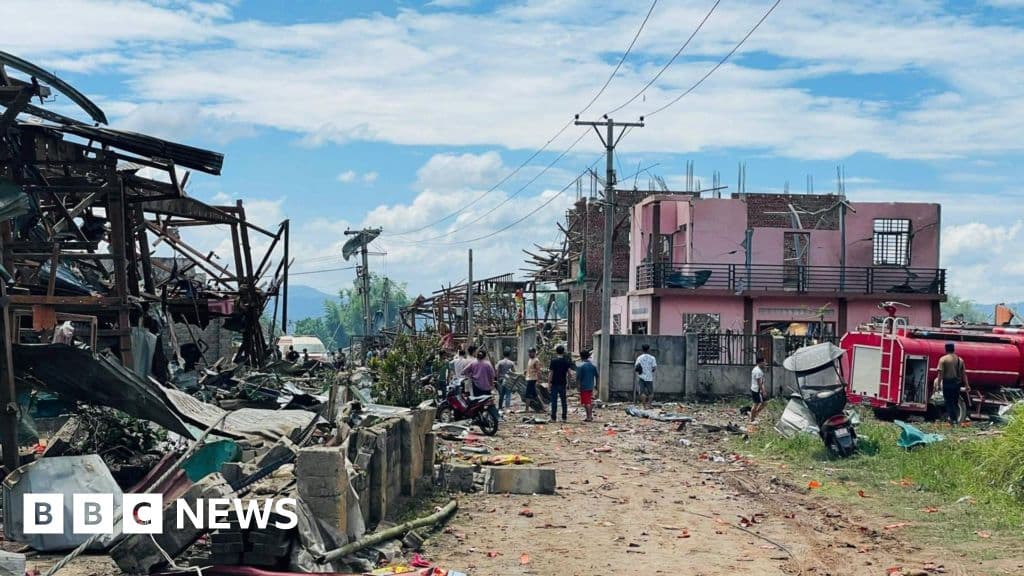
A devastating explosion in Myanmar's Kaung Tat village has killed at least 55 people, raising serious safety concerns and questions about civilian protection in conflict zones.
BBC World