
Image: BBC World
A devastating air strike on a Kabul rehab center during dinner leaves hundreds feared dead. Eyewitness accounts reveal chaos and despair. What happens next?
GlipzoIn a shocking turn of events, an air strike targeted the Omid Addiction Treatment Hospital in Kabul, Afghanistan, during the evening of March 27, 2023. As patients gathered for dinner, the facility was struck around 9 PM local time (16:30 GMT), resulting in a catastrophic loss of life and raising alarms about escalating tensions in the region. The attack is reportedly the deadliest incident amid rising violence between Pakistan and Afghanistan, with estimates suggesting that as many as 400 individuals may have lost their lives, although this figure is yet to be confirmed.
The tragedy unfolded as many residents were breaking their daily fast for Ramadan, a month of reflection and spirituality for Muslims worldwide. Eyewitness accounts from survivors paint a harrowing picture of the chaos that ensued when the bombs fell. Mohammad Shafee, a young patient at the center, recounted the horrifying moments, saying, "I was in the kitchen helping to serve dinner when I heard a loud bang and ran for safety. When I returned later, I found most of our colleagues and people in the dining room hit. Only five of us survived."
Dr. Maiwand Hoshmand, who was working at the facility, described how the attack occurred shortly after patients had finished their meals. Many had gathered for congregational prayers at the time of the strike. Omid Stanikzai, a security guard, recalled the tense atmosphere moments before the air strike: "I heard the sound of the jet patrolling. There were military units all around us. When these military units fired on the jet, the jet dropped bombs and a fire broke out."
The devastation was further elaborated by Ahmad, a 50-year-old patient, who said, "The whole place caught fire. It was like doomsday. My friends were burning in the fire, and we could not save them all." This tragic event raises critical questions about the safety of civilian facilities during military operations.
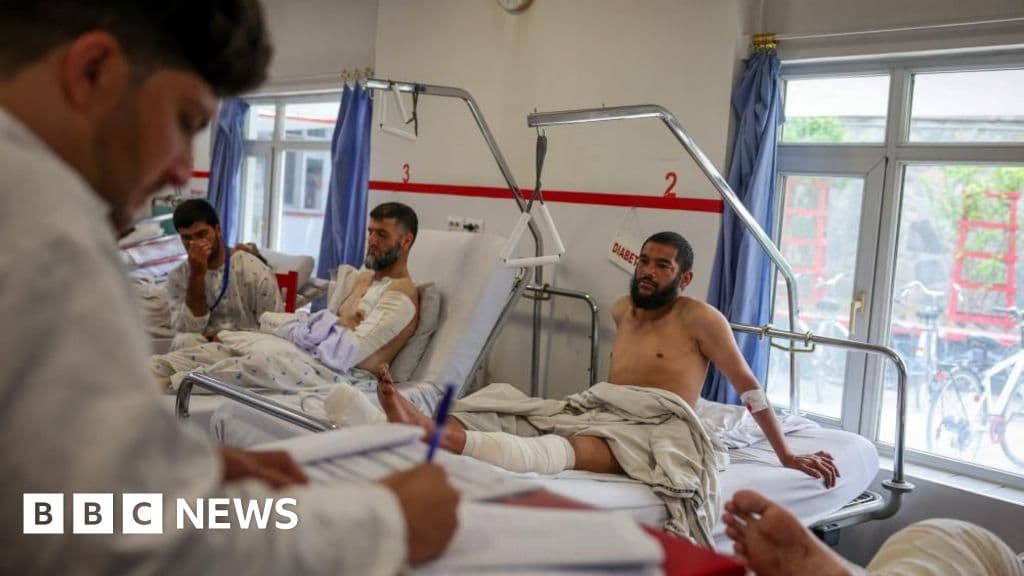
In the wake of the attack, rescue teams have been tirelessly working to recover bodies from the wreckage of the single-story building, which was formerly a military training camp repurposed as a rehabilitation center. On March 28, medics were seen treating dozens of injured individuals amid the smoldering ruins. Eyewitnesses reported shattered furniture and personal belongings strewn across the area, contributing to the heartbreaking scene.
A crowd of anxious relatives gathered outside the facility, desperately seeking news of their loved ones. One woman, a mother of nine, expressed her anguish, stating, "Gul Meer was in the facility for over seven months now. Since last night when the attack happened, we have no information about him. I don't know what happened to him; I am waiting for the list to be announced later." Another distraught mother recounted, "I asked about him here from the officials – nobody knows where he is."
The circumstances surrounding the air strike remain murky, with conflicting narratives emerging from both Pakistan and Afghanistan. Pakistan has denied any intentional attack on the rehabilitation center, labeling claims from Afghan officials as "entirely baseless." The Pakistani government asserts that the air strike was aimed at military installations and terrorist support infrastructure in the region.
As the death toll continues to rise, with over 100 bodies already transported to the Kabul Forensic Medicine Department, the situation remains dire. Many victims have been identified, but the severely disfigured bodies present significant challenges to identification efforts, heightening the anguish of families searching for their loved ones.
The air strike on the Omid Addiction Treatment Hospital is a stark reminder of the deteriorating security situation in Afghanistan. The United Nations has expressed concern over the escalation of violence, urging both countries to exercise restraint. Since late February, reports indicate that at least six health facilities in Afghanistan have been impacted due to the ongoing tensions between the two nations.
Despite Afghanistan being notorious for being a leading source of illegally produced opium, the country also faces a severe drug addiction crisis. Rehabilitation centers like Omid are vital for treating those affected by substance abuse, underscoring the need for safe and secure environments for vulnerable populations.
As the international community watches closely, the aftermath of this tragedy raises critical questions about the future of civilian safety in conflict zones. What will be the response from both the Afghan and Pakistani governments to prevent further civilian casualties? Will there be accountability for such attacks, and how will the humanitarian needs of those affected be addressed?
The coming weeks will be pivotal in determining how both nations move forward in resolving their differences and ensuring that civilians are protected during military operations. The world awaits answers as families continue to grieve and hope for justice.
This tragic event highlights the urgent need for a ceasefire and dialogue between Pakistan and Afghanistan to prevent further civilian casualties. The safety of healthcare facilities must be a priority, and a clear understanding of military operations is essential to safeguard vulnerable populations. The impact of political tensions extends beyond borders, affecting the lives of countless individuals caught in the crossfire.
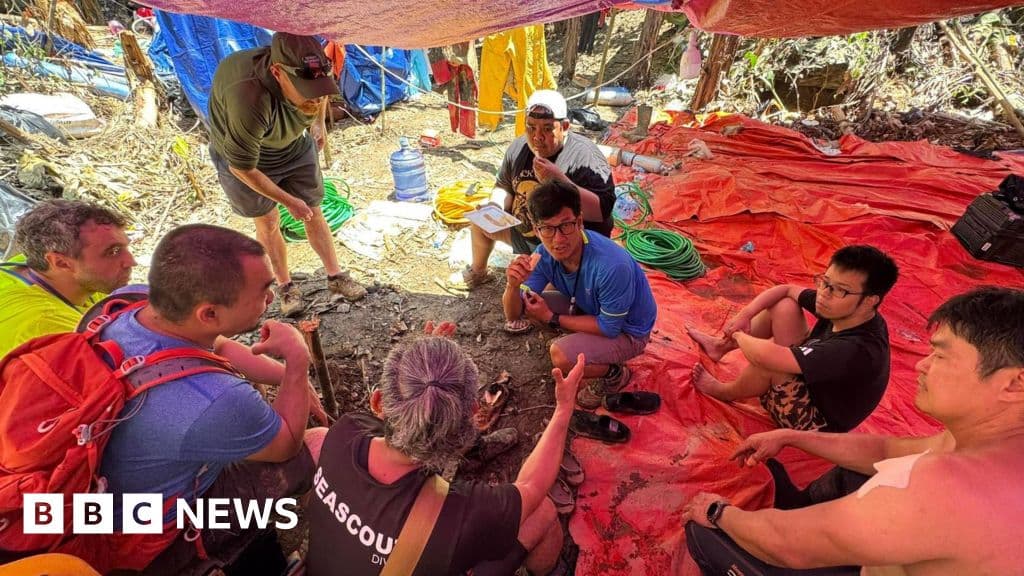
Survivors of the Laos cave rescue are aiding efforts to find the last two missing men trapped inside, sharing crucial insights for the search operation.
BBC World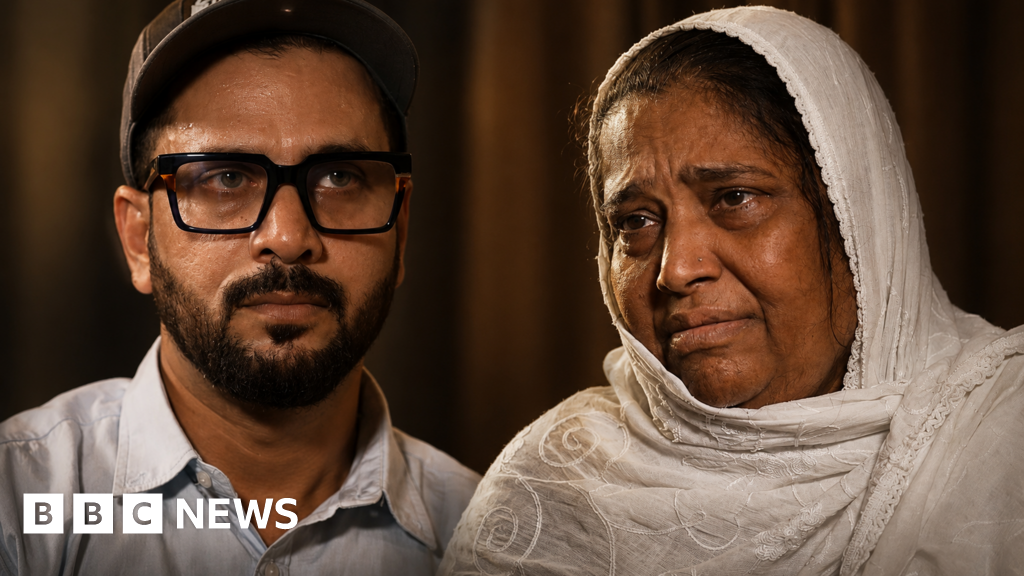
A year after the tragic Air India crash, the Ali family reflects on grief, unanswered questions, and the enduring bonds of love in the face of loss.
BBC Business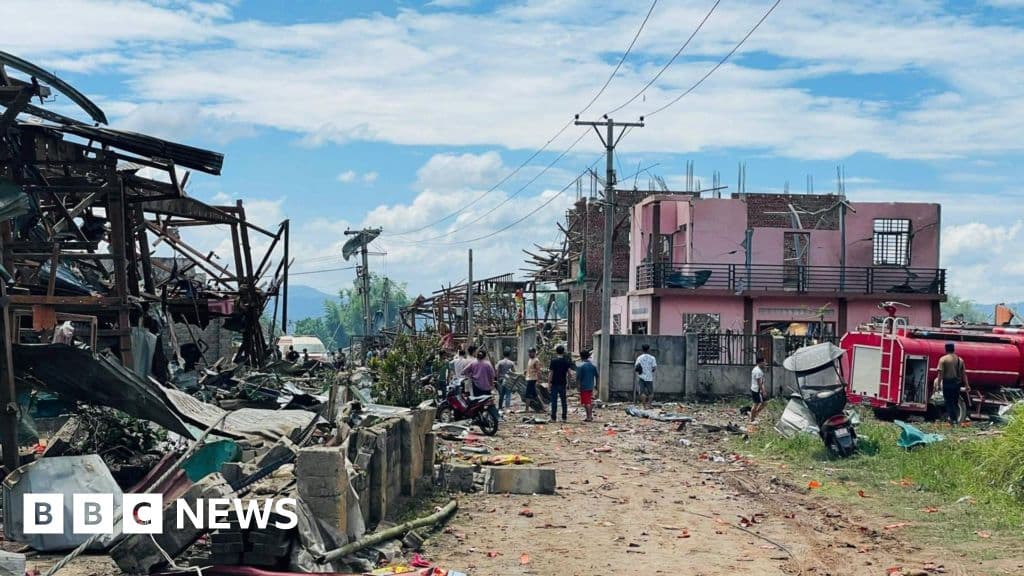
A devastating explosion in Myanmar's Kaung Tat village has killed at least 55 people, raising serious safety concerns and questions about civilian protection in conflict zones.
BBC World