
Image: BBC World
AI-generated videos are stirring controversy in Hungary's elections. Discover how this shocking tactic may impact the political landscape.
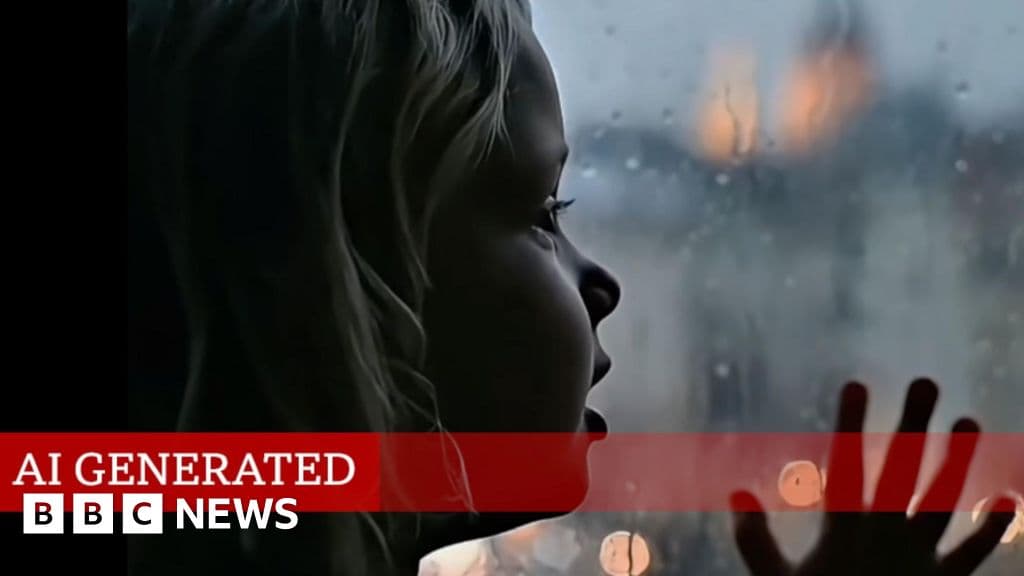
GlipzoAs Hungary heads into crucial elections on April 12, 2024, a viral AI-generated video depicting a soldier's execution has ignited outrage and debate. This unsettling clip, which surfaced in February on the social media platforms of Prime Minister Viktor Orbán's Fidesz party, pulls at the heartstrings by telling the story of a daughter longing for her father's safe return from war, only to see him brutally executed by his captors.
The video is part of a larger campaign strategy aimed at targeting Orbán's main rival, Péter Magyar, leader of the center-right Tisza party. With Orbán seeking a fourth consecutive term, the stakes have never been higher, and the use of such shocking content raises questions about the ethics of political campaigning in modern Hungary.
The Fidesz campaign has made unfounded allegations regarding the ongoing conflict in Ukraine, suggesting that Magyar's victory could lead to direct conflict on Hungarian soil. The AI video claims that Magyar does not want the public to see the horrors of war, asserting, "Péter Magyar doesn’t want you to see this video." This tactic of emotional manipulation aims to paint Magyar as a potential threat to national security.
Fidesz’s messaging has included claims that if elected, Magyar would divert pension funds to support Ukraine and impose mandatory military service. Such assertions have been met with strong denials from Magyar and his party, which emphasize their commitment to peace and their pledge to refrain from sending troops to Ukraine.
Magyar condemned the AI video, labeling it as “heartless manipulation” and accusing Fidesz of crossing ethical boundaries in their political tactics. The controversy deepens as the Fidesz party has yet to officially confirm or deny its involvement in producing the AI-generated video.
The use of generative AI technology in political campaigning is a relatively new phenomenon in Hungary, according to Zsófia Fülöp, a journalist at Lakmusz, the country’s sole independent fact-checking organization. Fülöp notes that while sensational narratives from the ruling party are not unprecedented, the extensive use of AI to create misleading content marks a troubling evolution in political discourse.
Fidesz’s strategies have resonated with some voters, but recent opinion polls indicate that Péter Magyar is leading, suggesting that such tactics may not significantly sway public sentiment. The ruling party has employed various AI-generated clips, including one widely shared by the pro-Fidesz group National Resistance Movement (NEM), presenting a fabricated conversation between Ursula von der Leyen and Magyar about financial support for Ukraine. This video amassed over 3.7 million views before its authenticity was called into question.
As misinformation spreads, the role of independent media and fact-checkers becomes increasingly critical. The Central European University’s Democracy Institute researcher, Éva Bognár, highlighted the pervasive disinformation present in the campaign, stating, "We’re in a state of hallucination," pointing to how the narratives being pushed can distort public perception of reality.
The Hungarian elections are now more than just a political contest; they symbolize a battle for the truth amid a landscape flooded with AI-generated content that blurs the lines between reality and fabrication. The implications of these tactics extend beyond the election itself, as they could influence future political campaigns and the integrity of democratic processes.
As Hungary prepares for its elections, the impact of AI-generated videos and disinformation tactics remains to be seen. Viktor Orbán’s Fidesz party will likely continue to use these strategies to rally support, while Péter Magyar’s Tisza party may need to enhance its counter-narratives to combat these claims effectively.
The outcome of this election could set a precedent for how technology is utilized in political campaigns worldwide, raising ethical questions about the boundaries of political rhetoric. As voters become more aware of the potential for manipulation through AI, the demand for transparency and accountability in political messaging may grow.
The use of AI in political campaigns signifies a new era where truth can be easily distorted, posing challenges to democracy. As Hungary's election approaches, the ramifications of these tactics will be closely scrutinized, potentially reshaping the landscape of political communication not only in Hungary but globally.

Tensions soar as the US and Iran engage in air strikes near the Strait of Hormuz, raising concerns over global oil supply and regional stability.
BBC World
Trump's international interventions face serious stalemates. What will this mean for U.S. foreign policy? Explore the critical challenges ahead.
Indian Express
Tehran denies resignation of President Masoud Pezeshkian amid claims of IRGC influence. What does this mean for Iran's political stability? Click to learn more!
Indian Express