

Image: TechCrunch
Discover why investing in energy tech is the next big thing for AI. Explore how power shortages are reshaping opportunities in technology investment.
GlipzoIn recent years, venture capitalists have heavily invested in artificial intelligence (AI) startups, pouring over $500 billion into the sector within the last five years. However, a new report by Sightline Climate suggests that the smartest investment move might now be in energy technology. The report highlights that nearly 50% of announced data center projects are facing delays, primarily due to issues related to power access.
Currently tracking 190 gigawatts of data center projects, Sightline reveals that only 5 gigawatts are currently under construction. In stark contrast, around 6 gigawatts of projects were completed in the last year, while 36% of the projects are expected to see their timelines extended into 2025. This trend of delays poses significant implications for large enterprises and companies utilizing AI in their operations, potentially impacting their growth and service capabilities.
The ongoing supply-demand imbalance presents a golden opportunity for investors. Major tech firms, including Google and Meta, are already investing heavily in renewable energy sources such as solar, wind, and nuclear. Furthermore, they are backing innovative technologies like Form Energy's 100-hour battery through direct investments and collaboration with utility companies to expedite their implementation.
A variety of startups are emerging to tackle the pressing power issues faced by data centers. Key players in this space include: - Amperesand, DG Matrix, and Heron Power: Focused on developing advanced power conversion technologies. - Camus, GridBeyond, and Texture: Innovators creating software solutions to manage and optimize electron flow.
As AI continues to expand its footprint, Goldman Sachs predicts data center power consumption will increase by 175% by 2030, exacerbating the existing power shortages.
The unprecedented shortages in power generation are not only impacting data centers but are also causing electricity prices to surge across the United States. In response, tech giants are exploring alternative power sources to reduce their reliance on traditional power grids. Notably, the Trump administration has urged these companies to establish their own power supplies or face higher rates, a move many had anticipated and begun preparing for.
Major tech companies like Amazon, Google, and Oracle are actively working to mitigate their dependence on the grid. Several upcoming data centers are being designed to utilize on-site power or a hybrid model that combines on-site generation with grid access. Interestingly, less than 25% of projects with identified power sources plan to use on-site or hybrid systems, which together account for 44% of the total capacity.
The current energy landscape is complicated further by shortages of pivotal power generation equipment, specifically gas turbines, alongside an outdated grid infrastructure. These challenges have opened up avenues for alternative energy solutions.
A prime example of innovation in this space is Google's recent agreement to power a new data center in Minnesota. This project will utilize a combination of wind and solar energy, augmented by a 30 gigawatt-hour battery from Form Energy. Collaborating with Xcel Energy, Google has also developed a new pricing structure aimed at promoting the adoption of these groundbreaking technologies in utility planning.
Grid-scale batteries are expected to revolutionize the power market. According to the U.S. Energy Information Administration, the country is projected to have nearly 65 gigawatts of battery storage capacity by the end of this year. Form Energy, along with its competitors, is keen to capitalize on this trend, preparing to raise $500 million ahead of a potential initial public offering (IPO).
While energy supplies are critical, efficient management of this energy is equally important. Traditionally, transformers—devices that regulate voltage—have relied on bulky iron and copper designs that have remained unchanged for about 140 years. As data centers push for higher power densities, the limitations of these aging systems become increasingly apparent, necessitating a shift toward more adaptable and efficient technologies.
The intersection of AI and energy technology is an evolving landscape that holds significant promise for investors. The ongoing power challenges faced by data centers are likely to spur further innovation and investment in alternative energy solutions. As companies adapt to rising energy demands and a changing regulatory environment, we can expect to see: - Increased collaborations between tech firms and energy startups. - Accelerated development of on-site and hybrid power solutions. - Greater focus on sustainable and efficient energy management technologies.
In summary, as the demand for AI continues to grow, so too will the need for reliable and innovative energy solutions. Investors who recognize this shift early may find themselves at the forefront of a burgeoning industry that has the potential to reshape the future of technology and energy.

Commercial LPG prices have risen again, with increases of ₹42 in Delhi and ₹53.50 in Kolkata impacting businesses and consumers alike. Find out more.
Indian Express
Discover how a tragic coal mine explosion in Shanxi, China, reveals ongoing safety concerns in the industry amidst a push for green energy.
BBC Business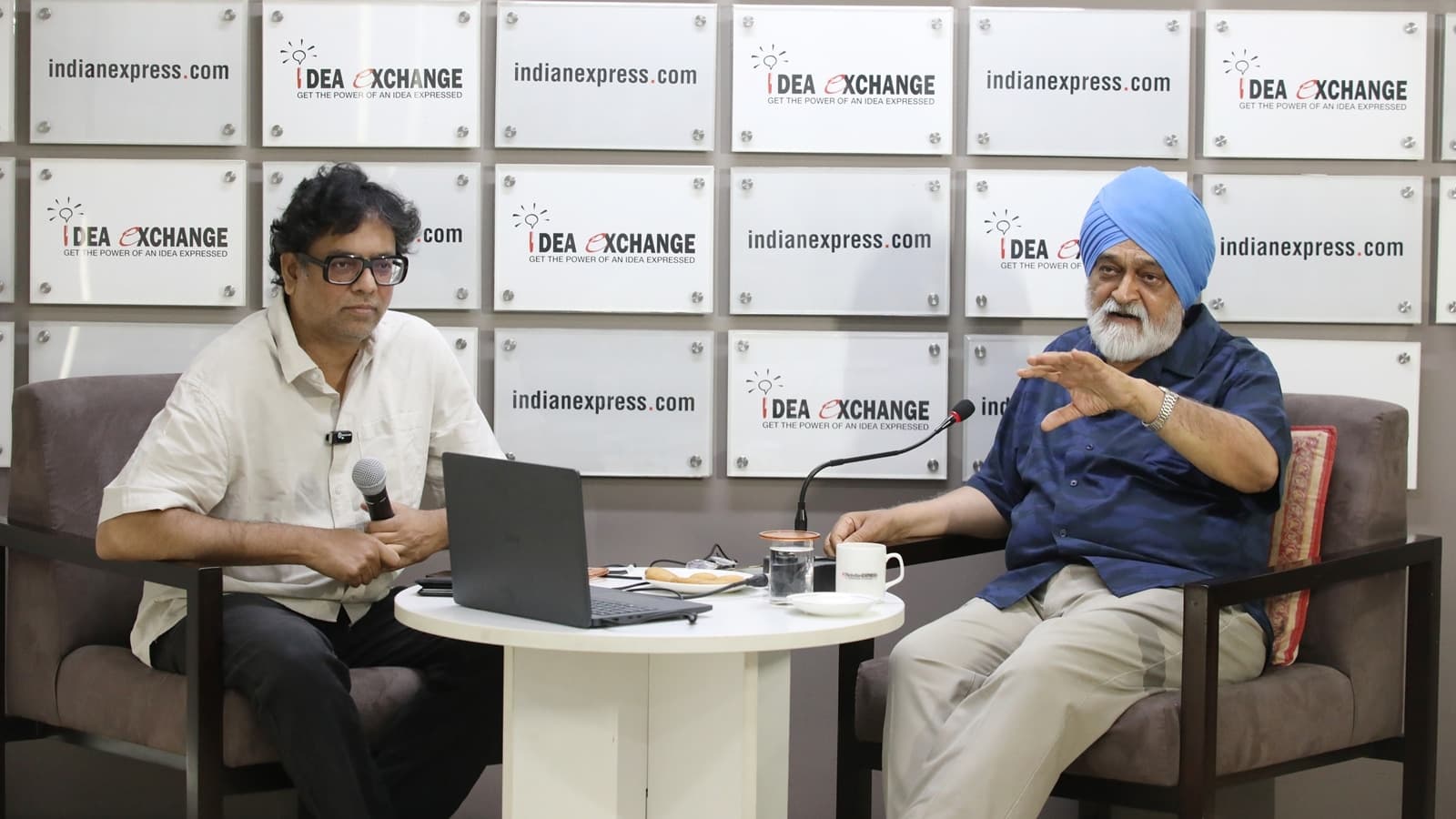
Montek Singh Ahluwalia highlights key economic challenges for India, emphasizing the need for a strategic approach to balance payments and investment.
Indian Express