

Image: TechCrunch
Discover the most critical AI stories of 2023, including military confrontations and viral app phenomena. What does this mean for the future of AI?
GlipzoThe landscape of artificial intelligence in 2023 has been marked by significant events that are reshaping the industry. From contentious military contracts to the rise of viral AI applications, these stories reflect not only technological advancements but also the ethical dilemmas and public sentiments surrounding AI.
Anthropic took a firm stance against its technology being utilized for mass surveillance or for autonomous weapons without human oversight. The Pentagon, however, insisted that the Department of Defense should have access to these AI models for any lawful military use, a position that raised eyebrows among many advocates for ethical AI.
Amodei articulated his company’s position in a statement, emphasizing that while military decisions should be made by the government, there are instances where the deployment of AI could threaten democratic values. He declared, “Anthropic understands that the Department of War, not private companies, makes military decisions.” This conflict serves as a crucial example of the ethical considerations at play in the burgeoning AI sector.
When the deadline passed without a resolution, former President Donald Trump intervened, instructing federal agencies to reduce their reliance on Anthropic’s tools, labeling the company as a “radical left, woke company.” Following this, the Pentagon classified Anthropic as a “supply-chain risk,” a designation typically reserved for foreign adversaries, which could severely limit business opportunities for the AI firm. In response, Anthropic initiated legal action challenging this designation, marking a significant escalation in the ongoing saga.
Public reaction was swift and critical. The day after OpenAI's announcement, uninstalls of ChatGPT surged by 295% as users expressed distrust. Meanwhile, Anthropic’s Claude app ascended to the top of the App Store, highlighting a shift in consumer sentiment. Caitlin Kalinowski, an OpenAI hardware executive, resigned in protest, labeling the decision as rushed and lacking necessary safeguards. OpenAI later clarified that its agreement maintains its commitment to avoid autonomous weapons and surveillance, yet the controversy continues to cast a shadow over its reputation.
The OpenClaw phenomenon not only captivated tech enthusiasts but also sparked debates around privacy and data security. The app’s success serves as a testament to the growing public interest in AI-driven tools and the accompanying ethical considerations.
Looking ahead, stakeholders in the AI field must navigate these complex waters carefully. The ongoing debates about military use, privacy concerns, and consumer trust will shape the future landscape of AI. As these discussions evolve, it will be crucial to monitor how companies like Anthropic and OpenAI adapt to public sentiment and regulatory pressures. The outcomes of these tensions may very well dictate the ethical framework within which AI operates in the coming years.
As the AI narrative unfolds, further developments in military contract negotiations and public reactions will be pivotal to watch. The balance between innovation and ethical responsibility remains a key issue that will define the trajectory of artificial intelligence in the near future.
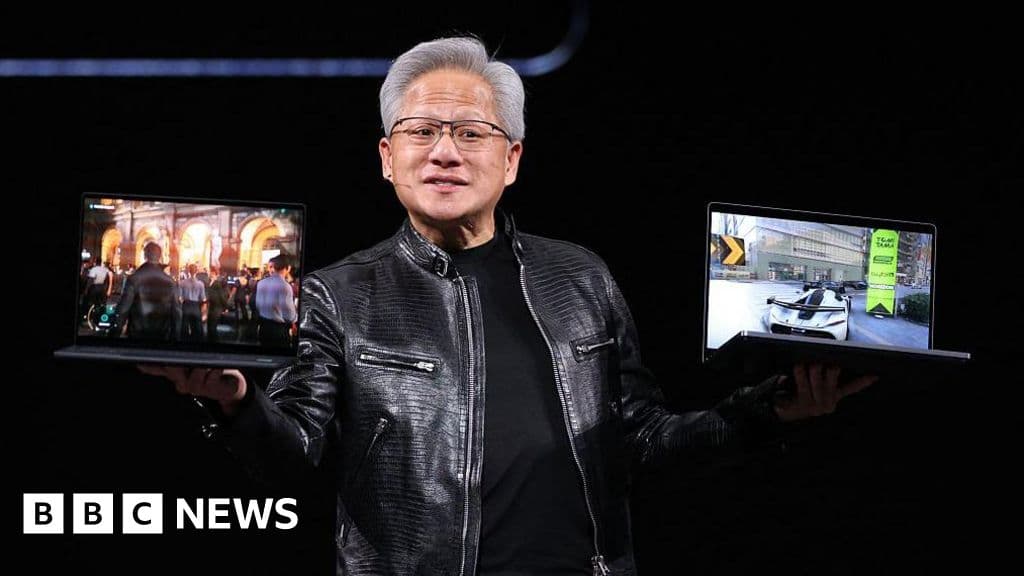
Nvidia's new RTX Spark chip aims to transform personal computing with AI, marking a significant shift in technology. Discover what this means for consumers.
BBC Business
The explosion of Blue Origin's New Glenn rocket raises significant concerns over NASA's lunar ambitions and the future of Amazon's satellite projects. Discover the implications.
BBC Science
Discover how Meta's lack of engagement on user bans raises critical concerns about accountability and transparency in social media governance.
BBC Technology