
Image: BBC World
Russia's recent drone and missile assault on Ukraine has resulted in 18 deaths, marking the deadliest attack in months. What happens next? Read on.
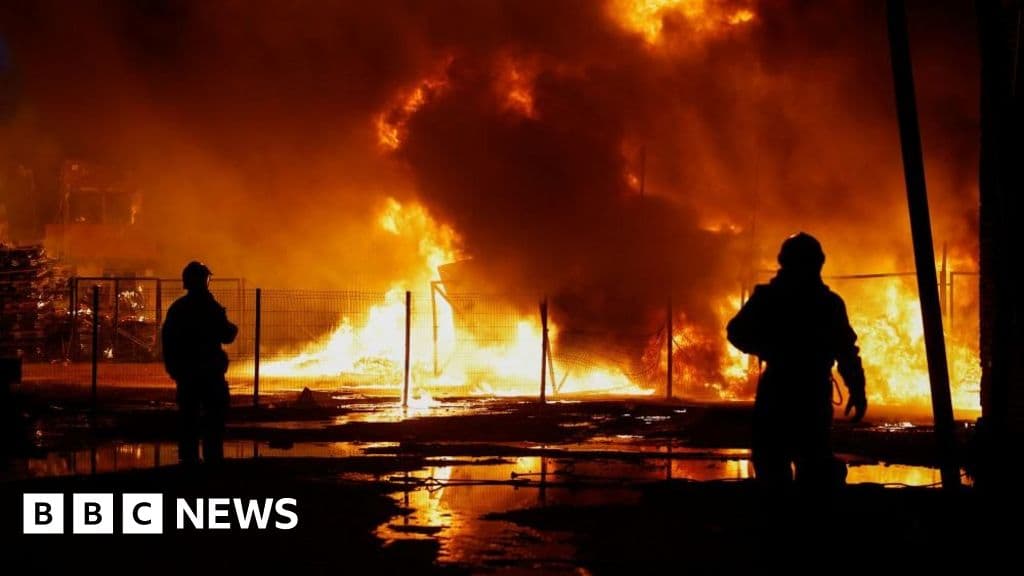
GlipzoIn a harrowing escalation of violence, Russia launched an unprecedented aerial offensive against Ukraine on Thursday, unleashing more than 700 drones and missiles in a relentless assault that has resulted in at least 18 fatalities. This devastating attack marks the deadliest incident in recent months, with casualties reported across multiple cities, including the southern port city of Odesa, the central city of Dnipro, and the capital, Kyiv.
The assault began around 02:30 local time (23:30 GMT Wednesday), when warning sirens pierced the night. Eyewitness accounts describe a night illuminated by bright orange flames and thick plumes of black smoke rising from central Kyiv. In one shocking instance, a drone was seen crashing into an apartment building, causing widespread destruction.
Kyiv Mayor Vitali Klitschko took to social media to announce that among the deceased was a 12-year-old boy. The attack inflicted injuries on 45 individuals, including emergency medical personnel who were responding to the crisis. Rescuers managed to save a mother and her child from the wreckage of a 16-storey residential structure that collapsed in the Podil district of the city.
As the assault unfolded, Odesa reported nine deaths, while Dnipro confirmed that five lives were lost in its vicinity. Oleksandr Ganzha, the regional head for Dnipro, initially reported four casualties, but the city's mayor, Borys Filatov, later announced the discovery of another body, raising the total. In Kharkiv, drone strikes injured a 77-year-old woman and a 66-year-old man, further underscoring the widespread impact of these attacks.
Significantly, two cities in southern Ukraine, Mykolaiv and Kherson, have been left without power due to the strikes, impacting daily life and emergency response capabilities.
The Ukrainian Air Force reported that, within a 24-hour period, 659 drones and 44 cruise and ballistic missiles were launched. They successfully intercepted 636 drones and 31 missiles, but direct strikes hit 26 locations, highlighting the ongoing threat posed by Russian aerial capabilities.
In the wake of this brutal offensive, Ukrainian President Volodymyr Zelensky condemned the attacks, emphasizing the urgent need for continued sanctions against Russia. In a post on X, he stated, "Russia is betting on war, and that is exactly how the response should be – we must protect lives with all our might and press for peace with all our might as well."
Zelensky also warned of a critical shortage of Patriot air defense missiles, which are vital for intercepting Russian ballistic missiles. The limited global stockpile of these U.S.-made missiles has been further strained due to their diversion to the Middle East, particularly following U.S. military actions against Iran.
Ukrainian Foreign Minister Andrii Sybiha called the latest Russian assault a clear war crime, urging international allies to ramp up pressure on Moscow and bolster support for Ukraine. In a poignant message on X, he insisted, "All decisions required to increase pressure on the aggressor must be unblocked now," alluding to necessary sanctions aimed at Russia.
As Ukraine grapples with the fallout from this latest attack, there is an urgent plea for a €90 billion ($106 billion; £78 billion) loan from the European Union. This funding is crucial for both defense needs and economic stability. The political landscape in Hungary has shifted recently with the ousting of Viktor Orbán, a key opponent of the aid package, creating a potential pathway for the funds to be released.
In a broader context, the war in Ukraine has now entered its fifth year, marked by a series of stalled peace negotiations. The U.S. has played a mediating role, but the process has faltered, especially since former President Donald Trump redirected focus towards conflicts in the Middle East.
Ukraine has consistently advocated for a full, stable ceasefire as a first step toward a comprehensive resolution to the ongoing conflict with Russia. As hostilities continue, the international community is left to ponder the next steps and the potential for renewed diplomatic efforts.
As the situation in Ukraine remains volatile, attention turns to how international allies will respond to the latest wave of aggression. With calls for increased military support and sanctions against Russia growing louder, the next few weeks will be critical in shaping the conflict's trajectory.
Key points to watch for include: - Potential military aid from Western nations to bolster Ukraine’s defenses, especially regarding air defense systems. - Responses from the European Union regarding financial aid and sanctions against Russia. - The development of peace negotiations, particularly if Ukraine’s calls for a ceasefire gain traction.
As both sides prepare for potential further escalations, the prospect of peace remains uncertain in the face of ongoing violence and loss of life. Ukraine’s resilience will be tested as it navigates the challenges ahead in its fight for sovereignty and security.
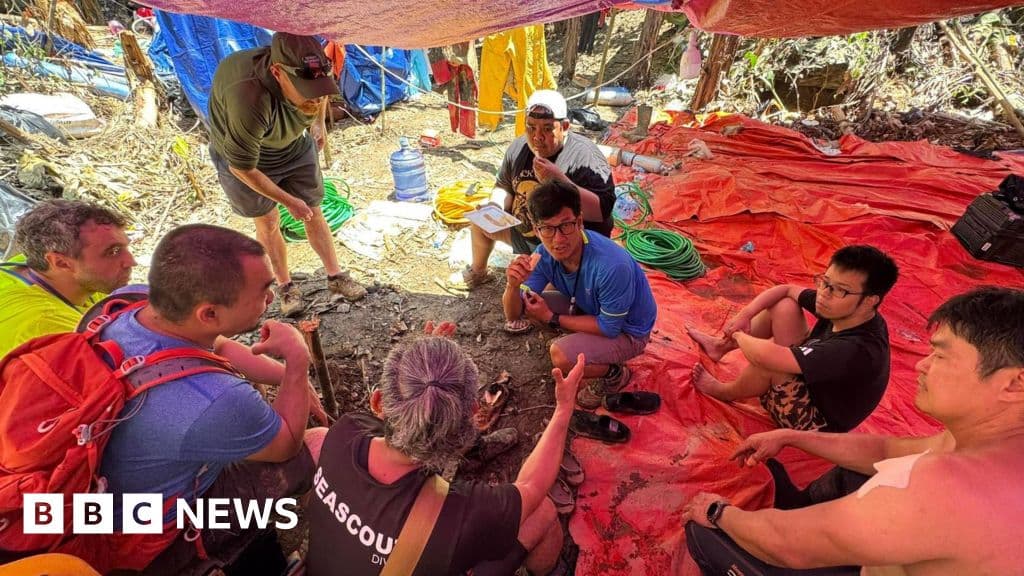
Survivors of the Laos cave rescue are aiding efforts to find the last two missing men trapped inside, sharing crucial insights for the search operation.
BBC World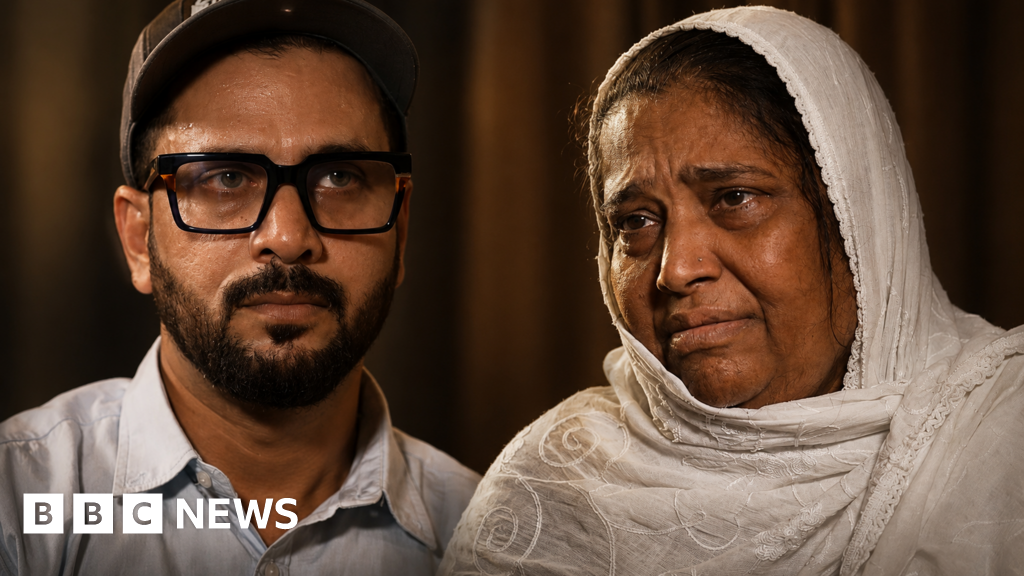
A year after the tragic Air India crash, the Ali family reflects on grief, unanswered questions, and the enduring bonds of love in the face of loss.
BBC Business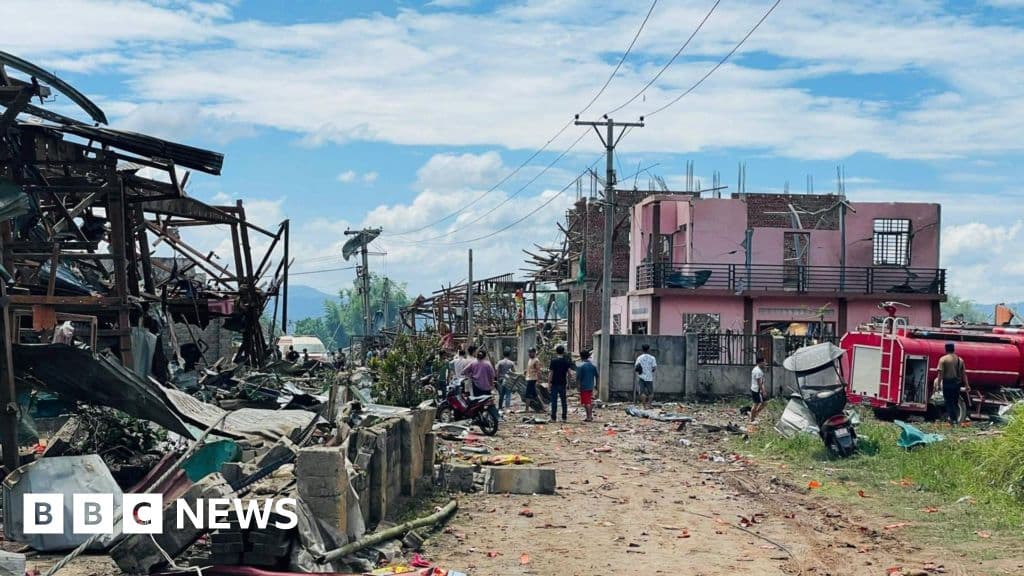
A devastating explosion in Myanmar's Kaung Tat village has killed at least 55 people, raising serious safety concerns and questions about civilian protection in conflict zones.
BBC World