
Glipzo
WorldTechnologyBusinessSportsEntertainmentScienceHealthPolitics
Glipzo
WorldTechnologyBusinessSportsEntertainmentScienceHealthPolitics
  1. Home
  2. /
  3. World
  4. /
  5. Shocking Accounts from Iran: War Threat Heightens Oppression
Shocking Accounts from Iran: War Threat Heightens Oppression

Image: BBC World

World
Monday, May 11, 20264 min read

Shocking Accounts from Iran: War Threat Heightens Oppression

Shirin's story reveals the trauma of living under repression in Iran as the threat of war intensifies. What does this mean for activists and the future of the country?

Glipzo News Desk|Source: BBC World
Share
Glipzo

Key Highlights

  • Shirin's PTSD reflects the trauma of political repression in Iran.
  • Over 50,000 activists arrested since the January protests.
  • Iranian police treat dissenters as 'enemies' of the state.
  • War has shifted perspectives on violence for Iranian activists.
  • The international community must respond to human rights abuses in Iran.

In this article

  • The Unfolding Crisis in Iran In the heart of **Tehran**, a stark reality looms over the lives of political activists like **Shirin**, whose name has been changed for her safety. As tensions rise and the threat of war becomes more palpable, Shirin finds herself trapped in a cycle of fear and trauma. With the ominous sounds of aircraft overhead and the constant worry about friends detained by the regime, her mental health deteriorates. Shirin's symptoms reflect the deep psychological scars left by years of oppression, leading to her diagnosis of **post-traumatic stress disorder**. In her own words, she describes the harrowing effects of anxiety and fear: "Whenever I hear a disturbing sound, my body reacts involuntarily. The psychological pressure that entered my mind has numbed this part of my left hand. It doesn't work."
  • The Impact of Repression on Activists The atmosphere of terror is exacerbated by state-sponsored intimidation tactics. Shirin recalls the moment when she was **arrested** in 2024 after the protests ignited by the death of **Mahsa Amini**, a young woman who lost her life while in custody, sparking widespread outrage. During that fateful day, as she spoke with her mother about mundane daily tasks, armed agents confronted her, marking the beginning of her nightmare. "I said 'yes.' I told my mother I would call her back later and hung up," she recounts, highlighting the abrupt transition from normalcy to fear.
  • Dangers of Speaking Out Shirin's struggle is emblematic of a broader trend in Iran, where the regime has increasingly cracked down on dissent since the onset of the war in February. A senior police commander, **Ahmadreza Radan**, has made it clear that any individual protesting will be treated as an enemy. This level of hostility towards citizens underscores the dire situation activists face in their fight against oppression.
  • The Broader Context of Repression The intersection of political repression and the threat of war creates a complex landscape for individuals like Shirin. The **Iranian regime** employs fear tactics, not just to silence critics but to maintain a facade of control amid growing discontent. Activists are often left feeling helpless as they witness state violence escalate unchecked. Based on the accounts of those in Tehran, the streets once alive with protests now feel abandoned, as fear grips the populace.
  • Why This Matters The situation in Iran is not just a local issue; it has implications for global peace and stability. As tensions rise, the international community must consider how to engage with a regime that appears increasingly willing to escalate violence against its own citizens. The stories of activists like Shirin not only highlight the personal toll of repression but also serve as a call to action for greater awareness and advocacy for human rights.

The Unfolding Crisis in Iran In the heart of **Tehran**, a stark reality looms over the lives of political activists like **Shirin**, whose name has been changed for her safety. As tensions rise and the threat of war becomes more palpable, Shirin finds herself trapped in a cycle of fear and trauma. With the ominous sounds of aircraft overhead and the constant worry about friends detained by the regime, her mental health deteriorates. Shirin's symptoms reflect the deep psychological scars left by years of oppression, leading to her diagnosis of **post-traumatic stress disorder**. In her own words, she describes the harrowing effects of anxiety and fear: "Whenever I hear a disturbing sound, my body reacts involuntarily. The psychological pressure that entered my mind has numbed this part of my left hand. It doesn't work."

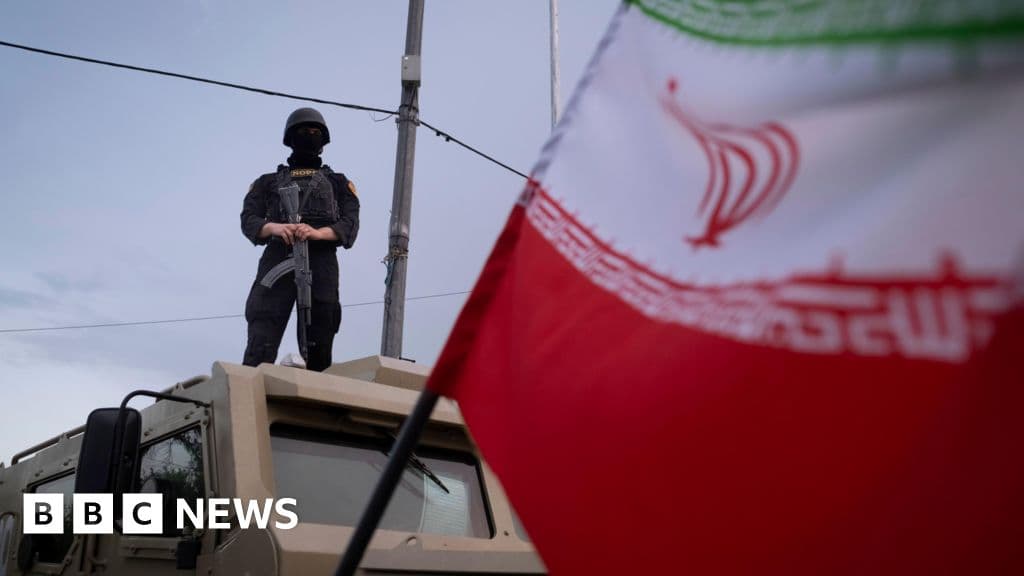
Shirin’s experience is not isolated; it mirrors the sentiments of many Iranians living under the oppressive rule of an authoritarian regime. The regime’s show of strength includes military parades featuring women driving jeeps armed with heavy weaponry, sending a clear message about their resolve to maintain control through fear.

The Impact of Repression on Activists The atmosphere of terror is exacerbated by state-sponsored intimidation tactics. Shirin recalls the moment when she was **arrested** in 2024 after the protests ignited by the death of **Mahsa Amini**, a young woman who lost her life while in custody, sparking widespread outrage. During that fateful day, as she spoke with her mother about mundane daily tasks, armed agents confronted her, marking the beginning of her nightmare. "I said 'yes.' I told my mother I would call her back later and hung up," she recounts, highlighting the abrupt transition from normalcy to fear.

The interrogation she endured was a stark reminder of the regime's ruthless approach toward dissenters. Shirin was forced to agree to a gag order, promising silence for two months under threat of solitary confinement. As conditions worsen, she reflects on how the current climate of repression has escalated. Human Rights Watch reports that over 50,000 individuals have been arrested since the protests began, with many facing torture and abuse.

Dangers of Speaking Out Shirin's struggle is emblematic of a broader trend in Iran, where the regime has increasingly cracked down on dissent since the onset of the war in February. A senior police commander, **Ahmadreza Radan**, has made it clear that any individual protesting will be treated as an enemy. This level of hostility towards citizens underscores the dire situation activists face in their fight against oppression.

Despite the risks, Shirin maintains her stance against the regime. However, the implications of war have shifted her perspective. While she initially felt a sense of satisfaction when regime soldiers were killed, the death of innocent civilians deeply affected her. "I fell apart — especially when I saw they had hit a half-finished, newly built building by the side of the street, and 25 people died in it. A one-year-old child lost his mother. That affected me deeply," she lamented, showcasing the human cost of conflict.

The Broader Context of Repression The intersection of political repression and the threat of war creates a complex landscape for individuals like Shirin. The **Iranian regime** employs fear tactics, not just to silence critics but to maintain a facade of control amid growing discontent. Activists are often left feeling helpless as they witness state violence escalate unchecked. Based on the accounts of those in Tehran, the streets once alive with protests now feel abandoned, as fear grips the populace.

The current atmosphere in Iran serves as a grim reminder of the lengths to which authoritarian regimes will go to suppress dissent. With credible reports of torture and human rights violations, the international community is compelled to pay closer attention to Iran's internal dynamics.

Why This Matters The situation in Iran is not just a local issue; it has implications for global peace and stability. As tensions rise, the international community must consider how to engage with a regime that appears increasingly willing to escalate violence against its own citizens. The stories of activists like Shirin not only highlight the personal toll of repression but also serve as a call to action for greater awareness and advocacy for human rights.

With the ongoing war and the regime's brutal crackdown, the future for activists and ordinary citizens remains uncertain. The world must stand in solidarity with those fighting for freedom and justice, as their resilience will determine the path forward. Keep an eye on the developments coming from Iran, as they will likely influence regional dynamics and international relations in the months to come.
Did you find this article useful? Share it!

Share

Related Articles

Laos Cave Survivors Assist in Search for Last Two Missing Men
World
Jun 1, 2026

Laos Cave Survivors Assist in Search for Last Two Missing Men

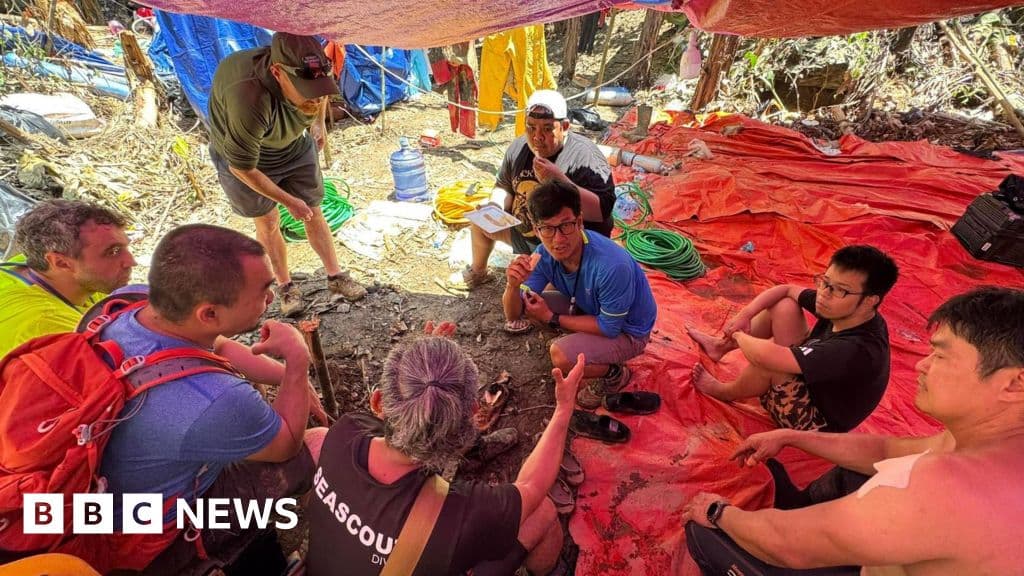
Survivors of the Laos cave rescue are aiding efforts to find the last two missing men trapped inside, sharing crucial insights for the search operation.

BBC World
Unraveling Grief: One Year After the Air India Crash
World
Jun 1, 2026

Unraveling Grief: One Year After the Air India Crash

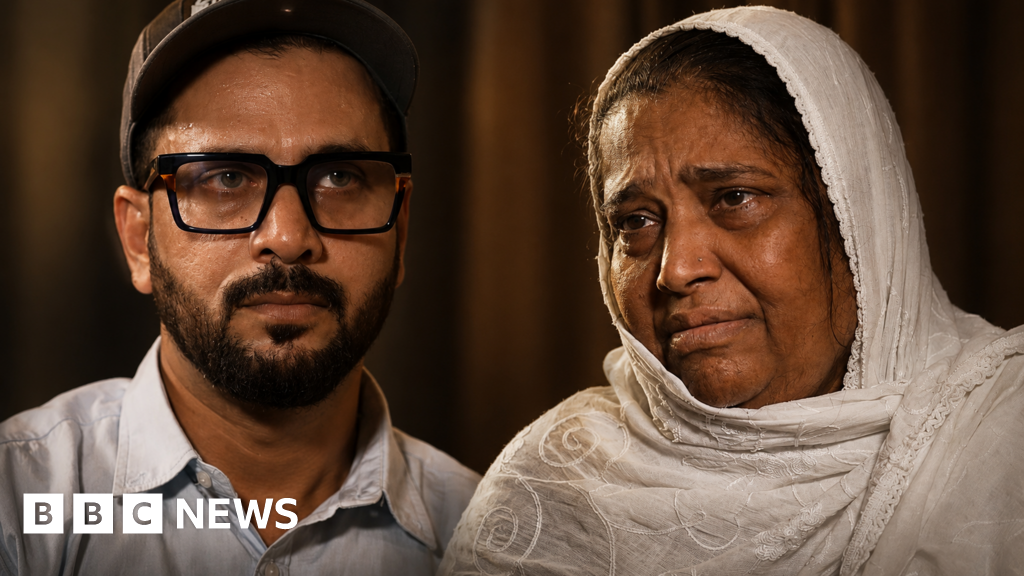
A year after the tragic Air India crash, the Ali family reflects on grief, unanswered questions, and the enduring bonds of love in the face of loss.

BBC Business
Tragic Explosion Claims 55 Lives in Myanmar Village
World
Jun 1, 2026

Tragic Explosion Claims 55 Lives in Myanmar Village

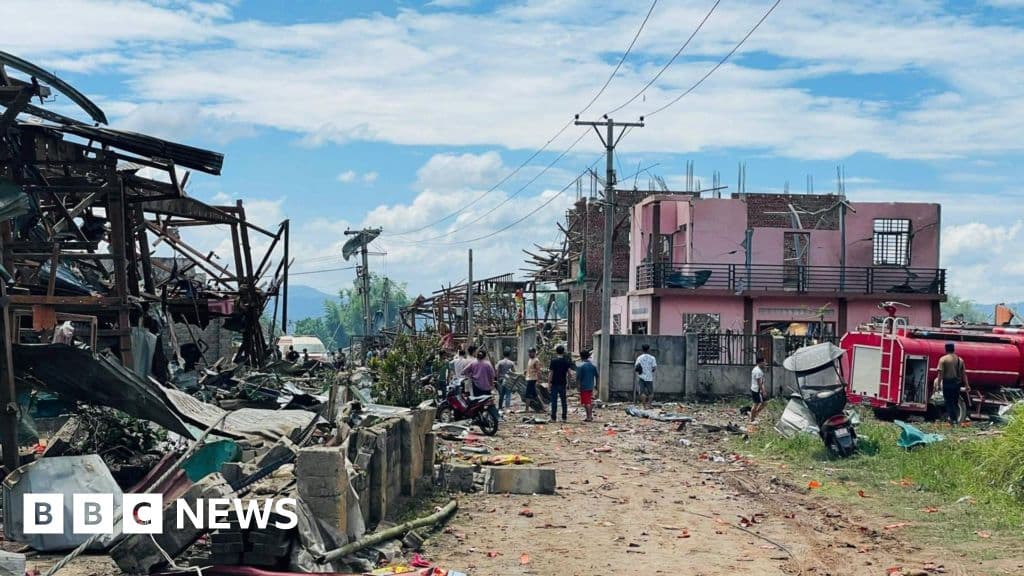
A devastating explosion in Myanmar's Kaung Tat village has killed at least 55 people, raising serious safety concerns and questions about civilian protection in conflict zones.

BBC World

Categories

  • World
  • Technology
  • Business
  • Sports

More

  • Entertainment
  • Science
  • Health
  • Politics

Explore

  • Web Stories
  • About Us
  • Contact

Legal

  • Privacy Policy
  • Terms of Service
  • Disclaimer

© 2026 Glipzo. All rights reserved.