
Image: BBC Business
Shell's profits soar to $6.92 billion amid rising oil prices due to the Iran conflict. What does this mean for energy consumers and the market?
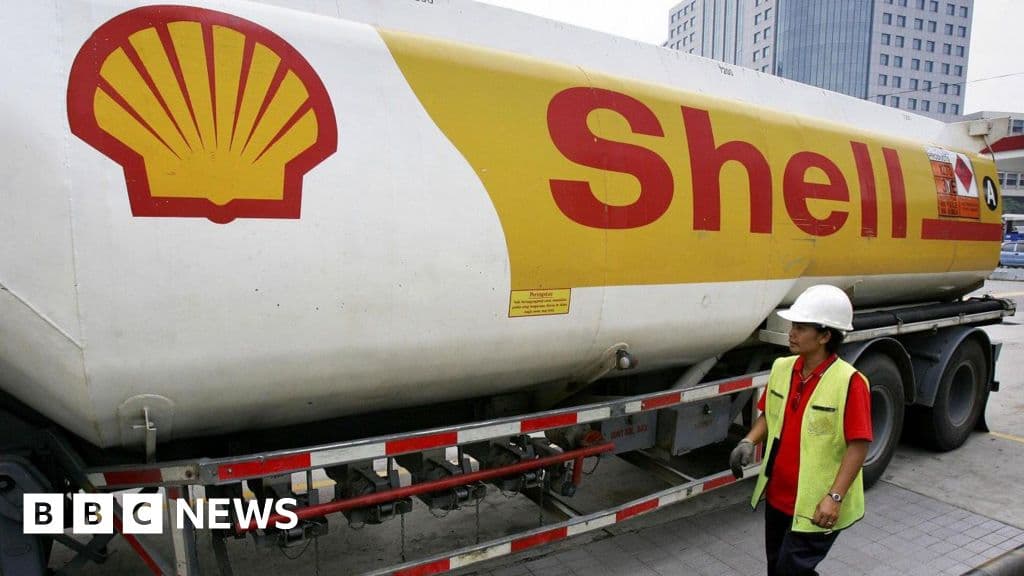
GlipzoIn a striking reflection of the current geopolitical climate, Shell has reported a substantial profit increase as global oil prices continue to escalate due to the ongoing war in Iran. For the first quarter of the year, the energy giant posted profits of $6.92 billion (£5.1 billion), surpassing analysts' expectations and marking a rise from $5.58 billion during the same period last year. This latest financial result underscores the significant impact that the current conflict is having on the global energy market.
The surge in oil prices can be traced back to the U.S.-Israel conflict with Iran, which has led to the effective closure of the Strait of Hormuz. This vital waterway is responsible for transporting nearly 20% of the world's oil and liquid natural gas (LNG). The growing tensions have created a volatile environment, pushing oil prices to new heights, with Brent crude previously at around $73 a barrel skyrocketing above $120 at one point before experiencing fluctuations below $100. Such volatility has opened doors for traders to capitalize on the widening gap between buying and selling prices, resulting in significant profits for energy companies.
In addition to Shell, rival firms are also reaping the benefits. BP announced that its profits for the same quarter more than doubled, while Equinor, the Norwegian energy company, reported a remarkable profit of $9.77 billion, its highest in three years. These results paint a broader picture of how energy companies are navigating the challenges posed by geopolitical unrest.
Wael Sawan, Shell's CEO, commented on the company's performance, stating, "Shell delivered strong results enabled by our relentless focus on operational performance in a quarter marked by unprecedented disruption in global energy markets." He emphasized that the safety of their workforce remains a priority as they collaborate with governments and customers to meet energy demands.
Much of Shell's profit increase can be attributed to improved results from its oil trading operations. As the conflict continues, the complexities of the global oil supply chain have made trading more lucrative, benefiting companies like Shell that are well-positioned in the market.
Despite the impressive profit figures, Shell reported a 4% decline in oil and gas output compared to the previous quarter. This decrease is largely due to the ongoing conflict, which has severely impacted its operations in Qatar. Production at Shell's LNG facilities has been halted since early March, and their Pearl GTL site has faced damage from recent attacks.
In a strategic move to bolster its portfolio, Shell recently announced the acquisition of ARC Resources, a Canadian shale producer, for $16.4 billion. Sawan noted that this acquisition will provide value for years to come, reflecting Shell's commitment to adapting to the evolving energy landscape.
The windfall profits reported by Shell and other energy companies have not gone unnoticed, especially by environmental advocates. Danny Gross, a climate campaigner with Friends of the Earth, expressed concern, stating, "Once again, fossil fuel giants are pocketing monstrous profits while drivers are being squeezed at the petrol pump and households are set to pay higher energy bills."
Gross emphasized the need for a strengthened windfall tax on these excessive profits and called for a transition towards renewable energy sources to reduce reliance on fossil fuels. The Energy Profits Levy, introduced in the UK in 2022, has been a response to soaring profits from oil and gas extraction following Russia's invasion of Ukraine. However, this levy applies only to UK-extracted oil and gas, while the majority of Shell's earnings come from international operations.
Currently, gas and electricity bills for UK households are safeguarded by an energy price cap, pegged at £1,641 for dual-fuel households paying via direct debit until the end of June. However, with the recent spike in wholesale oil and gas prices due to the Iran conflict, it is anticipated that the cap could rise by approximately £200 in the upcoming July revision.
Meanwhile, other sectors are feeling the pinch as well. Vincent Clerc, CEO of Maersk, indicated that the company is passing on rising energy costs to its customers, reflecting the far-reaching implications of the ongoing war on the broader economy.
As the situation in Iran continues to evolve, the energy sector remains on high alert. Investors and consumers alike should keep an eye on oil price trends and their potential impacts on global markets. The ongoing fluctuations may lead to further adjustments in energy policies and pricing structures.
Moreover, the growing criticism of fossil fuel profits may prompt governments to reconsider windfall tax policies and push for a faster transition to renewable energy sources. With climate change firmly on the global agenda, the balance between energy needs and environmental responsibility will shape discussions in both political and economic spheres in the coming months.
In conclusion, Shell's impressive profit surge is a testament to the complexities of the current energy landscape, influenced heavily by geopolitical strife, trading dynamics, and environmental accountability. As the world watches, the energy sector's response will be pivotal in navigating the challenges ahead.
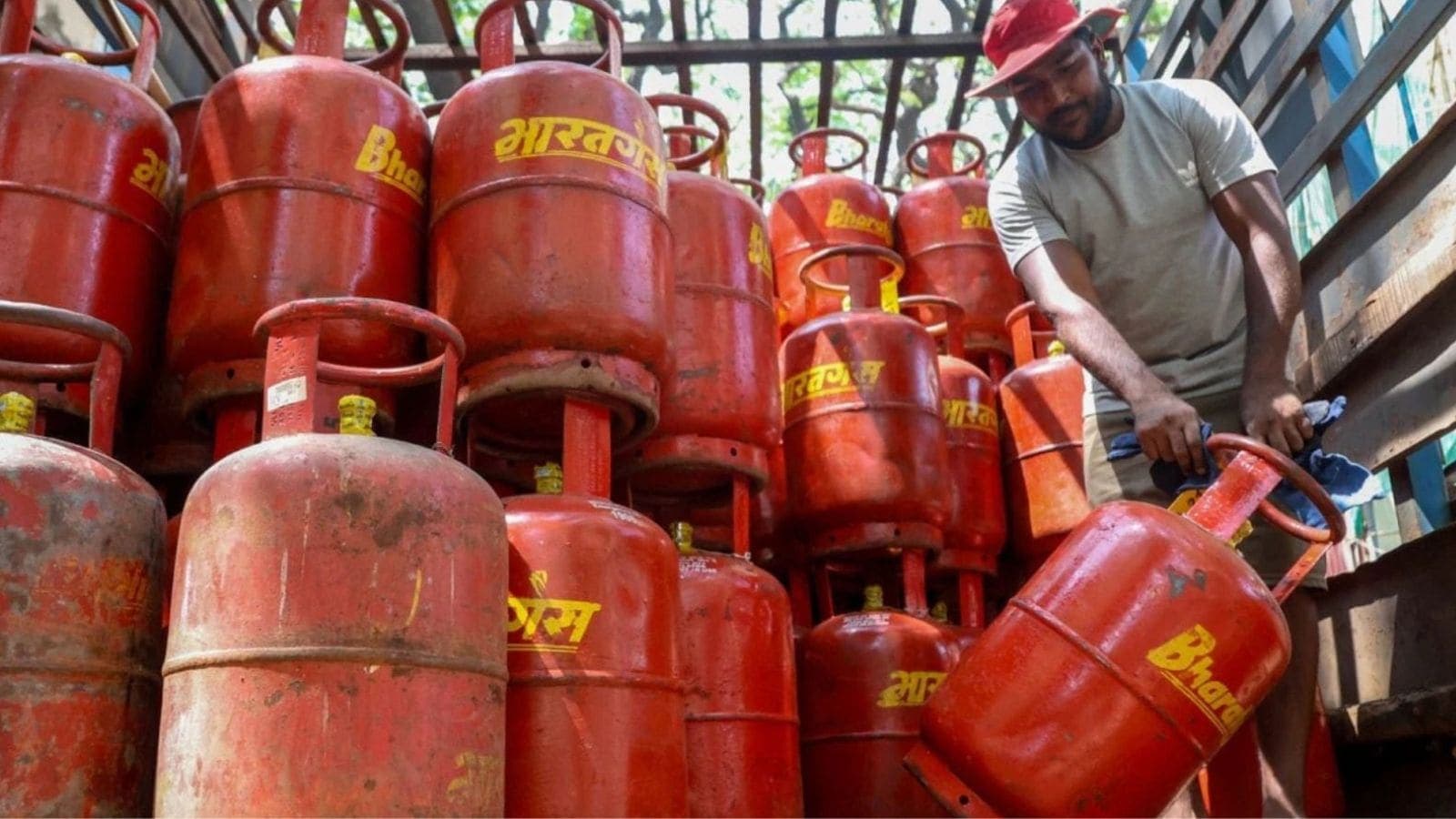
Commercial LPG prices have risen again, with increases of ₹42 in Delhi and ₹53.50 in Kolkata impacting businesses and consumers alike. Find out more.
Indian Express
Discover how a tragic coal mine explosion in Shanxi, China, reveals ongoing safety concerns in the industry amidst a push for green energy.
BBC Business
Montek Singh Ahluwalia highlights key economic challenges for India, emphasizing the need for a strategic approach to balance payments and investment.
Indian Express