

Image: The Hindu
Residents of Arulavadi village are on edge after a sheep was found mutilated, raising fears of wild animal attacks amid recent leopard sightings. What will happen next?
GlipzoResidents of Arulavadi village in the Thalavadi hills are on high alert following the shocking discovery of a mutilated sheep on March 21, 2026. This unsettling event took place in the morning, leaving the community rattled and raising concerns about potential wild animal attacks.
The sheep was found in an open area, its body severely torn. Such gruesome findings are all too alarming for the villagers, who depend heavily on agriculture and livestock for their livelihoods. The incident has triggered fears that a wild predator could be on the prowl, particularly with recent reports of leopard sightings in the area.
Upon discovering the carcass, the villagers promptly notified the Forest Department, hoping for swift action. Local authorities have been alerted to the situation, as residents fear that this could be the beginning of a series of attacks on livestock. The proximity of Arulavadi to expansive forested regions only adds to the urgency of addressing wildlife safety in the area.
Villagers have expressed their concerns, underscoring that the presence of wild animals poses a significant threat not only to their livestock but also to their safety. The community, predominantly engaged in farming and animal husbandry, has always coexisted with nature, but incidents like these test their resilience and adaptability.
As more agricultural lands encroach upon wildlife habitats, conflicts between humans and animals are becoming increasingly common. The situation in Thalavadi is a stark reminder of these tensions.
The incident in Arulavadi highlights a critical issue facing rural communities worldwide: the delicate balance between wildlife conservation and agricultural development. As human populations expand, it is essential to find sustainable solutions that address both the needs of humans and the protection of wildlife.
The Forest Department is expected to conduct a thorough investigation into the recent sheep mutilation. They may also implement a monitoring system to track wild animal movements in order to mitigate future risks.
As the villagers await further action from authorities, several strategies could be considered to enhance safety and manage wildlife encounters: - Engagement with Wildlife Experts: Collaborating with wildlife conservationists can help locals understand animal behavior and learn safe practices to reduce conflicts. - Community Awareness Programs: Educating residents about recognizing signs of wildlife presence and knowing how to respond can empower them to take proactive measures. - Developing Wildlife Corridors: Ensuring that animals have safe paths can help reduce their encroachment into human settlements, thereby minimizing conflict.
The community of Arulavadi stands at a crossroads. The outcome of this incident may pave the way for more robust wildlife management policies and community engagement in the region. As they navigate this challenge, the villagers remain hopeful for a resolution that ensures their safety and the preservation of their way of life.
In conclusion, as authorities respond to the incident and the villagers adapt to potential threats, the situation in Thalavadi serves as a reminder of the ongoing challenges faced by agricultural communities in coexistence with wildlife.
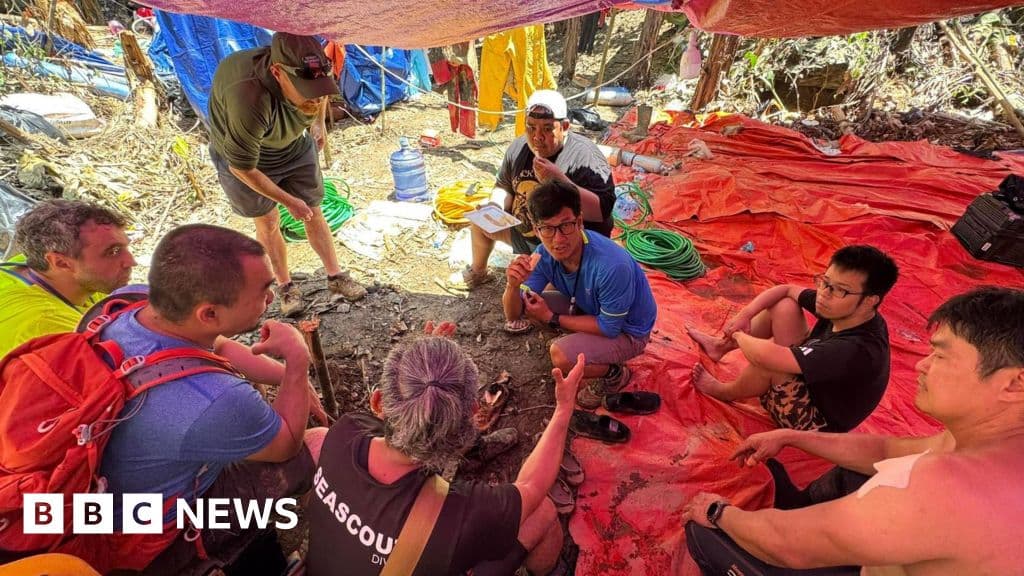
Survivors of the Laos cave rescue are aiding efforts to find the last two missing men trapped inside, sharing crucial insights for the search operation.
BBC World
A year after the tragic Air India crash, the Ali family reflects on grief, unanswered questions, and the enduring bonds of love in the face of loss.
BBC Business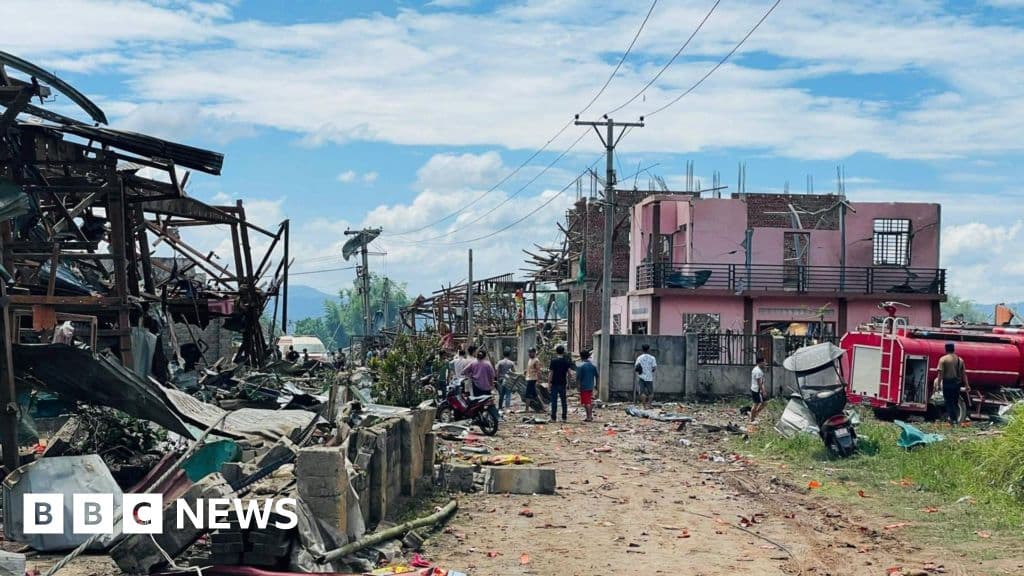
A devastating explosion in Myanmar's Kaung Tat village has killed at least 55 people, raising serious safety concerns and questions about civilian protection in conflict zones.
BBC World