Glipzo
WorldTechnologyBusinessSportsEntertainmentScienceHealthPolitics
Glipzo
WorldTechnologyBusinessSportsEntertainmentScienceHealthPolitics
  1. Home
  2. /
  3. Business
  4. /
  5. Sharply Falling Stocks: What Investors Should Know Now
Sharply Falling Stocks: What Investors Should Know Now

Image: Times of India

Business
Saturday, March 21, 20264 min read

Sharply Falling Stocks: What Investors Should Know Now

Stocks on Dalal Street plummet amid rising tensions in Iran. Discover expert strategies for navigating this turbulent market landscape.

Glipzo News Desk|Source: Times of India
Share
Glipzo

Key Highlights

  • Dalal Street sees a **3% drop** amid Iran tensions
  • Experts recommend **portfolio diversification** for investors
  • Market volatility linked to **global oil supply concerns**
  • Stay informed to mitigate risks during geopolitical crises

In this article

  • The Tumultuous Market Landscape Amid Rising Iran Tensions
  • Understanding the Market Reaction
  • Key Factors Influencing Market Behavior: - **Geopolitical Risks**: Increased tensions in the Middle East often lead to fluctuations in oil prices, which can impact the global economy. - **Investor Sentiment**: Fear and uncertainty can trigger mass sell-offs, exacerbating market declines. - **Economic Indicators**: Reports of inflation and economic slowdowns can compound existing fears, leading to further declines in stock prices.
  • Expert Opinions: What Should Investors Do?
  • Recommendations for Investors: - **Diversify Your Portfolio**: Spread investments across different sectors to reduce risk exposure. - **Stay Updated**: Monitor news related to geopolitical developments and economic indicators regularly. - **Consider Safe Havens**: Look into defensive stocks or commodities like gold, which often perform well in unstable environments. - **Avoid Panic Selling**: Emotional decisions can lead to significant losses. It’s important to think long-term.
  • Why This Matters for the Global Economy
  • Potential Outcomes to Watch For: - **Oil Price Fluctuations**: With tensions high, expect volatility in oil markets, which could further impact global economic conditions. - **Political Developments**: Any diplomatic resolutions or escalations will significantly affect market stability. - **Economic Indicators**: Pay attention to inflation rates and economic growth forecasts, as these will inform investment strategies moving forward.
  • Conclusion: Navigating Through Turbulent Waters
  • What to Keep an Eye On: - Developments in Iran and their implications for global oil supply - Market reactions to economic indicators and geopolitical news - Long-term investment opportunities emerging from market volatility

The Tumultuous Market Landscape Amid Rising Iran Tensions

A significant downturn has been observed on India's Dalal Street, triggered by escalating tensions in Iran. Investors are grappling with uncertainty as geopolitical tensions rise, leading to a massive sell-off in various sectors. As of this week, the benchmark Nifty 50 has dropped significantly, reflecting a broader market response to the unfolding crisis.

The situation escalated when Iran's nuclear ambitions and regional conflicts drew international scrutiny. This has not only raised concerns about global oil supplies but has also heightened fears of economic instability. The market's response has been swift, with analysts warning that the volatility may persist as long as the geopolitical situation remains unresolved.

Understanding the Market Reaction

When geopolitical concerns arise, markets often react negatively, and this instance is no exception. The Nifty 50 index has witnessed a decline of over 3% this week alone, leading many to question the stability of their investments. The financial sector, technology stocks, and commodities have all felt the brunt of this volatility, prompting a reevaluation of investment strategies.

Key Factors Influencing Market Behavior: - **Geopolitical Risks**: Increased tensions in the Middle East often lead to fluctuations in oil prices, which can impact the global economy. - **Investor Sentiment**: Fear and uncertainty can trigger mass sell-offs, exacerbating market declines. - **Economic Indicators**: Reports of inflation and economic slowdowns can compound existing fears, leading to further declines in stock prices.

Expert Opinions: What Should Investors Do?

Market analysts suggest that caution is the best approach during these turbulent times. According to financial expert Neha Sharma, "Investors should consider diversifying their portfolios to mitigate risks associated with geopolitical uncertainties." It’s crucial to stay informed and flexible during such unpredictable periods.

Recommendations for Investors: - **Diversify Your Portfolio**: Spread investments across different sectors to reduce risk exposure. - **Stay Updated**: Monitor news related to geopolitical developments and economic indicators regularly. - **Consider Safe Havens**: Look into defensive stocks or commodities like gold, which often perform well in unstable environments. - **Avoid Panic Selling**: Emotional decisions can lead to significant losses. It’s important to think long-term.

Why This Matters for the Global Economy

The ripple effects of the current tensions in Iran extend beyond Indian markets. As a key player in the global oil supply, any disruption in Iran can lead to increased oil prices worldwide, influencing economies far and wide. Investors globally are watching closely, as rising oil prices could lead to inflationary pressures, impacting consumer spending and overall economic growth.

Potential Outcomes to Watch For: - **Oil Price Fluctuations**: With tensions high, expect volatility in oil markets, which could further impact global economic conditions. - **Political Developments**: Any diplomatic resolutions or escalations will significantly affect market stability. - **Economic Indicators**: Pay attention to inflation rates and economic growth forecasts, as these will inform investment strategies moving forward.

Conclusion: Navigating Through Turbulent Waters

As the situation in Iran continues to evolve, investors must remain vigilant and adaptable. The current market turbulence presents both challenges and opportunities. Those who can navigate the complexities of this environment may find that patience and strategic planning can yield favorable outcomes in the long run.

In summary, while the immediate future may seem daunting, informed investors who take proactive steps can mitigate risks and position themselves for potential recovery as the geopolitical climate stabilizes. Regularly reviewing investment strategies and staying informed about global events will be key in the coming weeks and months.
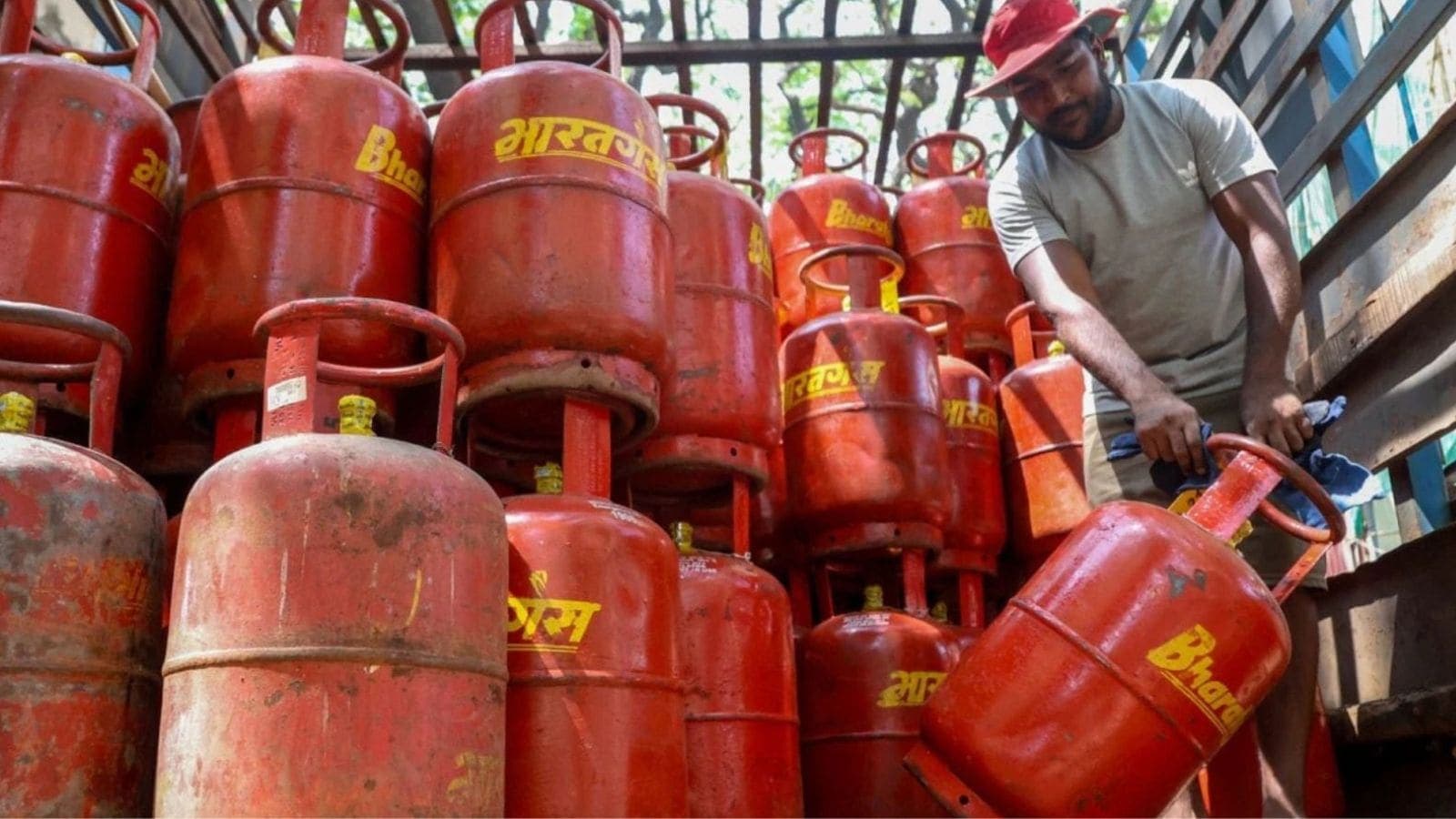
What to Keep an Eye On: - Developments in Iran and their implications for global oil supply - Market reactions to economic indicators and geopolitical news - Long-term investment opportunities emerging from market volatility

Did you find this article useful? Share it!

Share

Related Articles

UK Fuel Prices Drop After Weeks of Increases Amid Crisis
Business
Apr 18, 2026

UK Fuel Prices Drop After Weeks of Increases Amid Crisis

UK fuel prices finally dip after weeks of increases tied to the US-Israel war. What does this mean for drivers? Read on to find out more!

BBC Business
Oil Prices Dive as Iran Declares Strait of Hormuz 'Open'
Business
Apr 18, 2026

Oil Prices Dive as Iran Declares Strait of Hormuz 'Open'

Oil prices dropped sharply after Iran stated the Strait of Hormuz is open for commercial traffic during the ceasefire in the US-Israel conflict.

BBC Business
Major Mortgage Rate Cuts Offer Hope Amid Iran War Fallout
Business
Apr 18, 2026

Major Mortgage Rate Cuts Offer Hope Amid Iran War Fallout

Major mortgage lenders are cutting rates, easing burdens for first-time buyers impacted by the Iran war. What does this mean for the housing market?

BBC Business

Categories

  • World
  • Technology
  • Business
  • Sports

More

  • Entertainment
  • Science
  • Health
  • Politics

Explore

  • Web Stories
  • About Us
  • Contact

Legal

  • Privacy Policy
  • Terms of Service

© 2026 Glipzo. All rights reserved.