

Image: Mint (Business)
Severe weather is wreaking havoc across the U.S., disrupting flights, causing power outages, and prompting emergency declarations. Stay informed!
GlipzoA severe and unpredictable weather system is currently wreaking havoc across the Midwest and Northeast of the United States, causing widespread disruptions to air travel and power supplies. Blizzards, wildfires, and thunderstorms are the main culprits as they march across the country, leaving thousands without power and hundreds of flights grounded.
As of Sunday, the National Weather Service issued blizzard warnings for regions stretching from South Dakota to Michigan’s Upper Peninsula. At the same time, high winds have been responsible for downed power lines and uprooted trees from Texas to upstate New York, while increasing the risk of wildfires across the Great Plains.
In response to the escalating situation, Nebraska Governor Jim Pillen declared a state of emergency and activated the National Guard to assist in firefighting efforts. The wildfires have already led to evacuations and devastated more than 500,000 acres of land.
The US Storm Prediction Center has warned that severe thunderstorms, along with the potential for tornadoes and hail, will extend from the central Mississippi Valley to the Mid-Atlantic on Monday. Areas including Washington D.C. and Richmond, Virginia are particularly at risk.
Bob Oravec, a senior forecaster at the US Weather Prediction Center, remarked, “All of a sudden, Mother Nature is having a fit.” This unpredictable weather has had far-reaching consequences, especially for transportation and energy supply across the Midwest. As heavy snow and frigid temperatures move into gas-dependent regions, fuel demands are expected to spike just days before the official start of spring.
By 6:15 a.m. on Sunday, more than 1,135 flights were canceled across the United States, predominantly affecting airports in Minneapolis and Chicago, according to data from FlightAware. In addition, over 165,000 homes and businesses were reported to be without power, particularly in Ohio, Pennsylvania, and Michigan, as reported by PowerOutage.com.
The situation is poised to worsen as high winds are expected to exacerbate the already precarious conditions. Oravec noted that in addition to the fire threats in Nebraska, Minnesota and Wisconsin have declared emergencies due to the accumulating snow. Minneapolis could see as much as 21 inches of snow, while some areas in Wisconsin and Michigan may face snow totals exceeding 30 inches. This severe weather system is expected to begin tapering off by Monday and Tuesday, but not before wreaking havoc on Monday morning commutes.
The National Weather Service cautioned that “travel could be very difficult to impossible” due to hazardous conditions. Michigan’s Upper Peninsula, which has already received a staggering 250 inches of snow this season, is particularly hard hit. Oravec humorously remarked, “I don’t know when it’s going to ever melt.”
In contrast, Chicago is expected to avoid the brunt of the snowstorm, with mainly rain and potentially just 1 inch of snow overnight. However, the city will face high winds later on Sunday.
While the Midwest grapples with severe winter weather, the West Coast is experiencing record-breaking heat. The island state of Hawaii has also been significantly impacted by heavy rains and flooding. Forecasts predict that through next Saturday, 444 daily high temperature records could be broken, primarily in regions west of the Mississippi River. The Southwest, particularly California, is currently under an extreme heat watch, with downtown Los Angeles predicted to reach a sweltering 101°F on Tuesday.
In Hawaii, nearly 70,000 homes and businesses lost power overnight, as reported by PowerOutage.com. Schools and government offices closed on Friday, and numerous roads have been rendered impassable due to flooding.
Oravec indicated that while the worst of the storm may be subsiding, the state remains ensnared in a deep moisture plume that will continue to bring heavy rain throughout the week. “It’s amazing how active it’s going to be across the US for the next few days,” he stated.
As the U.S. continues to experience extreme weather fluctuations, it is crucial to remain vigilant and prepared for additional impacts. The interplay of blizzards, wildfires, and heat waves illustrates the unpredictable nature of climate dynamics. As we head into the coming days and weeks, residents and officials alike should monitor updates on weather conditions and stay informed about potential travel disruptions.
The situation serves as a stark reminder of the broader implications of climate change and the need for ongoing discussions about readiness and resilience in the face of such unpredictable weather patterns. The focus must remain on ensuring public safety and restoring normalcy in the affected regions as quickly as possible.

Survivors of the Laos cave rescue are aiding efforts to find the last two missing men trapped inside, sharing crucial insights for the search operation.
BBC World
A year after the tragic Air India crash, the Ali family reflects on grief, unanswered questions, and the enduring bonds of love in the face of loss.
BBC Business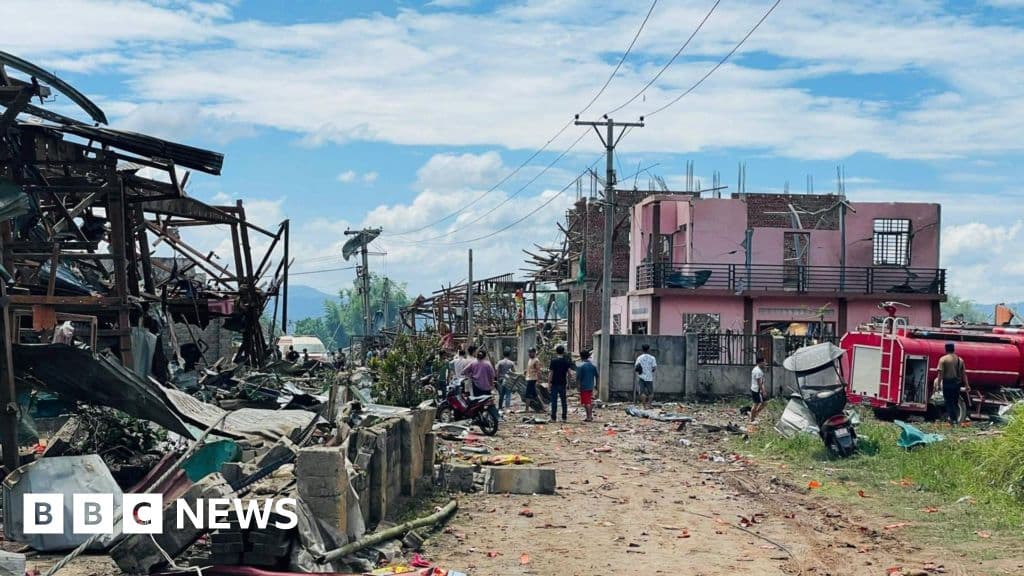
A devastating explosion in Myanmar's Kaung Tat village has killed at least 55 people, raising serious safety concerns and questions about civilian protection in conflict zones.
BBC World