
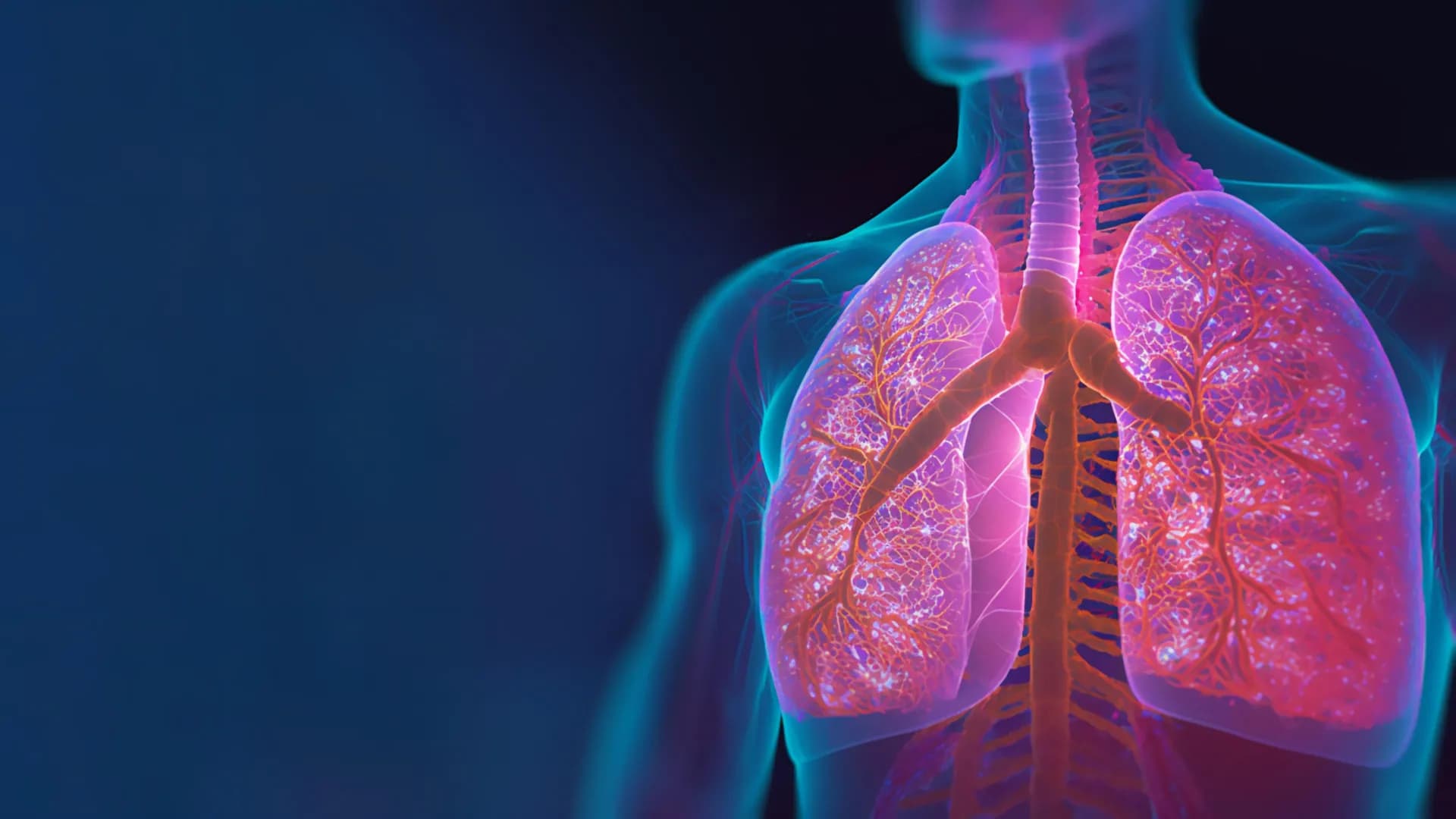
Image: Science Daily
New research links severe COVID-19 and flu to long-term lung cancer risk, emphasizing the importance of vaccination and patient monitoring.
GlipzoRecent research has unveiled a concerning connection between severe cases of COVID-19 and influenza and an increased risk of developing lung cancer years later. Conducted by scientists at the University of Virginia Health's Beirne B. Carter Center for Immunology Research and the UVA Comprehensive Cancer Center, this groundbreaking study highlights how serious viral infections can create a pro-tumor environment in the lungs, potentially leading to cancer development long after the initial illness has passed.
The study, led by Jie Sun, PhD, a prominent figure in the UVA School of Medicine, reveals that severe respiratory infections can fundamentally alter immune responses within the lungs. These changes may set the stage for tumor growth not just shortly after recovery, but also months or even years down the line. Physicians are now advised to keep a vigilant eye on patients who have survived severe cases of COVID, flu, or pneumonia, as early detection of lung cancer can significantly enhance treatment outcomes.
The implications of this research are profound. Jie Sun stated, "A bad case of COVID or flu can leave the lungs in a long-lasting 'inflamed' state that makes it easier for cancer to take hold later." This highlights the necessity for healthcare professionals to rethink their approach to post-viral care.
Among the key findings, the study revealed that severe lung infections not only increase the likelihood of lung cancer but also the risk of mortality associated with the disease. In laboratory mice, those who experienced severe respiratory infections showed a heightened susceptibility to developing lung cancer later in life. This pattern also emerged in human patients, where data indicated that individuals hospitalized for COVID-19 exhibited a 1.24-fold increase in lung cancer diagnoses compared to those without a history of severe infections.
The findings urge a reevaluation of how patients recovering from severe respiratory viral infections are monitored. According to Dr. Jeffrey Sturek, a co-author of the study, “These findings have important immediate implications for how we monitor patients after severe respiratory viral infection.” The study suggests that similar attention should be given to those with significant respiratory infections as is currently given to high-risk groups like smokers.
For high-risk patients, routine screening CT scans may become crucial for early lung cancer detection. Such proactive measures could change the landscape of lung cancer treatment and prevention.
The researchers conducted extensive experiments to understand the mechanisms by which severe infections increase cancer risk. They discovered that immune cells, specifically neutrophils and macrophages, undergo significant changes following severe respiratory infections.
In a healthy immune response, these cells protect the lungs from infections. However, after a severe infection, some neutrophils exhibited abnormal behavior, contributing to a persistent inflammatory state known as pro-tumor. This state creates an environment conducive to cancer growth, which is alarming given how prevalent respiratory viruses are.
Additionally, the study identified alterations in the epithelial cells that line the lungs, as well as the tiny air sacs crucial for respiration, further complicating the lung’s ability to heal and recover.
One of the most promising aspects of the research is the protective role of vaccination. The study found that prior vaccination against viruses like COVID-19 can significantly mitigate the harmful changes in lung structure and immune response associated with severe infections. By enhancing the immune system's response, vaccines can reduce the severity of respiratory illnesses, potentially preventing the long-term health complications linked to lung cancer.
The data indicate that individuals who experienced only mild infections did not show the increased cancer risk observed in those with severe COVID-19, reinforcing the importance of vaccination in safeguarding lung health and overall well-being.
As we navigate the ongoing challenges posed by COVID-19 and seasonal flu, this research emphasizes the need for continued vigilance regarding respiratory health. The findings suggest that public health strategies should include enhanced monitoring for lung cancer in individuals recovering from severe respiratory infections.
In the coming years, we may witness changes in how healthcare systems approach post-viral care, particularly for high-risk patients. This could lead to the implementation of routine screenings and preventive measures aimed at catching lung cancer early, ultimately saving lives.
As we continue to learn about the long-term effects of COVID-19 and flu, the importance of vaccination cannot be overstated. With ongoing research, we hope to uncover more insights that will aid in reducing the burden of lung cancer and improving patient outcomes.
The connection between severe respiratory infections and lung cancer is a critical area of study that warrants attention, as it could redefine patient monitoring and treatment protocols in the years to come.
Shocking findings from Nottingham's maternity unit reveal a toxic culture and alarming neglect. What can be done to improve care? Discover the details.
BBC Health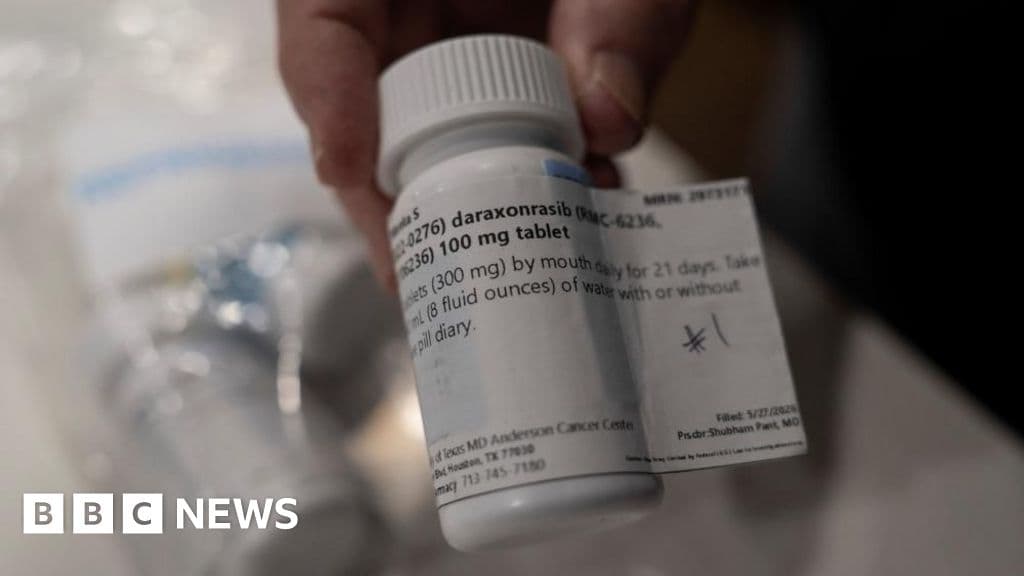
Discover how daraxonrasib, a new pill, is nearly doubling survival rates for pancreatic cancer patients, offering hope in a challenging battle against this deadly disease.
BBC Health
Waste companies propose a £5 deposit on vapes to encourage proper disposal and curb littering as the environmental impact of vapes increases.
BBC Business