
Image: BBC Business
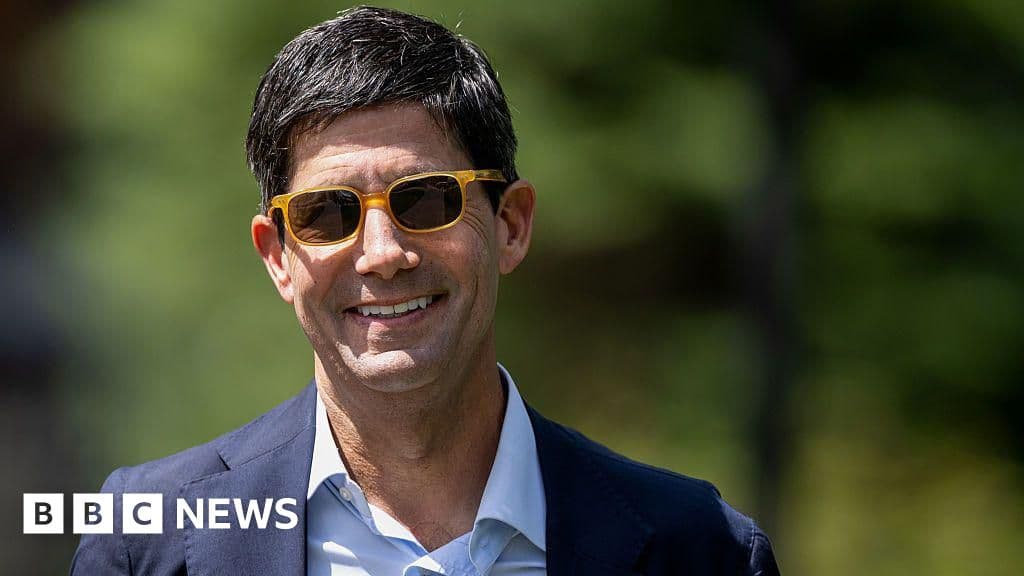
Kevin Warsh confirmed as Fed Chair in a narrow Senate vote. How will he navigate rising inflation and political pressure from Trump? Read more.
GlipzoIn a high-stakes vote on Wednesday, the U.S. Senate confirmed Kevin Warsh as the new chair of the Federal Reserve, marking a significant shift in monetary policy leadership. With a narrow margin of 54 votes for and 45 votes against, Warsh's confirmation is notable for being the closest Senate approval of a Fed chair since the process was formalized in 1977. His appointment comes at a tumultuous time, as the nation grapples with rising inflation and ongoing geopolitical tensions.
The confirmation vote was largely divided along party lines, with only one Democrat, Senator John Fetterman from Pennsylvania, supporting Warsh’s nomination. This stark division highlights the growing political polarization surrounding pivotal financial appointments. Warsh will succeed Jerome Powell, whose relationship with President Donald Trump was fraught with conflict over interest rate policies. Powell's term concludes this Friday, marking the end of a controversial chapter at the Fed.
Warsh's new role will not only involve overseeing the central bank's operations but also navigating the pressure from President Trump to implement lower interest rates. This demand arises amid the backdrop of the U.S.-Israel conflict and its implications for inflation, particularly rising energy prices. As the situation unfolds, Warsh must balance the expectations of the administration with the Fed's mandate to maintain economic stability.
Recent economic indicators reveal that inflation is a growing concern, with prices increasing by 3.8% annually as of April 2023—the fastest rate since May of the previous year. Key factors contributing to this inflationary trend include: - Surging energy costs, exacerbated by geopolitical tensions. - Increased prices for food, housing, and airfare.
Typically, in an inflationary environment, the Federal Reserve would consider raising interest rates to curb spending and stabilize prices. However, the current economic climate presents Warsh with a challenging dilemma. Economists widely anticipate that the Fed may maintain current rates or even consider increases as inflation persists. The closure of the Strait of Hormuz, a critical oil passage, has further complicated the situation, leading to increased oil prices that directly affect consumer costs.
During his confirmation hearing, Warsh emphasized his commitment to uphold the independence of the Federal Reserve, asserting that he would not be a mere extension of President Trump's policies. However, skepticism remains, particularly from Senator Elizabeth Warren, the ranking Democrat on the Senate Banking Committee. Warren labeled Warsh as “uniquely ill-suited” for the role, suggesting that his appointment is designed to serve Trump’s interests rather than the needs of the economy.
Warsh previously served as a Fed governor from 2006 to 2011, and he will now take over from Stephen Miran, who has been a vocal advocate for aggressive rate cuts. As Warsh transitions into his new role, he must navigate not only the expectations from the White House but also the complexities of a divided Federal Reserve Board.
Experts, including Carl Tobias, a law professor at the University of Richmond, have described Warsh's upcoming tenure as a “Mission Impossible.” With inflation “roaring” and Trump’s calls for lower interest rates becoming more insistent, Warsh will face significant challenges. The divided nature of the Fed, combined with the political pressures from the Trump administration, creates a precarious situation for the incoming chair.
The confirmation process itself reflects a broader trend of increasing politicization in the appointments of key executive branch officials, including U.S. attorneys and federal judges. Warsh's nomination is now on President Trump’s desk for final approval, adding another layer of complexity to an already tense economic landscape.
The implications of Warsh's appointment extend beyond party lines and economic indicators. As Warsh prepares to take the helm of the Federal Reserve, his decisions will directly impact the U.S. economy and, by extension, the financial well-being of millions of Americans. The intersection of politics and economic policy at such a critical juncture raises questions about the independence of the Federal Reserve and the effectiveness of its responses to inflation.
As Warsh steps into his role, all eyes will be on how he addresses the ongoing inflation crisis and responds to the president's demands. Key factors to watch include: - The potential for interest rate cuts despite rising inflation. - The Fed's approach to managing economic stability amid geopolitical uncertainties. - Warsh's ability to maintain the central bank's independence in the face of political pressure.
Ultimately, Warsh's leadership could set the tone for U.S. monetary policy in the coming years, influencing economic conditions and financial markets as the nation navigates these turbulent times.
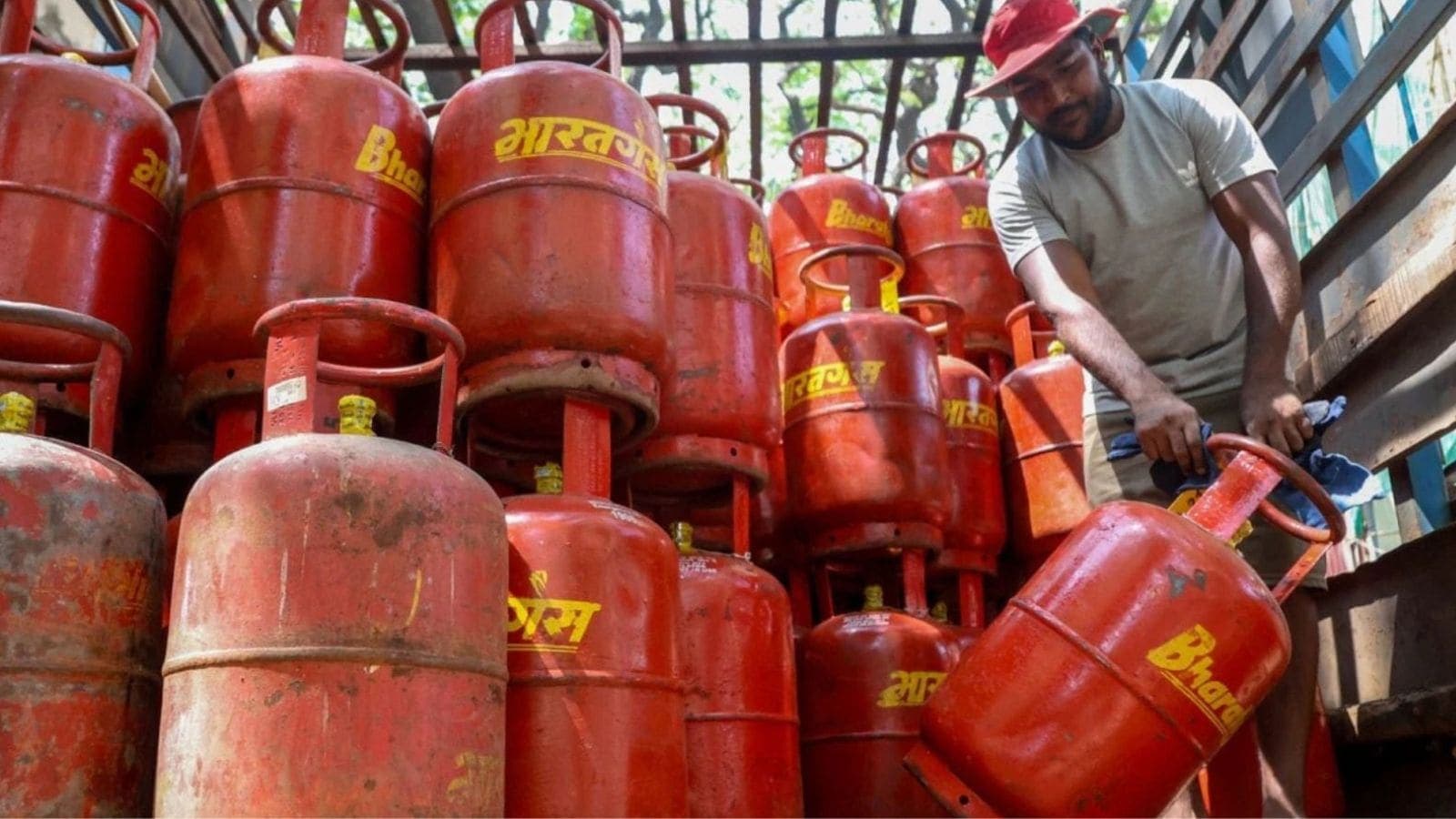
Commercial LPG prices have risen again, with increases of ₹42 in Delhi and ₹53.50 in Kolkata impacting businesses and consumers alike. Find out more.
Indian Express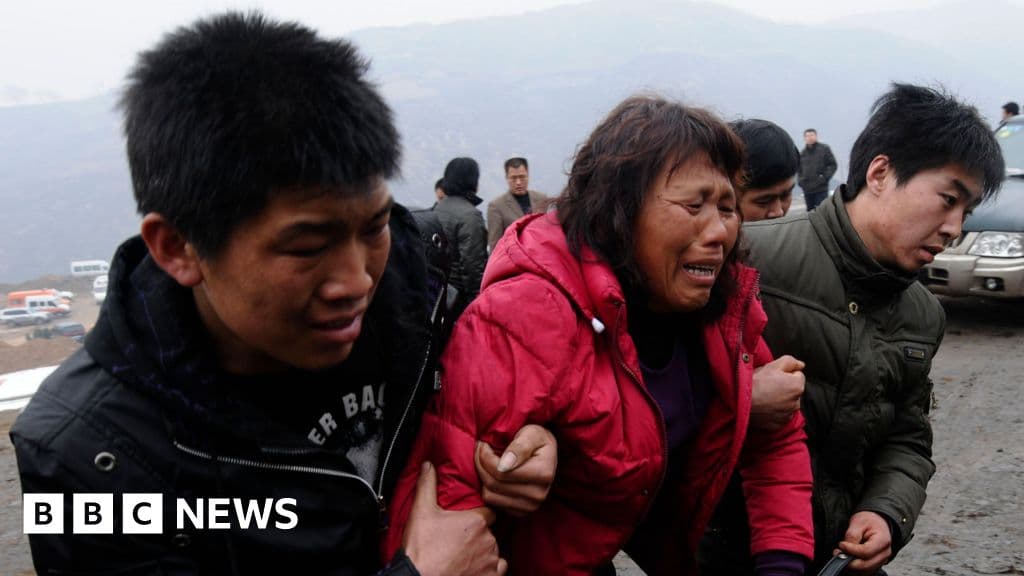
Discover how a tragic coal mine explosion in Shanxi, China, reveals ongoing safety concerns in the industry amidst a push for green energy.
BBC Business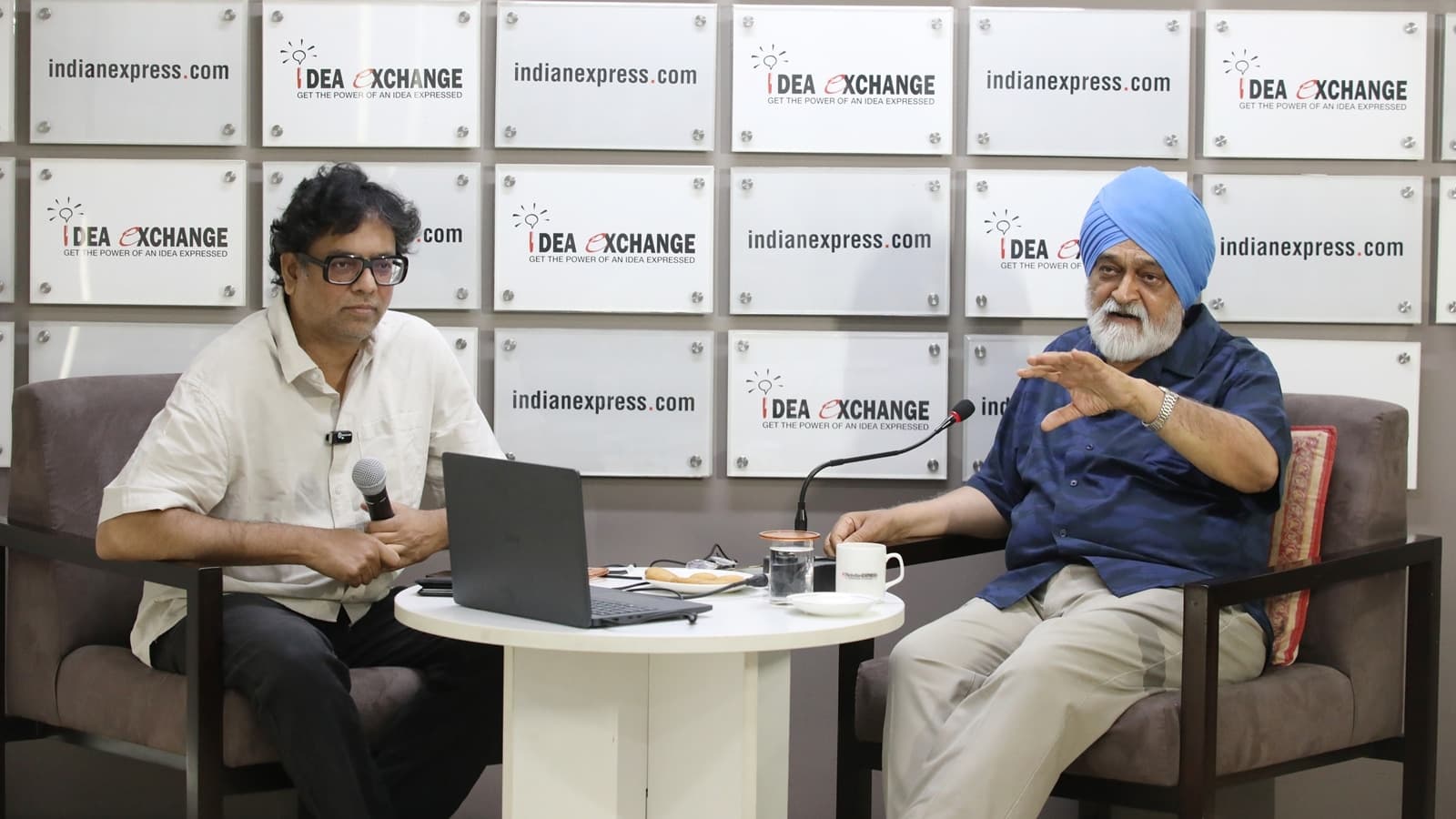
Montek Singh Ahluwalia highlights key economic challenges for India, emphasizing the need for a strategic approach to balance payments and investment.
Indian Express