

Image: BBC World
Delhi faces a brutal heatwave with temperatures hitting 45°C. Discover the health risks and essential precautions residents must take now.
GlipzoIn a stunning weather event, Delhi is currently experiencing a relentless heatwave, with temperatures soaring to an alarming 45 degrees Celsius. This blistering heat has left residents struggling and has raised serious concerns about public health and safety. As we delve deeper into this extreme weather phenomenon, it’s crucial to understand the implications it carries for the city and its inhabitants.
The Indian Meteorological Department (IMD) has issued severe heat warnings, indicating that this unusual temperature spike is due to a combination of factors, including changing climate patterns and urbanization. With June just around the corner, the peak summer heat is making an early and intense appearance, prompting citizens and officials alike to take necessary precautions.
Residents across the city have been feeling the heat—quite literally. With the sun blazing down, many are forced to adapt their daily routines to avoid the midday sun. Here are some practical steps being taken: - Avoiding outdoor activities: Many people are choosing to stay indoors during peak hours, especially the elderly and young children. - Staying hydrated: With temperatures soaring, staying hydrated has become a critical concern. Residents are consuming more water and staying away from dehydrating beverages. - Using protective clothing: Sun hats, sunglasses, and lightweight clothing are becoming essentials for anyone stepping outside.
Sumedha Pal, a correspondent from BBC, has vividly illustrated the difficulties faced by those wandering the streets in this suffocating heat. As she notes, the heat is not just uncomfortable; it poses serious health risks, including heat exhaustion and heat stroke.
Understanding the factors contributing to this extreme temperature is essential. The combination of urban heat islands—areas that experience significantly warmer temperatures due to human activities—and the ongoing effects of climate change play major roles. Urbanization has led to a reduction in green spaces, which exacerbates the heat retention in cities like Delhi.
Furthermore, global warming continues to push temperature averages higher year after year, leading to more frequent and severe heatwaves across the globe. The IMD has linked this particular heatwave to an anti-cyclonic circulation over the region, which traps heat and prevents cooler air from circulating.
With temperatures hitting dangerous levels, health authorities are on high alert. The rise in temperature can lead to serious health conditions, and officials are urging the public to take preventive measures. Here’s a roundup of the health risks associated with extreme heat: - Heat Exhaustion: Symptoms include heavy sweating, weakness, and dizziness. - Heat Stroke: A severe, life-threatening condition characterized by high body temperature, confusion, and loss of consciousness. - Respiratory Issues: Increased temperatures can worsen air quality, leading to higher levels of pollutants that affect respiratory health.
To combat these issues, health officials recommend: - Frequent hydration: Drink water even when you don’t feel thirsty. - Limit outdoor activities: Especially during the hottest parts of the day, usually between 11 AM and 4 PM. - Seek shade or air conditioning: If you must be outside, find shaded areas or air-conditioned spaces whenever possible.
As Delhi continues to endure this extreme heat, it’s important for residents to stay informed and prepared. The IMD has warned that the heatwave may persist for several days, with no immediate relief in sight.
Looking ahead, this event underscores the urgency for cities worldwide to develop strategies for managing extreme temperatures. This could involve: - Increasing green spaces to mitigate heat retention. - Implementing cooling centers for residents without access to air conditioning. - Educating the public on the dangers of extreme heat and ways to protect themselves.
In conclusion, while the immediate focus remains on coping with the current heatwave, there’s a pressing need for long-term solutions to address the increasing frequency of such weather events due to climate change. As we brace for hotter days ahead, residents must stay vigilant and prioritize their safety amid this challenging situation.
This heatwave is not just a local issue; it reflects a global climate crisis that affects millions. Understanding the broader context can foster awareness and drive action toward sustainable solutions to combat climate change and protect public health.
As Delhi faces this heat challenge, it serves as a critical reminder of the importance of addressing climate change proactively. The lessons learned during this heatwave could help pave the way for future preparedness and resilience against environmental extremes.

Survivors of the Laos cave rescue are aiding efforts to find the last two missing men trapped inside, sharing crucial insights for the search operation.
BBC World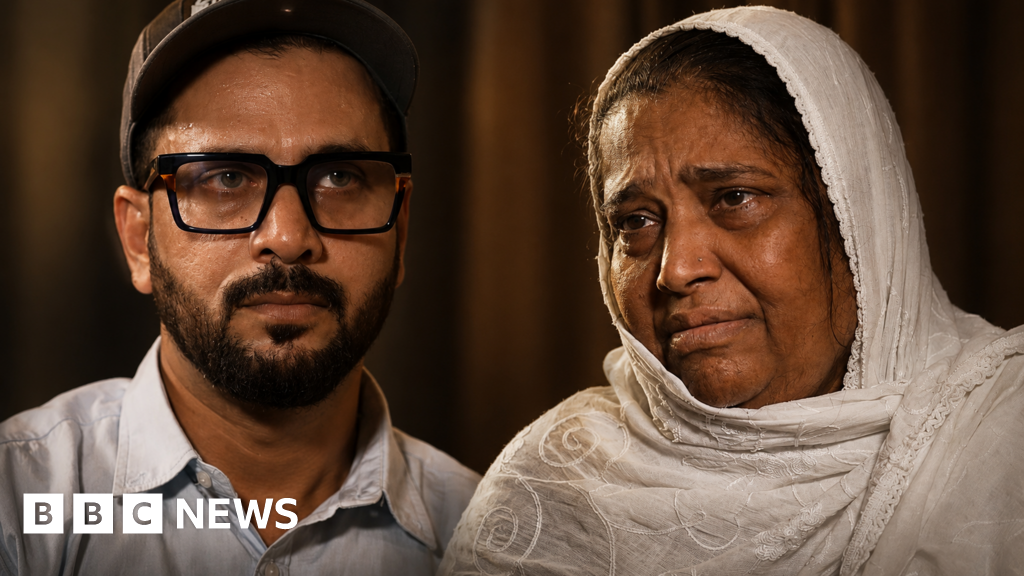
A year after the tragic Air India crash, the Ali family reflects on grief, unanswered questions, and the enduring bonds of love in the face of loss.
BBC Business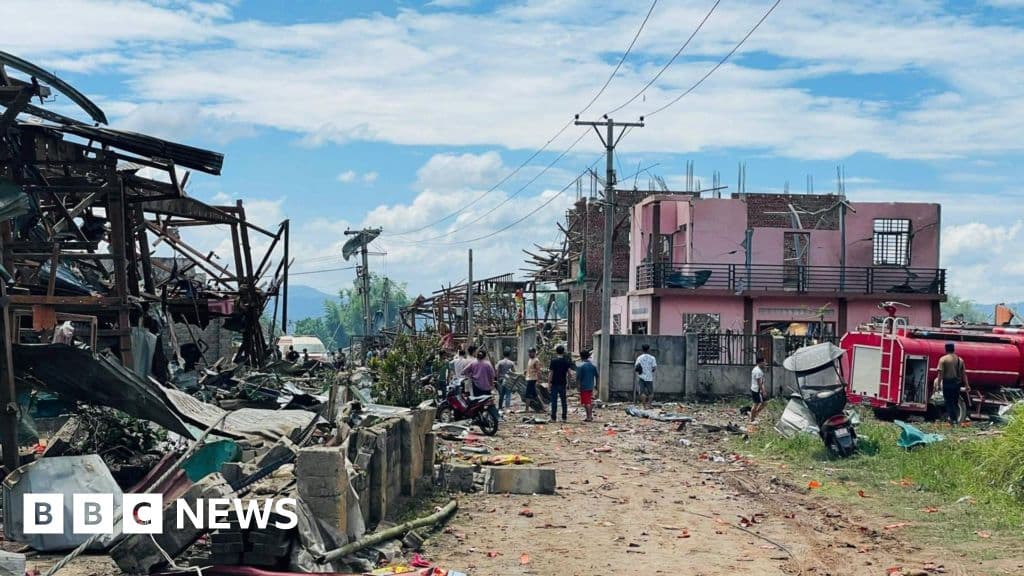
A devastating explosion in Myanmar's Kaung Tat village has killed at least 55 people, raising serious safety concerns and questions about civilian protection in conflict zones.
BBC World