
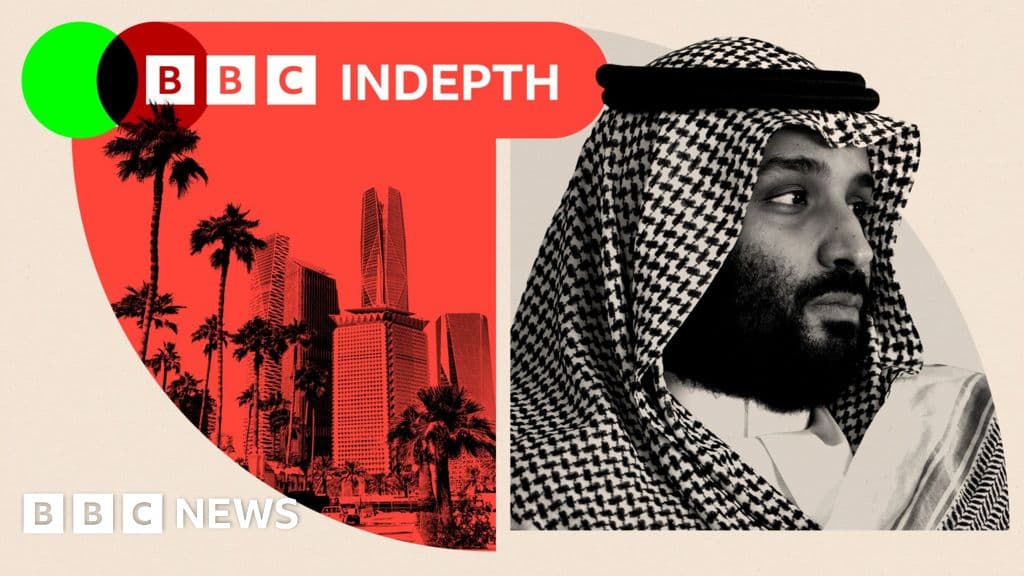
Image: BBC Business
Discover how Saudi Arabia's Vision 2030 faces major setbacks as economic realities challenge ambitious mega-projects and investments. What's next for MBS?
GlipzoSaudi Arabia’s Crown Prince Mohammed bin Salman, commonly known as MBS, launched an ambitious project a decade ago that aimed to transform the Kingdom into a global powerhouse. Dubbed Vision 2030, this initiative was envisioned as a radical reimagining of the economic and social landscape of Saudi Arabia. However, as we approach the year 2030, it seems that the grand ambitions are encountering significant hurdles.
At the heart of MBS’s vision were several monumental projects funded largely by the Public Investment Fund (PIF), which boasts assets nearing $1 trillion. These projects were not merely about physical structures but were meant to showcase Saudi Arabia as a beacon of innovation and technological prowess. Yet, as global oil prices have fluctuated and the geopolitical climate has soured due to ongoing conflicts, the sustainability of these dreams has come into question.
The past years have seen oil prices experience a remarkable downturn, exacerbated by geopolitical instability, including the recent conflicts in the Middle East. Although prices have surged again, the uncertainty surrounding these events continues to put pressure on Saudi revenues. As a result, the once-flowing stream of foreign investments into these extravagant ventures has dried up, leaving many projects in limbo.
Many wonder whether this is merely a recalibration of the original vision or a full-blown retreat from the ambitious plans.
Several high-profile initiatives have recently been scaled back or placed on hold:
Adding to the woes of Saudi Arabia’s ambitious vision is the reassessment of the LIV Golf Tour. Once touted as a major player in the sports industry, the tour has reportedly cost the Kingdom around $5 billion without delivering the expected financial or reputational returns. Critics argue that such investments in high-profile sports are emblematic of a mismanagement of resources that has plagued the Kingdom for years.
Ellen R. Wald, an expert on Saudi economics and author of Saudi, Inc., has noted the cyclical nature of these grand announcements. "This is the same playbook, the same thing again with The Line. It’s a pattern that has existed long before MBS, marked by splashy announcements that often lead to scaled-down versions of what was promised," she stated.
As Vision 2030 approaches its deadline, observers are left questioning its feasibility. The ambitious aims of transforming the Kingdom into a technology hub and a tourist destination are now overshadowed by economic realities and political instability. The recalibration of projects raises concerns about the long-term sustainability of these initiatives and the overall vision.
The outcome of Vision 2030 is significant not just for Saudi Arabia but for the global economy and geopolitical landscape. A successful transformation could lead to a more diversified economy less reliant on oil, while failures could exacerbate existing vulnerabilities. Furthermore, the Kingdom’s ability to attract foreign investment and partnerships hinges on its capacity to deliver on these ambitious projects. Failure to do so could affect its international standing and economic stability.
Moving forward, there are several key elements to monitor in the unfolding story of Saudi Arabia’s Vision 2030: - Economic Diversification: Will Saudi Arabia successfully pivot away from oil dependency? - Foreign Investment Trends: How will geopolitical tensions affect the Kingdom’s attractiveness to international investors? - Project Adjustments: What new adjustments will be made to existing projects, and will they still align with the original vision? - Global Reactions: How will the international community respond to Saudi Arabia’s evolving strategy?
In conclusion, while Vision 2030 was initially a beacon of hope for a sustainable future in Saudi Arabia, the current trajectory suggests a need for reassessment and recalibration. The coming years will determine whether these ambitious dreams can withstand the pressures of reality or if they will fade into the annals of unfulfilled potential.
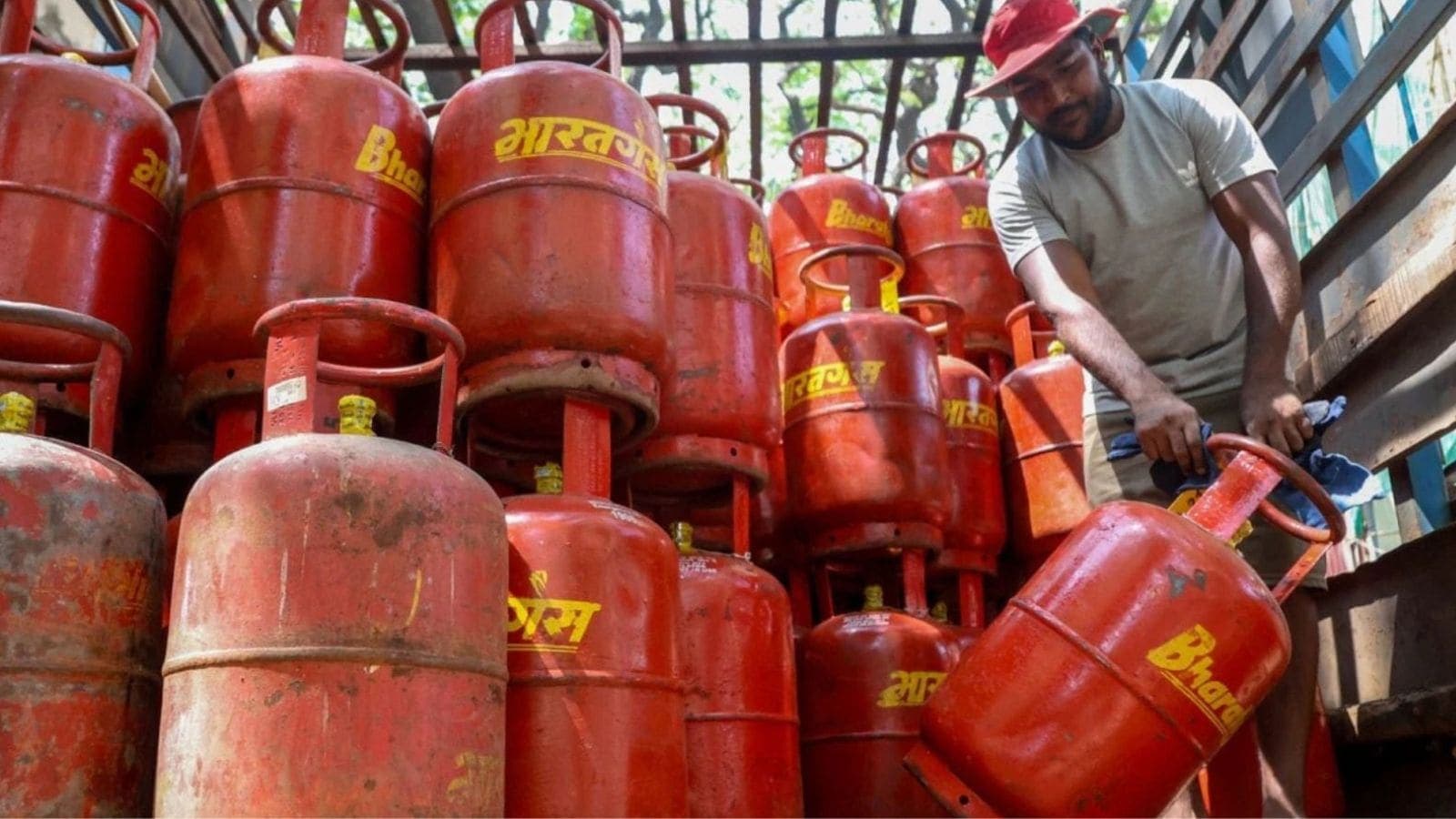
Commercial LPG prices have risen again, with increases of ₹42 in Delhi and ₹53.50 in Kolkata impacting businesses and consumers alike. Find out more.
Indian Express
Discover how a tragic coal mine explosion in Shanxi, China, reveals ongoing safety concerns in the industry amidst a push for green energy.
BBC Business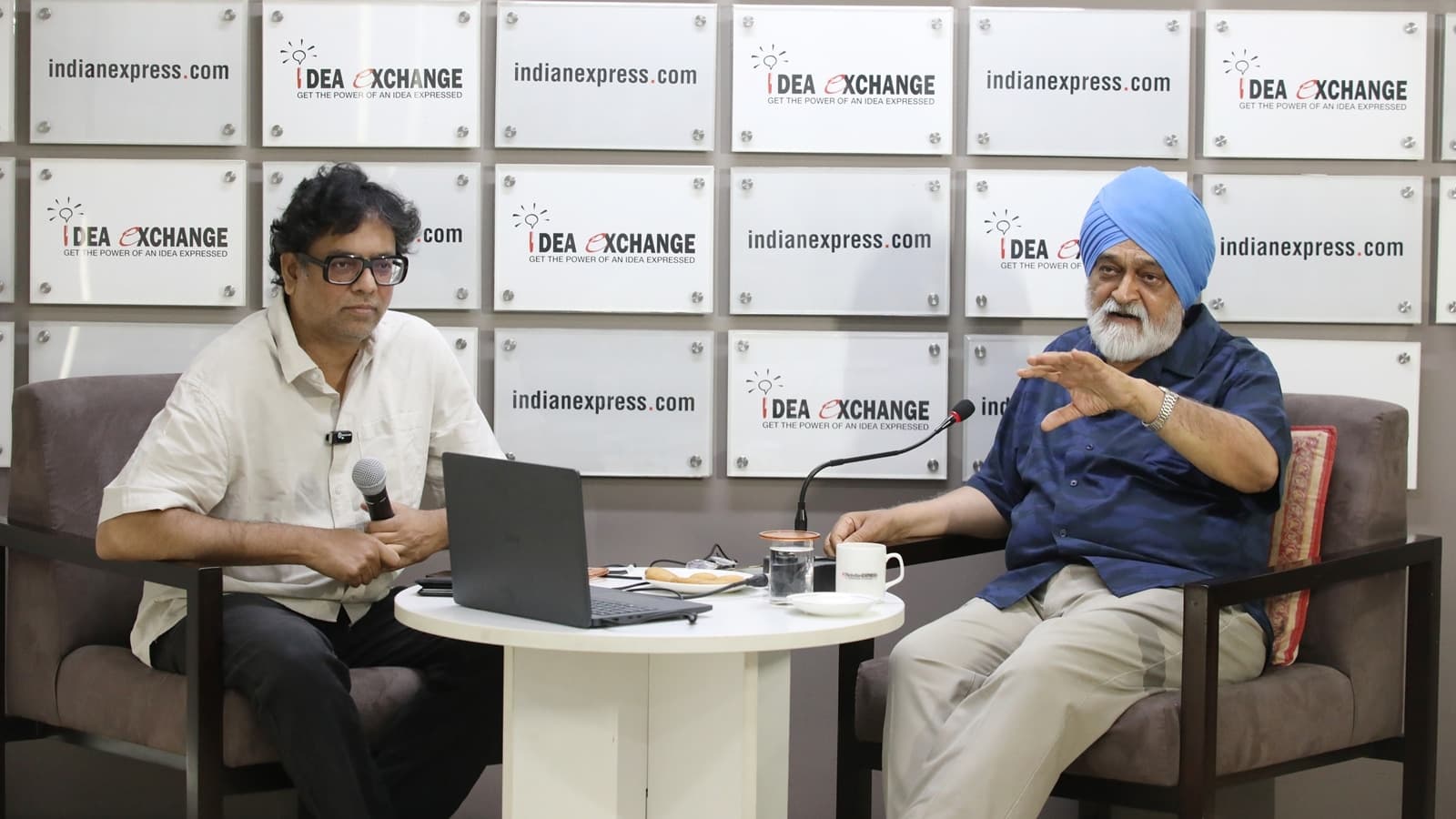
Montek Singh Ahluwalia highlights key economic challenges for India, emphasizing the need for a strategic approach to balance payments and investment.
Indian Express