
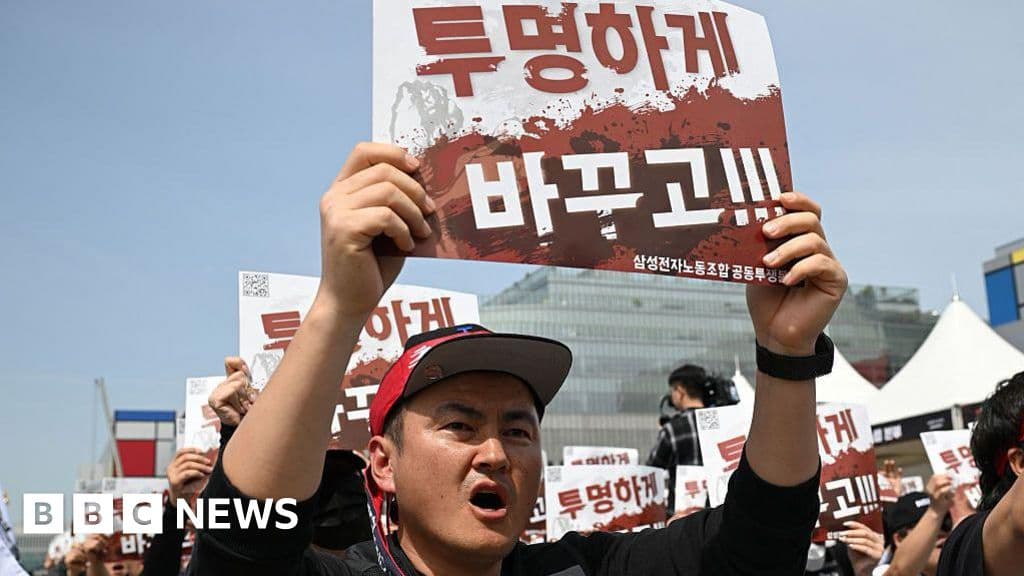
Image: BBC Business
Samsung Electronics' union suspends strike after a tentative pay deal. What does this mean for the tech giant and its future? Find out more!
GlipzoIn a dramatic turn of events, Samsung Electronics' largest union has put a hold on a planned strike that was set to commence this Thursday. This suspension follows a last-minute tentative pay agreement with the tech giant, alleviating immediate concerns about potential disruptions at the world's leading memory chipmaker.
The decision is crucial as it comes during a period of explosive growth in the demand for artificial intelligence (AI) data centers, which heavily rely on Samsung’s chips. The union, representing nearly 48,000 workers, announced that industrial action would be halted while its members vote on the proposed deal from May 22 to May 27.
The brewing conflict revolves around how to fairly distribute profits from the surging demand for AI memory chips. Samsung had initially planned to offer substantial bonuses to its 27,000 memory chip staff, with payouts that were at least six times more than those for workers in other divisions. Such disparities raised alarms within the union, particularly concerning the 23,000 employees involved in producing less advanced chips for major clients like Tesla and Nvidia.
The union argued that these workers should not be overlooked during a time of record profits. A strike at Samsung could have broad implications, potentially disrupting global supply chains and affecting South Korea's economy, which is highly reliant on its tech sector. Samsung's operations represent about 20% of the nation's economic output.
This labor dispute emerges at a particularly sensitive moment for Samsung as it faces mounting competition from rivals like SK Hynix and Micron. The demand for AI-driven chips is skyrocketing, creating strains on global supply. In the first quarter of this year, Samsung reported an astonishing 750% increase in operating profit compared to the same period last year. Additionally, the company's stock valuation surpassed $1 trillion in May, bolstered by the AI chip boom.
Last year, SK Hynix removed its bonus cap for the next decade, leading to significantly higher payouts for its employees—over three times what Samsung offered. As a response to this competitive pressure, Samsung proposed bonuses for memory chip workers amounting to 607% of their annual salary, surpassing those offered by its rival. However, employees in other divisions would see bonuses ranging from 50% to 100%, intensifying the grievances among the workforce.
The union has been vocal about its demands, insisting that Samsung eliminate the 50% cap on annual salary bonuses and allocate 15% of annual operating profits to a bonus pool that would benefit all workers. This push for fair compensation is critical as the company navigates a competitive landscape and seeks to retain its talent amid labor unrest.
Samsung executives have warned that a strike could significantly impact the broader South Korean economy, citing potential declines in sales, investment outflows, and reduced tax revenue. Following the tentative agreement, the company expressed a commitment to fostering a more constructive relationship with its labor force.
Despite the union’s temporary suspension of the strike, any future industrial action may be limited due to an injunction issued by a South Korean court. This ruling mandates that staffing levels for safety and production quality must remain stable, effectively preventing any actions that could disrupt operations. The union faces daily fines of $74,000 should it violate these orders, adding a layer of complexity to any potential future actions.
The American Chamber of Commerce in Korea remarked, "In today's interconnected global economy, disruptions in strategically important industries can create ripple effects extending well beyond a single company or market." This statement underscores the potential ramifications a strike could have not just for Samsung but for the global tech industry as well.
As the union prepares to vote on the tentative agreement, all eyes will be on the outcome and how it shapes the future of labor relations at Samsung. With the demand for AI chips only expected to rise, the stakes are high for both the company and its workforce.
The next few weeks will be critical as workers weigh their options and consider the long-term implications of the proposed deal. If the agreement is ratified, it could pave the way for more stable labor relations at Samsung, which would be beneficial for its operations and economic contributions.
Conversely, if the union decides to reject the agreement, a strike could become a reality, leading to significant disruptions not only for Samsung but also for the tech supply chains that depend on its products. Given the current competitive climate, how Samsung navigates this situation will be pivotal in determining its future success and stability in the industry.
In conclusion, while the immediate threat of a strike has been alleviated, the underlying issues remain unresolved, leaving the door open for future negotiations and potential conflicts. Stakeholders across the tech landscape will be watching closely as Samsung and its workers seek a resolution that balances profit with fair labor practices.

Commercial LPG prices have risen again, with increases of ₹42 in Delhi and ₹53.50 in Kolkata impacting businesses and consumers alike. Find out more.
Indian Express
Discover how a tragic coal mine explosion in Shanxi, China, reveals ongoing safety concerns in the industry amidst a push for green energy.
BBC Business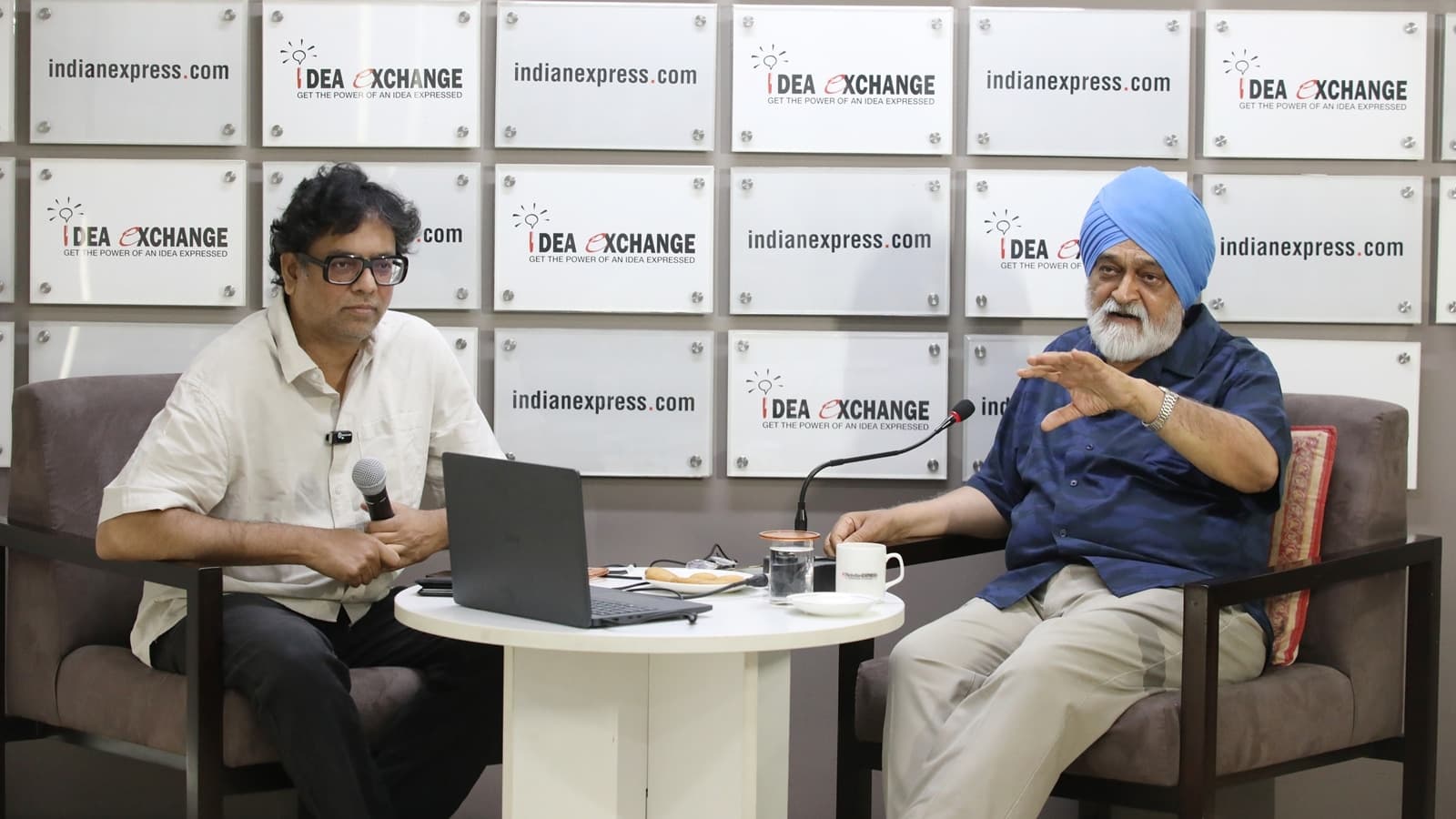
Montek Singh Ahluwalia highlights key economic challenges for India, emphasizing the need for a strategic approach to balance payments and investment.
Indian Express