

Image: TechCrunch
Discover how Samsung's investment in Grid Beyond aims to revolutionize the power grid with innovative software and battery solutions to address peak demand issues.
GlipzoThe electrical grid has undergone transformative changes over the last ten years, evolving more dramatically than in the previous five decades combined. This shift is largely driven by the growing integration of renewable energy sources such as solar and wind, alongside innovative battery technologies. Despite these advancements, the grid still faces significant challenges, particularly during peak demand hours.
Michael Phelan, co-founder and CEO of Grid Beyond, articulated the core issue, stating, "The problem on the grid is a peak problem. Most of the time you’re okay, you have plenty of power. But in those peak hours you might not have enough.” This challenge is especially pronounced for technology firms and data centers, which have substantial electricity demands to power AI models and other advanced applications.
Grid Beyond is at the forefront of addressing these issues through its innovative hardware and software solutions. The startup aims to connect various elements of the grid, enabling them to function as larger virtual power plants. Currently, Grid Beyond effectively manages approximately 1 gigawatt of renewable energy sources including solar, batteries, wind, and hydropower, along with several gigawatts of demand response across commercial and industrial sites, according to Phelan.
Recently, the company secured a €12 million ($13.8 million) equity round, predominantly led by Samsung Ventures. This funding round also saw participation from notable investors such as ABB, Act Venture Cattail, Alantra’s Energy Transition Fund, Constellation, EDP, Energy Impact Partners, Enterprise Ireland, Klima, Mirova, and Yokogawa, a leading Japanese electronics and software firm.
Grid Beyond's technology is already operational in numerous locations, including Australia, Ireland, Japan, the UK, and the United States. The startup's hardware controllers are integrated into batteries and renewable energy facilities as well as large industrial and commercial establishments, reinforcing its global footprint.
The origins of Grid Beyond can be traced back to Ireland, where the need to balance the grid became apparent as the country increased its wind power capacity. Phelan noted that Ireland's unique position as an island necessitated a flexible load management system that could adapt to the market's demands.
Grid operators traditionally incentivize heavy electricity users to reduce consumption during extreme events, such as heatwaves. This practice is not only cost-effective but also less expensive than constructing new power plants or transmission lines. As the reliance on renewables grows, many industrial and commercial clients have adapted their operations to lower electricity demand during off-peak hours or when renewable sources are less productive.
The inclusion of battery technology in this equation adds another layer of flexibility. Grid Beyond manages several significant energy storage projects, including a 200-megawatt battery in California. This capability enables the firm to balance dips in renewable generation effectively.
Batteries offer a significant advantage over traditional peaking power plants due to their rapid response capabilities. While conventional plants may take minutes to scale up, batteries can adjust supply almost instantaneously, creating opportunities for energy arbitrage. This rapid response ability is crucial for managing peak loads, particularly in data centers that often experience spikes in demand during AI training sessions.
As Phelan explained, these demand peaks can lead to oscillations in the grid, a phenomenon that previously resulted in failures, such as the collapse of the Spanish grid. By deploying batteries at data centers, Grid Beyond can help smooth out these fluctuations, enhancing grid stability.
Looking forward, Grid Beyond's innovative approach to energy management could significantly reshape how electricity is consumed and distributed. With the increasing complexities of the modern grid, the role of virtual power plants and energy storage will become even more vital. As more companies adopt AI and other energy-intensive technologies, the demand for reliable and flexible power solutions will only grow.
The recent investment from Samsung Ventures signifies a strong belief in Grid Beyond's potential to lead in this transformative space. As the company continues to expand its operations and refine its technology, it will be essential to monitor how these advancements influence both the grid's stability and the broader energy landscape.
The potential for future collaborations with other tech giants and energy companies may further propel Grid Beyond's growth. The ongoing evolution of the power grid presents a critical opportunity for innovation, efficiency, and sustainability in the energy sector, making this a vital development to watch in the coming years.
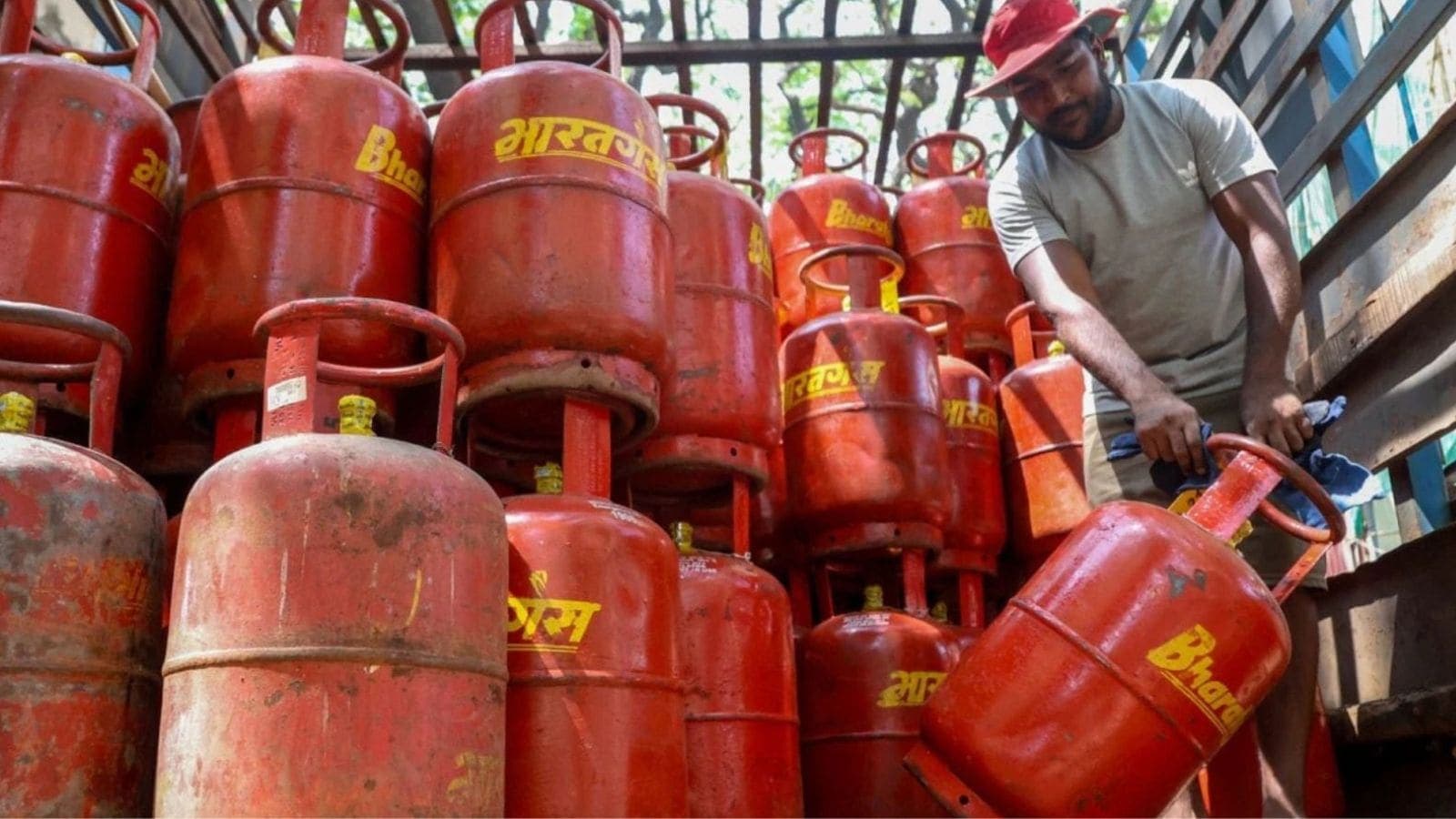
Commercial LPG prices have risen again, with increases of ₹42 in Delhi and ₹53.50 in Kolkata impacting businesses and consumers alike. Find out more.
Indian Express
Discover how a tragic coal mine explosion in Shanxi, China, reveals ongoing safety concerns in the industry amidst a push for green energy.
BBC Business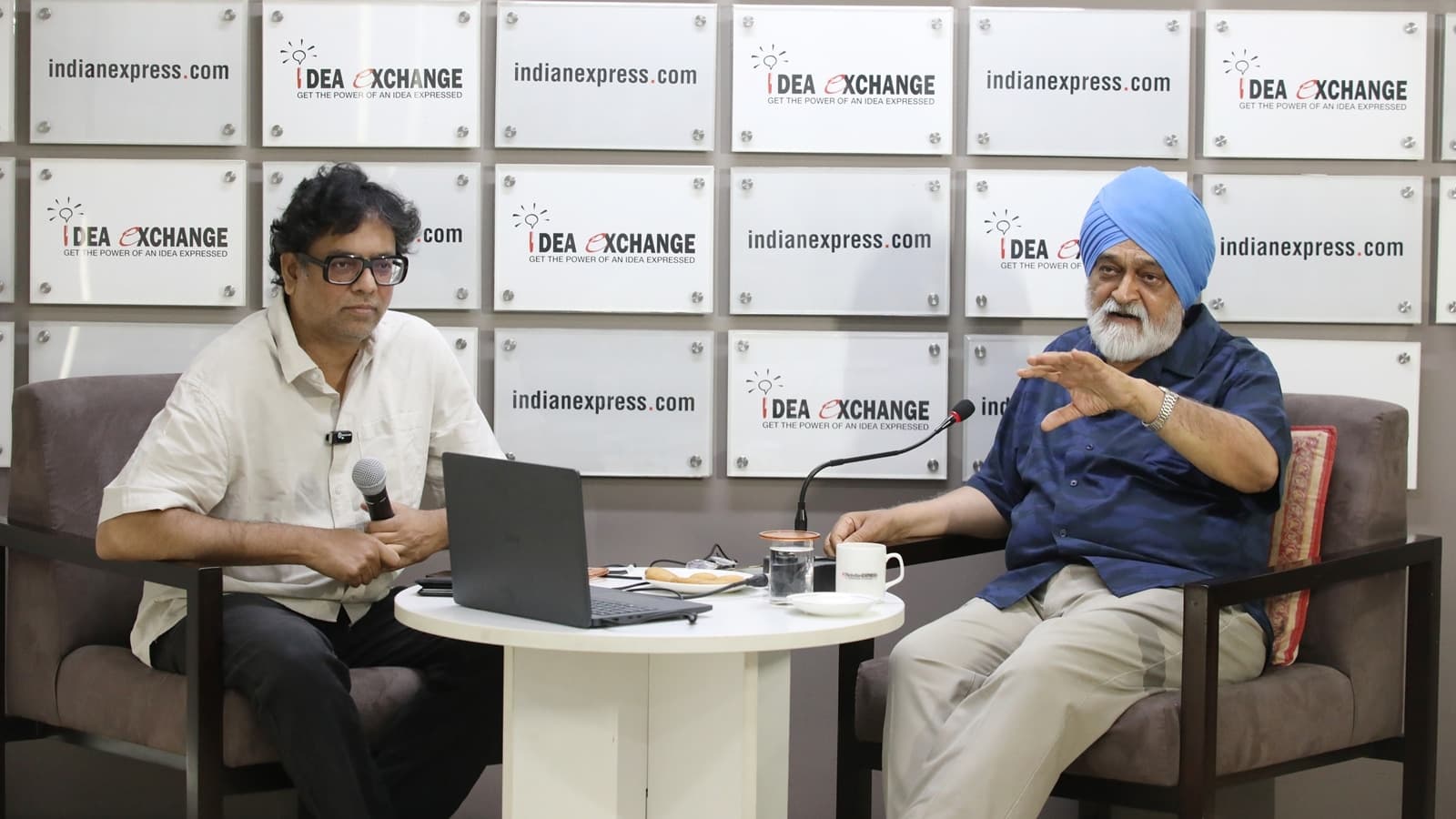
Montek Singh Ahluwalia highlights key economic challenges for India, emphasizing the need for a strategic approach to balance payments and investment.
Indian Express