
Image: BBC Business
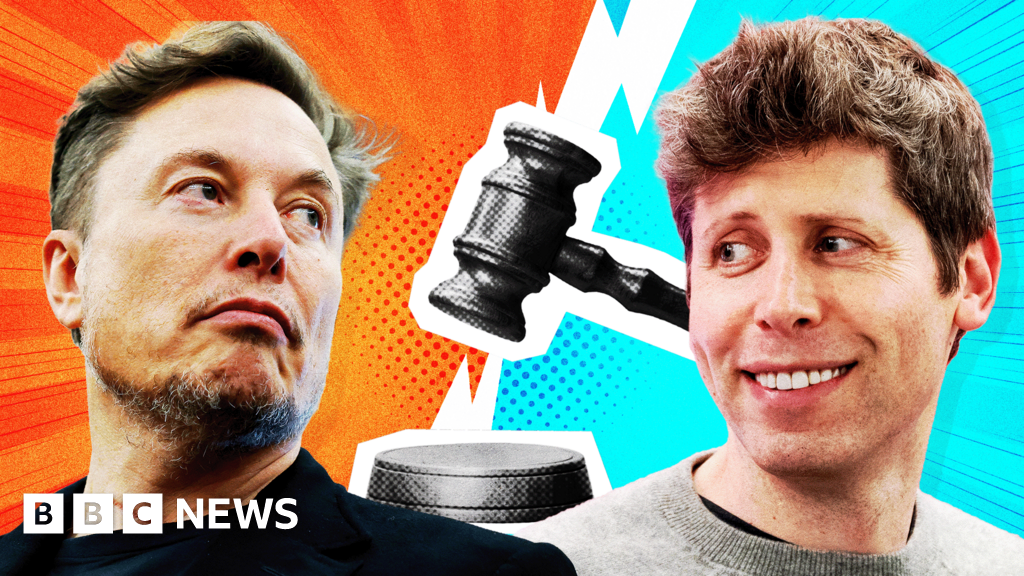
The trial between Elon Musk and Sam Altman shifts to court, with allegations of deception and the future of AI at stake. Discover what unfolds next.
GlipzoThe longstanding rivalry between Elon Musk and Sam Altman is taking a dramatic turn as the two tech titans prepare to face off in a federal courtroom in California. This bitter conflict, which has primarily unfolded online through jabs and allegations, will now be front and center in a month-long trial. The proceedings will kick off with the jury selection process, and the stakes couldn't be higher for both parties.
Musk, the CEO of Tesla and SpaceX, has dubbed Altman "Scam Altman" in recent posts on social media platform X, marking yet another escalation in their feud. The crux of the trial revolves around Musk's claim that Altman has deceived him out of millions and abandoned the original mission of OpenAI, the AI research organization they co-founded in 2015.
The courtroom drama will feature testimonies from both Musk and Altman, crucial figures in the tech industry whose actions and decisions may have far-reaching implications for the future of artificial intelligence (AI). Legal experts liken this showdown to a heavyweight boxing match, a clash of titans that pits Musk's immense influence against Altman's vision for AI.
The upcoming trial has garnered significant media attention, not just due to the personalities involved but more so because of the potential impact on the AI landscape. The jury, consisting of nine members, will be overseen by Judge Yvonne Gonzalez Rogers, who has emphasized that the wealth and fame of both Musk and Altman will not afford them any special treatment in her courtroom.
Among Musk's claims are accusations against OpenAI and its co-founder Greg Brockman, along with Microsoft, alleging that they conspired to monetize the organization contrary to its founding principles. Musk’s legal team is seeking billions of dollars in what they term “wrongful gains,” which Musk intends to redirect to fund OpenAI's non-profit initiatives.
OpenAI has countered these allegations, suggesting that Musk's motives are rooted in jealousy and regret over his departure from the organization. They contend that Musk's recent actions are an attempt to undermine a competitor in the rapidly evolving race toward artificial general intelligence (AGI), a concept defined as AI that exceeds human intelligence.
The foundation of this feud can be traced back to the inception of OpenAI, which was established with the noble aim of ensuring that AGI benefits humanity as a whole. Musk and Altman initially shared a vision of advancing technology responsibly, a goal that seemed promising in the early days of their collaboration.
In 2015, during a joint appearance, Musk remarked that AI could drastically change humanity, yet he also expressed concerns about its inherent risks. At this time, Musk was riding high on his successes with Tesla and SpaceX, while Altman was gaining recognition as a prominent figure in Silicon Valley, known for his leadership at the influential tech incubator Y Combinator.
Their paths crossed through a mutual connection in 2012, leading to Altman pitching the OpenAI idea to Musk. Despite their initial camaraderie and shared goals, tensions surfaced over time, particularly regarding the direction of the organization. In 2018, Musk left OpenAI following reported disagreements, expressing his frustration in an email that indicated he felt sidelined in the decision-making process.
A pivotal moment in this saga occurred when OpenAI transitioned from a non-profit model to a for-profit entity. Musk claims this shift was illegal and against the founding principles they had established. However, OpenAI asserts that the decision to pivot to a for-profit structure was a mutual agreement aimed at fulfilling their mission more effectively. They argue that Musk's desire to assume a position of absolute control within the organization contributed to his departure.
This transformation has raised critical questions about the ethical implications of AI development and the responsibilities of those at the helm of such powerful technologies. With the trial set to unfold, the implications of Musk’s claims could reverberate throughout the tech industry, influencing not just OpenAI but other organizations as well.
The outcome of this trial extends beyond the personal grievances of two billionaires; it could reshape the trajectory of artificial intelligence and how it is governed. As both Musk and Altman prepare to present their cases, the implications for the future of AI funding, ethics, and operational models remain unclear.
Observers are keenly aware that the trial will not only determine financial accountability but also the future landscape of AI development. The ongoing race to achieve AGI is fraught with challenges, and how this trial resolves could set significant precedents for companies pursuing similar goals.
As the trial unfolds, all eyes will be on the courtroom in Oakland. What happens next could determine not only the fates of Musk and Altman but also the direction of artificial intelligence in the years to come. Expect to see evolving narratives as the case progresses, with potential ripple effects across the tech industry.
Stay tuned for updates as this high-stakes trial continues to develop, showcasing a clash between two of the most influential figures in technology today.
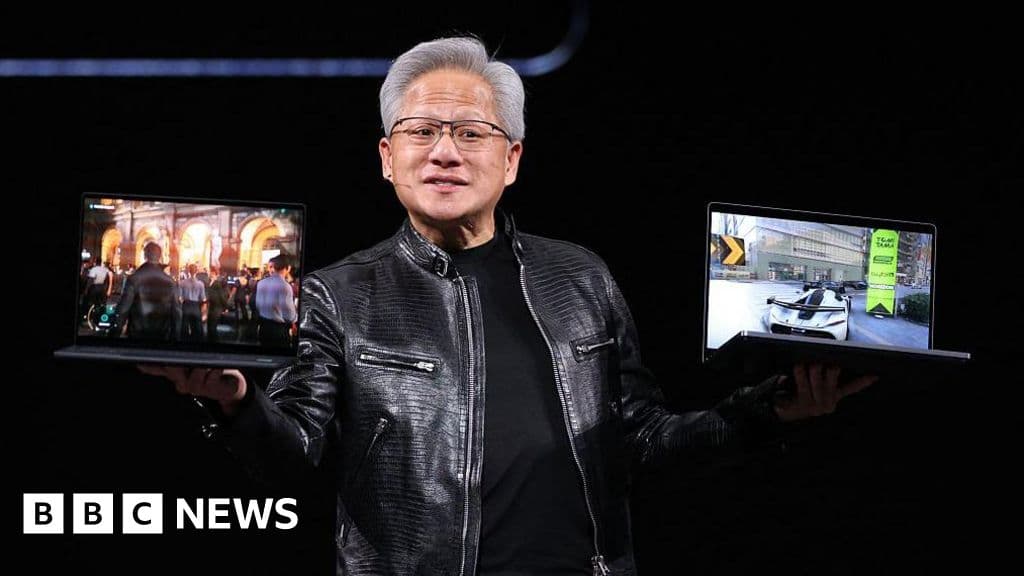
Nvidia's new RTX Spark chip aims to transform personal computing with AI, marking a significant shift in technology. Discover what this means for consumers.
BBC Business
The explosion of Blue Origin's New Glenn rocket raises significant concerns over NASA's lunar ambitions and the future of Amazon's satellite projects. Discover the implications.
BBC Science
Discover how Meta's lack of engagement on user bans raises critical concerns about accountability and transparency in social media governance.
BBC Technology