
Image: BBC World
Russia threatens Kyiv with new strikes, urging foreign nationals to evacuate. This escalating conflict raises serious international concerns.
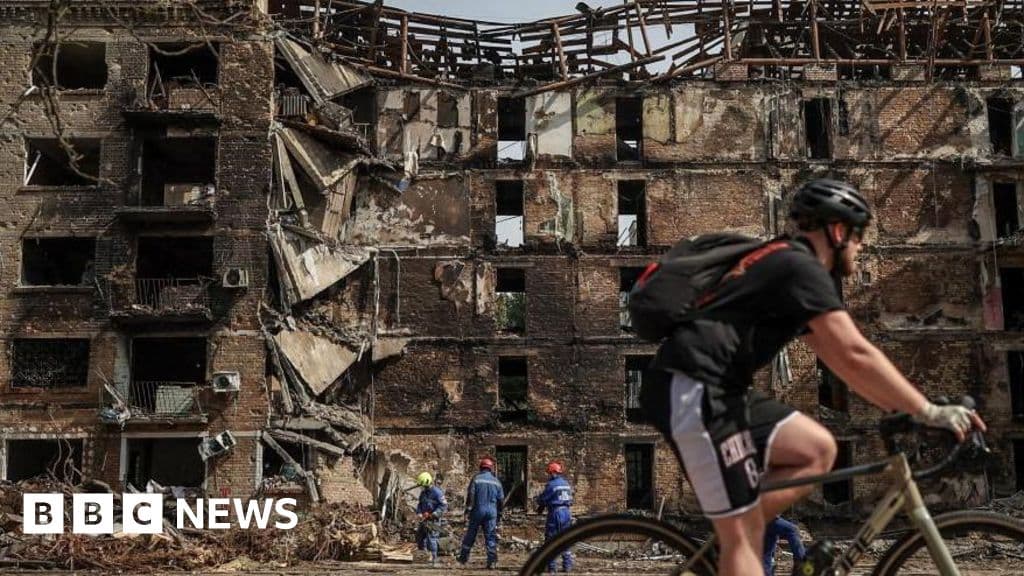
GlipzoIn a shocking new development, Russia has announced its intent to initiate a series of systematic strikes against Kyiv, just days after one of the most significant attacks on the Ukrainian capital since the onset of the war. This declaration comes as tensions escalate in the region, with Moscow targeting not only military installations but also decision-making centers within the city.
The Russian Foreign Ministry recently issued a statement urging foreign nationals and diplomats to vacate Kyiv “as soon as possible.” This warning raises serious concerns about the safety of those still residing in the capital, particularly as Russia has indicated its strikes will focus on military command posts and drone manufacturing facilities. Ukrainian officials have sharply criticized Moscow's threats, labeling them as “shameless blackmail” and appealing to international allies for increased support against these aggressive maneuvers.
Since the commencement of the war in February 2022, Russian forces have relentlessly bombarded Kyiv, maintaining a consistent level of threat against the city. The recent surge in attacks has seen significant civilian casualties, including the tragic loss of four lives and approximately 100 injuries during the latest wave of strikes. Ukrainian President Volodymyr Zelensky emphasized the gravity of the situation, stating that the security threat from Russia has remained unchanged over the past months.
The immediate catalyst for these latest threats appears to be a Ukrainian strike that allegedly targeted a student dormitory in the town of Starobilsk, resulting in the deaths of 21 individuals. In response, Russia claims that its airstrikes are a justified retaliation, despite Ukraine’s military asserting that their operations did not intentionally target civilians. This ongoing cycle of violence underscores the deepening conflict and the complex geopolitical dynamics at play.
In the last few weeks, the intensity of Russian missile and drone attacks on Kyiv has surged significantly. Following a brief ceasefire coinciding with Victory Day celebrations in Russia, hostilities resumed with deadly force. The most severe assault occurred overnight on a recent Saturday, marking one of the war's largest air raids on the city. Eyewitness accounts and social media footage captured the harrowing scenes of explosions illuminating the night sky, highlighting the extensive damage inflicted on civilian infrastructure.
Among the targets hit were notable non-military sites, including the Chernobyl Museum and the National Art Museum of Ukraine, along with residential areas and commercial centers. The Ukrainian military has been working tirelessly to bolster its air defense capabilities, managing to intercept a significant number of incoming threats. However, the sheer volume of attacks often overwhelms these systems, allowing many missiles and drones to penetrate defense lines.
The warning issued by Russia for foreign nationals to leave Kyiv is being interpreted by many analysts as a tactic to exert psychological pressure on Ukraine and its international allies. By targeting foreign diplomats, Moscow appears to be signaling a willingness to escalate violence in the capital, further complicating diplomatic efforts to resolve the conflict.
The U.S. Secretary of State, Marco Rubio, received a call from Russian Foreign Minister Sergei Lavrov, who reiterated the need for American diplomats to evacuate. This request highlights the precarious situation for foreign nationals in Ukraine and raises critical questions about the future of diplomatic relations amid ongoing hostilities.
As the situation continues to evolve, the international community is closely monitoring developments in Kyiv. The potential for further escalations remains high, particularly with Russia's recent vow to intensify attacks. Ukraine's reliance on foreign military support, particularly advanced air defense systems, will be crucial in the coming weeks as it seeks to protect its citizens and infrastructure from sustained bombardment.
The implications of this renewed conflict are far-reaching, affecting not only Ukraine and Russia but also global geopolitical dynamics. Observers are watching for signs of increased military aid from Western allies to Ukraine, as well as any shifts in Russia's strategy.
In conclusion, the situation in Kyiv is critical and warrants immediate attention. Stakeholders on both sides of the conflict must navigate a complex landscape of military engagement, international diplomacy, and humanitarian concerns as they seek a resolution to this ongoing crisis. The world remains on alert as we await the next developments in this precarious situation.
---

Survivors of the Laos cave rescue are aiding efforts to find the last two missing men trapped inside, sharing crucial insights for the search operation.
BBC World
A year after the tragic Air India crash, the Ali family reflects on grief, unanswered questions, and the enduring bonds of love in the face of loss.
BBC Business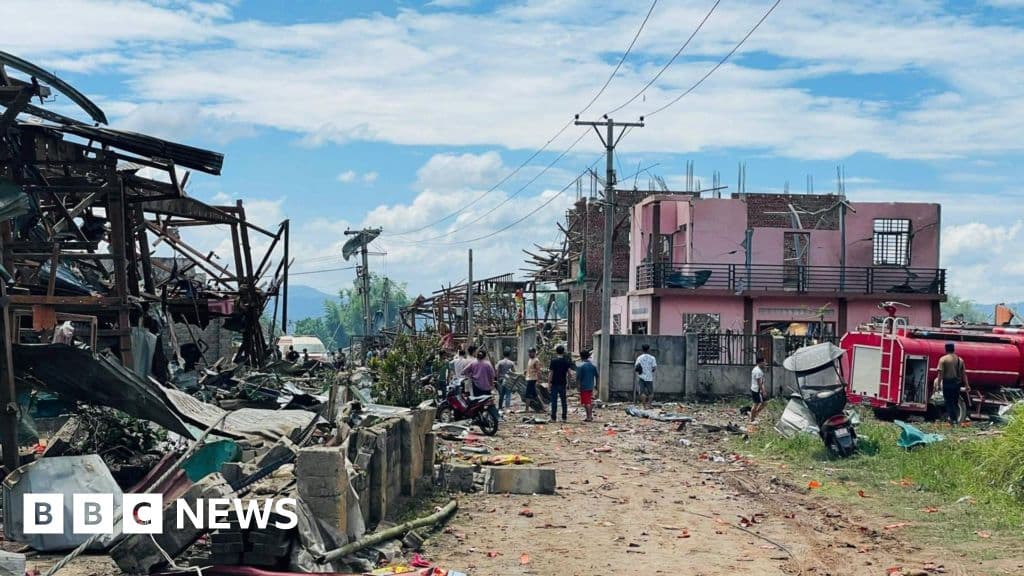
A devastating explosion in Myanmar's Kaung Tat village has killed at least 55 people, raising serious safety concerns and questions about civilian protection in conflict zones.
BBC World