Glipzo
WorldTechnologyBusinessSportsEntertainmentScienceHealthPolitics
Glipzo
WorldTechnologyBusinessSportsEntertainmentScienceHealthPolitics
  1. Home
  2. /
  3. Business
  4. /
  5. Rupee Hits Record Low of 93.71 Against U.S. Dollar
Rupee Hits Record Low of 93.71 Against U.S. Dollar

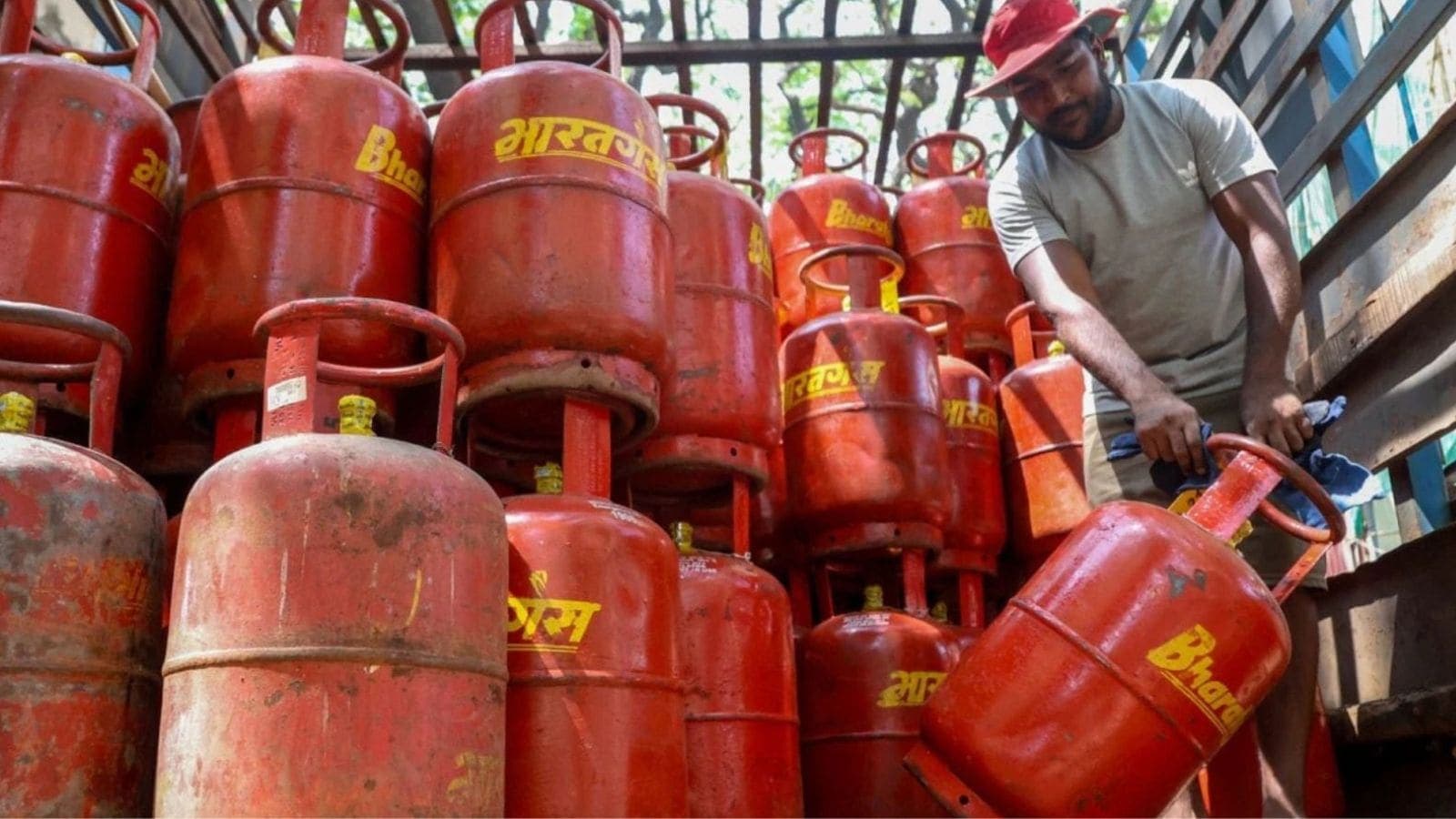
Image: Times of India

Business
Friday, March 20, 20264 min read

Rupee Hits Record Low of 93.71 Against U.S. Dollar

The Indian rupee has hit an all-time low of 93.71 against the US dollar. Discover the implications for the economy and what to expect next.

Glipzo News Desk|Source: Times of India
Share
Glipzo

Key Highlights

  • Rupee falls to 93.71, marking a historic low against the dollar.
  • Experts warn of rising inflation due to currency depreciation.
  • Import-dependent sectors face increased costs and volatility.
  • What will the Reserve Bank of India do to stabilize the rupee?

In this article

  • What Led to the Rupee's Sharp Decline?
  • Implications for the Indian Economy
  • Key Economic Sectors Affected: 1. **Oil and Gas**: Higher import costs could lead to increased fuel prices domestically. 2. **Manufacturing**: Import costs for raw materials may rise, squeezing margins for manufacturers. 3. **Exports**: Some exporters may see improved profitability due to favorable exchange rates.
  • Expert Opinions on the Situation
  • Perspectives from Financial Experts: - **Raghuram Rajan**: Warns of inflationary pressures due to a weaker rupee. - **Nirmal Jain**, CEO of a leading brokerage firm, suggests that proactive measures by the Reserve Bank of India could mitigate risks.
  • What This Means for You
  • Consumer Impact: - Increased prices for **imported goods** and **electronics**. - Higher costs for **travel** and **international purchases**. - Potential rise in **inflation**, affecting disposable income.
  • Forward-Looking Analysis
  • What to Watch For: - **Monetary policy changes** from the Reserve Bank of India. - Government measures to stabilize oil prices and strengthen the economy. - Global economic trends that could influence the dollar-rupee exchange rate.

The Indian rupee has plunged to a historic low, hitting 93.71 against the U.S. dollar, marking a significant moment in the currency's trajectory. This development, which occurred on October 27, 2023, has raised alarms among economists and investors, who are now closely analyzing the implications for the Indian economy and global markets.

What Led to the Rupee's Sharp Decline?

Several factors have contributed to this dramatic depreciation of the rupee. Global economic conditions, including rising interest rates in the United States, have strengthened the dollar, making it more expensive for foreign currencies like the rupee. Additionally, increasing oil prices have put pressure on India's current account deficit, worsening the currency's position.

Key reasons for the rupee's decline include: - Rising U.S. interest rates: The Federal Reserve's aggressive stance on interest rate hikes has bolstered the dollar. - Inflation pressures: Both globally and domestically, inflation has surged, leading to economic uncertainty. - Geopolitical tensions: Ongoing tensions, particularly in regions that affect oil supply, have led to increased volatility in commodity prices.

Implications for the Indian Economy

The rupee's depreciation is likely to have far-reaching consequences for various sectors within the Indian economy. Import-dependent industries such as oil and electronics are expected to feel the squeeze, as their costs will increase with a weaker rupee.

Conversely, sectors that export goods may benefit from the weaker currency, potentially improving their competitiveness abroad. However, the overall impact on the economy remains concerning, particularly in the face of rising inflation.

Key Economic Sectors Affected: 1. **Oil and Gas**: Higher import costs could lead to increased fuel prices domestically. 2. **Manufacturing**: Import costs for raw materials may rise, squeezing margins for manufacturers. 3. **Exports**: Some exporters may see improved profitability due to favorable exchange rates.

Expert Opinions on the Situation

Economists are divided on whether this depreciation is a temporary blip or a sign of a more prolonged trend. Raghuram Rajan, former governor of the Reserve Bank of India, states, "A weaker rupee could lead to higher inflation, which will hurt the purchasing power of the common man." Meanwhile, some analysts believe that the rupee may stabilize if global conditions improve or if the Indian government takes decisive action to bolster the economy.

Perspectives from Financial Experts: - **Raghuram Rajan**: Warns of inflationary pressures due to a weaker rupee. - **Nirmal Jain**, CEO of a leading brokerage firm, suggests that proactive measures by the Reserve Bank of India could mitigate risks.

What This Means for You

For everyday consumers, the falling rupee could mean higher prices for imported goods, including electronics, vehicles, and even food items that rely on imported ingredients. Additionally, travel abroad will become more expensive, affecting holiday plans for many Indians.

Consumer Impact: - Increased prices for **imported goods** and **electronics**. - Higher costs for **travel** and **international purchases**. - Potential rise in **inflation**, affecting disposable income.

Forward-Looking Analysis

As we look ahead, the key question remains: how will the Indian government and central bank respond to this crisis? Analysts will be monitoring upcoming monetary policy meetings, where the Reserve Bank of India may adjust interest rates to combat inflation and stabilize the currency. Furthermore, any strategic interventions by the government to manage oil prices could also play a crucial role in the rupee's recovery.

What to Watch For: - **Monetary policy changes** from the Reserve Bank of India. - Government measures to stabilize oil prices and strengthen the economy. - Global economic trends that could influence the dollar-rupee exchange rate.

In conclusion, the recent drop in the rupee to an all-time low against the U.S. dollar is a critical development impacting not just financial markets but also the daily lives of millions of Indians. The coming weeks will be pivotal as policymakers grapple with the challenges presented by this currency crisis, and all eyes will be on how effectively they can navigate these turbulent waters.
Did you find this article useful? Share it!

Share

Related Articles

UK Fuel Prices Drop After Weeks of Increases Amid Crisis
Business
Apr 18, 2026

UK Fuel Prices Drop After Weeks of Increases Amid Crisis

UK fuel prices finally dip after weeks of increases tied to the US-Israel war. What does this mean for drivers? Read on to find out more!

BBC Business
Oil Prices Dive as Iran Declares Strait of Hormuz 'Open'
Business
Apr 18, 2026

Oil Prices Dive as Iran Declares Strait of Hormuz 'Open'

Oil prices dropped sharply after Iran stated the Strait of Hormuz is open for commercial traffic during the ceasefire in the US-Israel conflict.

BBC Business
Major Mortgage Rate Cuts Offer Hope Amid Iran War Fallout
Business
Apr 18, 2026

Major Mortgage Rate Cuts Offer Hope Amid Iran War Fallout

Major mortgage lenders are cutting rates, easing burdens for first-time buyers impacted by the Iran war. What does this mean for the housing market?

BBC Business

Categories

  • World
  • Technology
  • Business
  • Sports

More

  • Entertainment
  • Science
  • Health
  • Politics

Explore

  • Web Stories
  • About Us
  • Contact

Legal

  • Privacy Policy
  • Terms of Service

© 2026 Glipzo. All rights reserved.