
Image: Indian Express
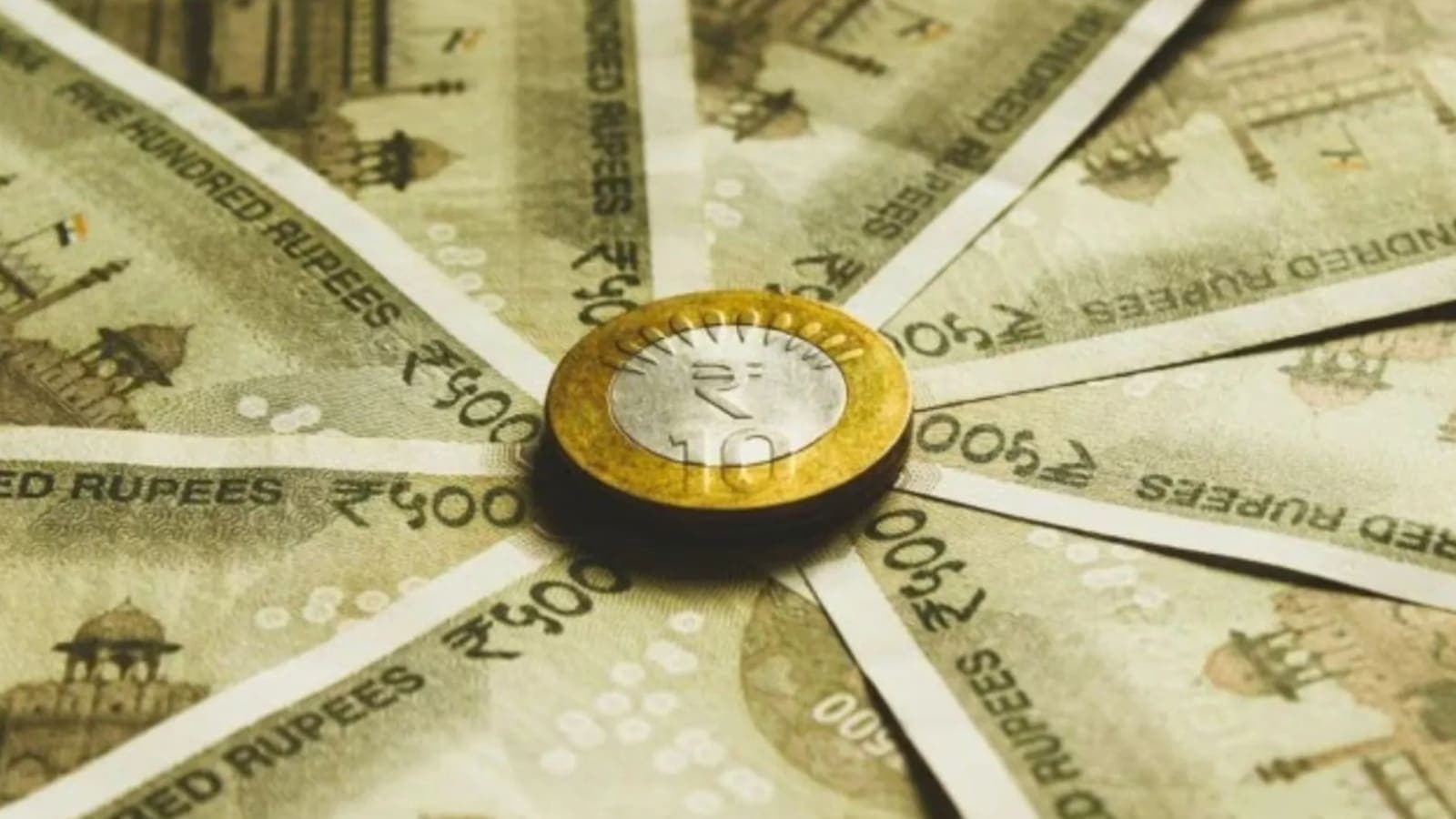
The Indian rupee is set to open lower as stubborn oil prices near three-week highs, raising concerns about currency stability amid geopolitical tensions.
GlipzoThe Indian rupee is anticipated to open lower on Tuesday, coming under pressure from oil prices that are nearing a three-week high. As Asian currencies exhibit a weaker trend, traders predict the rupee will begin trading in the 94.25-94.30 range, following a slight increase to 94.19 on Monday's close. The persistent increase in oil prices is adding to the challenges faced by the currency, which has seen a decline from the 92.70 mark it reached just ten days ago.
The recent surge in oil costs can be attributed to several geopolitical factors that have kept the market on edge. The ongoing tensions in the region, particularly in relation to Iran, have made oil supply unpredictable. Traders are reporting heavy dollar purchases by oil refiners, which is further contributing to the rupee's struggles. As the Reserve Bank of India (RBI) attempts to manage these fluctuations, their interventions have been selective, providing support only up to certain levels before withdrawing.
With oil prices appearing to stabilize at a higher level, analysts suggest that the rupee may have limited opportunities for recovery. The RBI has been active in the market to mitigate pressure on the rupee, but the effectiveness of these measures is being questioned. Traders note that while the central bank has intervened, their approach has not been aggressive enough to provide sustained support for the currency.
Key factors affecting the rupee's performance include: - High Oil Prices: Continuing geopolitical tensions have kept oil prices elevated, with Brent crude rising over 1% to $109.40 per barrel. - Dollar Demand: Increased dollar buying by oil refiners is compounding the rupee's weakness, with minimal supply to counterbalance these purchases. - Limited RBI Intervention: The RBI's selective support strategy has left the currency vulnerable to market dynamics.
The situation is further complicated by the aftermath of the U.S. and Israel's military actions against Iran. A ceasefire has been in effect since early April, but oil flows through the crucial Strait of Hormuz have yet to resume, which analysts believe is a significant barrier to any potential drop in oil prices. The ongoing conflict and the resulting supply constraints are likely to maintain upward pressure on oil prices, which in turn affects the rupee.
As of Tuesday, oil prices have been on a winning streak, potentially extending to seven consecutive sessions of gains. This trend is being fueled by faltering efforts to resolve the U.S.-Iran conflict, which continues to underpin oil market volatility.
The rupee's struggle is not an isolated issue; it reflects broader trends affecting Asian currencies. With most currencies in the region weakening, the overall sentiment towards emerging markets is becoming increasingly cautious. The dollar index has also seen a slight uptick, indicating a stronger dollar relative to other currencies, which adds to the rupee's challenges.
As we look toward the future, several factors will be pivotal in determining the direction of the rupee and the broader economic landscape. Traders and analysts will closely monitor: - Oil Price Trends: Continued monitoring of oil prices will be crucial, especially in relation to geopolitical developments. - RBI Policies: The effectiveness of the RBI's interventions in stabilizing the rupee will be under scrutiny, as traders seek clarity on future monetary policy. - Global Economic Indicators: Broader economic indicators, including inflation rates and growth forecasts, will also play a significant role in shaping market sentiment.
In conclusion, the Indian rupee’s vulnerability amidst high oil prices and a weaker Asian currency landscape presents a complex scenario. The interplay of geopolitical events, market dynamics, and central bank policies will be essential to watch as these elements continue to unfold in the coming weeks.
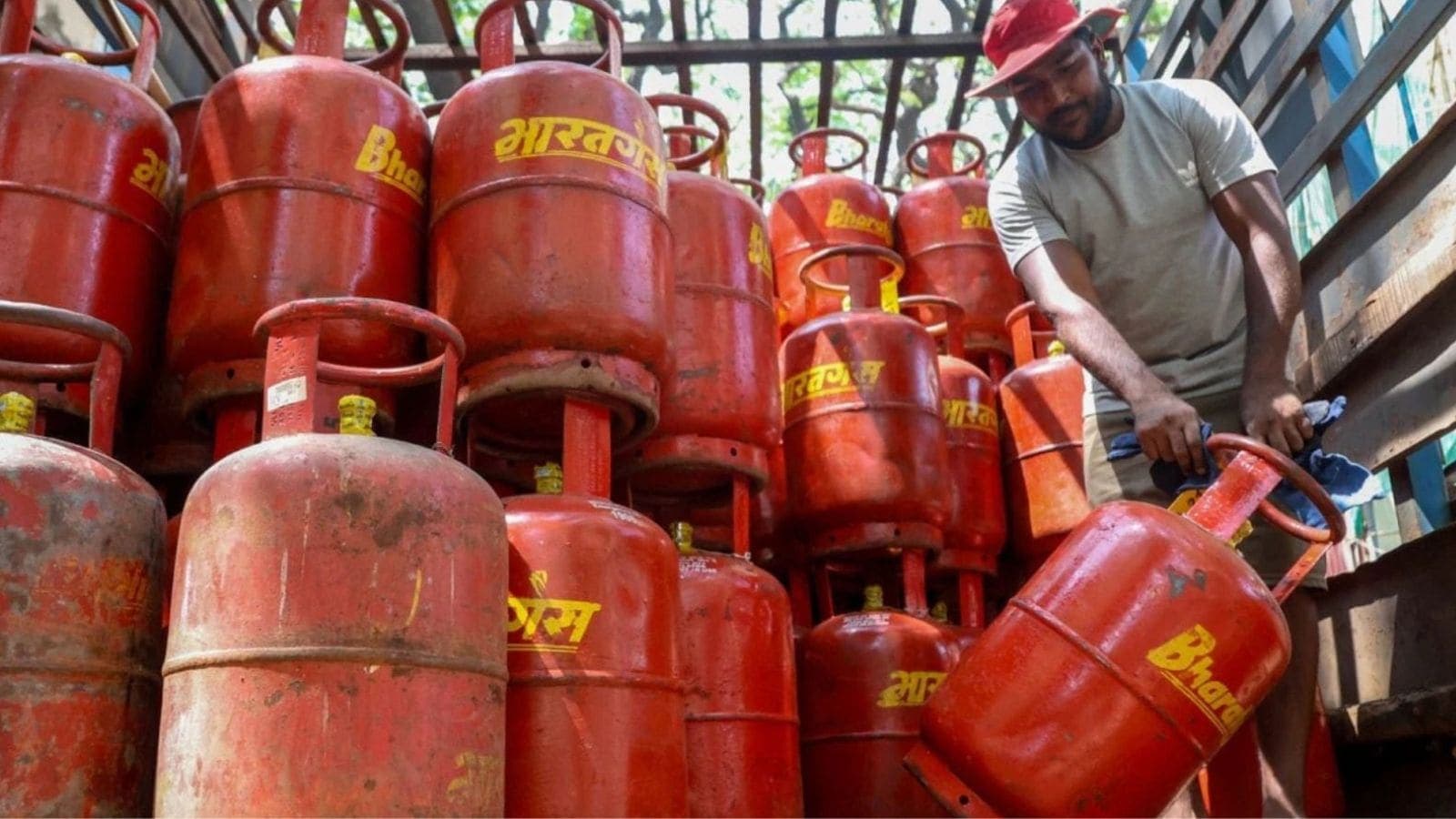
Commercial LPG prices have risen again, with increases of ₹42 in Delhi and ₹53.50 in Kolkata impacting businesses and consumers alike. Find out more.
Indian Express
Discover how a tragic coal mine explosion in Shanxi, China, reveals ongoing safety concerns in the industry amidst a push for green energy.
BBC Business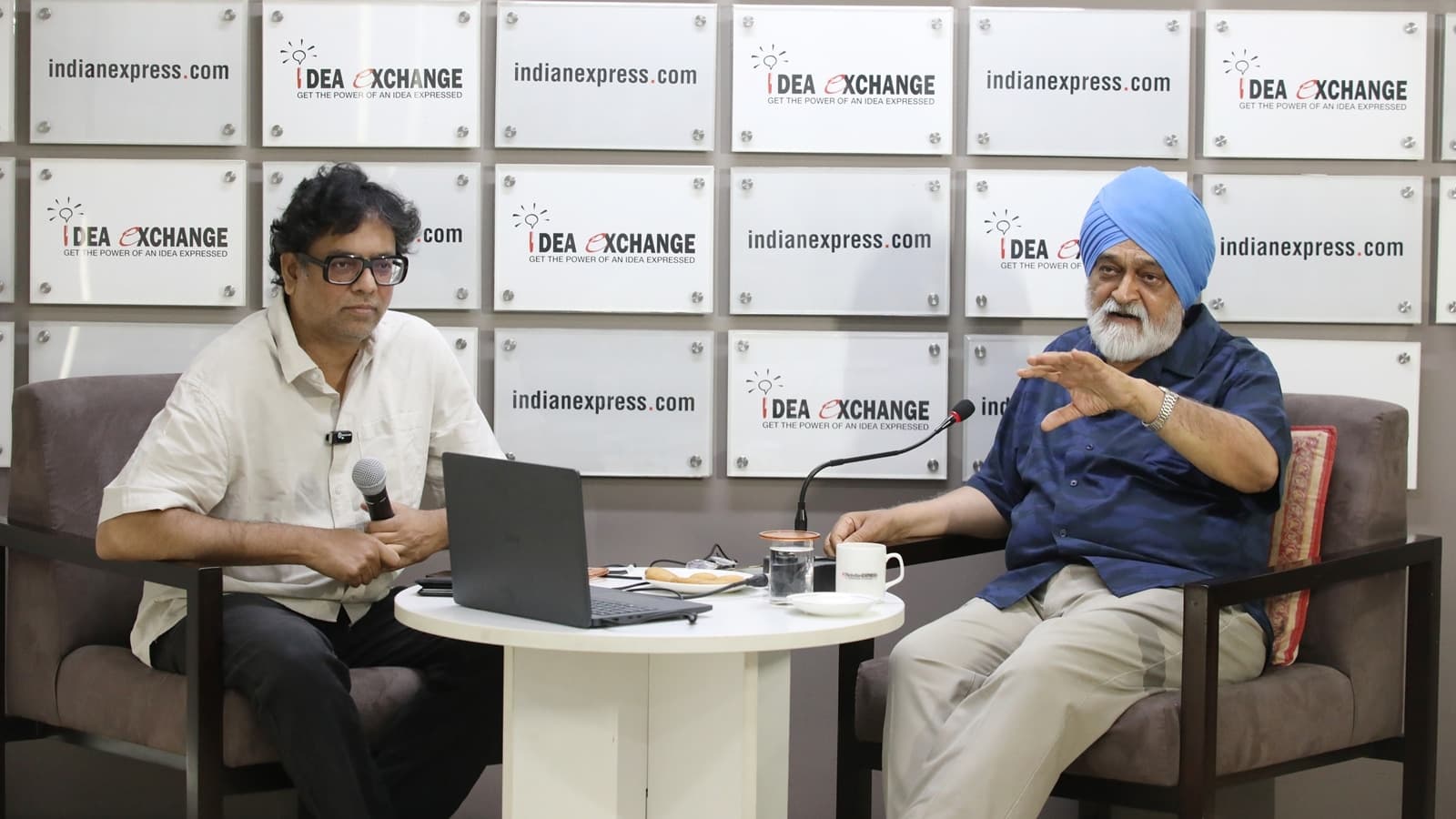
Montek Singh Ahluwalia highlights key economic challenges for India, emphasizing the need for a strategic approach to balance payments and investment.
Indian Express