
Image: Indian Express
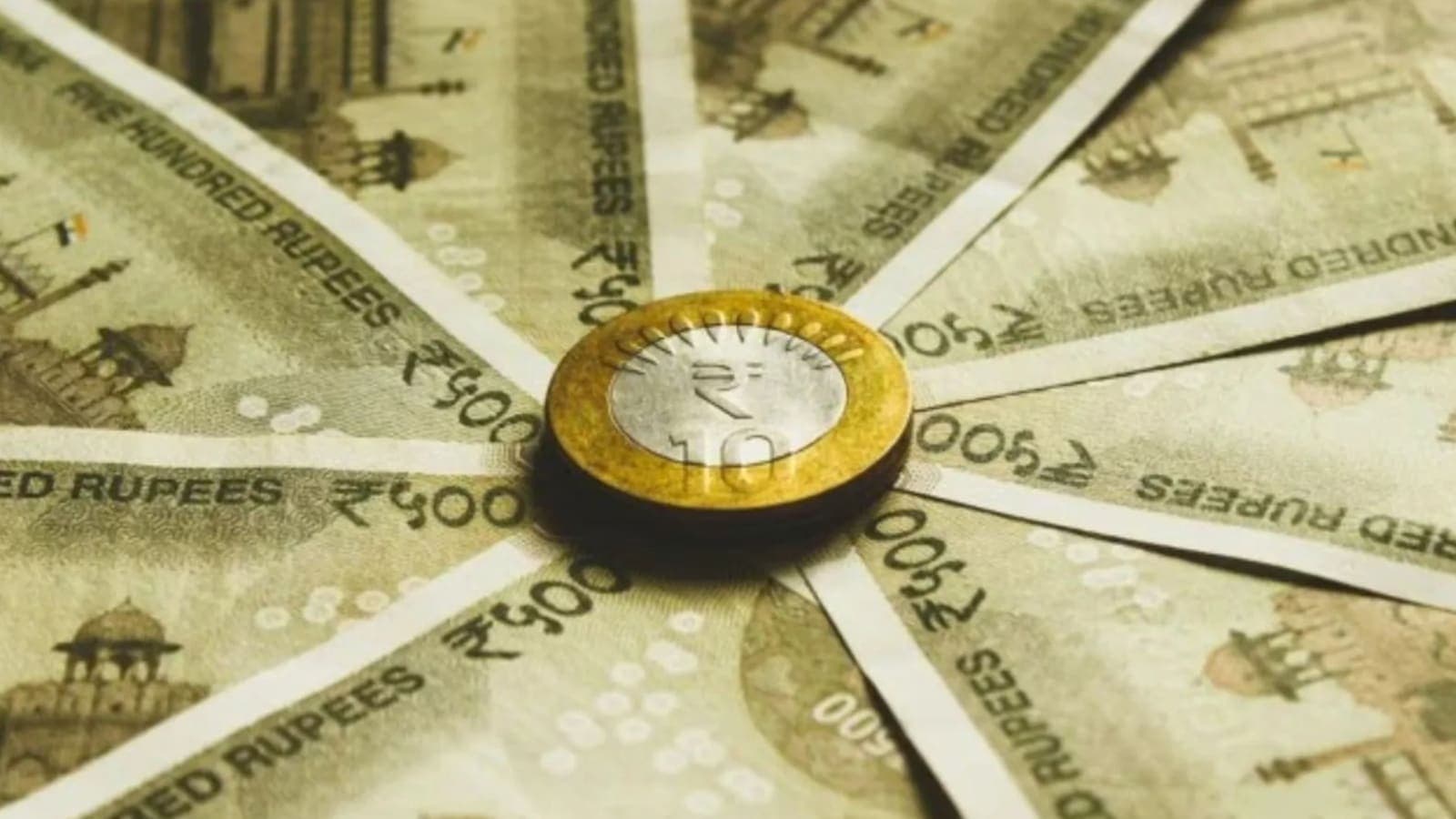
The Indian rupee dropped 18 paise to 96.38 against the dollar amid high oil prices, while stock markets saw a slight uptick due to geopolitical optimism.
GlipzoThe Indian rupee has experienced a notable decline, slipping 18 paise to trade at 96.38 against the US dollar on Tuesday morning. This downturn comes amidst persistently high oil prices that have been influencing currency markets globally. As investors assess ongoing geopolitical tensions and economic indicators, the rupee's performance underscores a broader trend affecting Asian currencies.
The weakening of the rupee can be attributed to several factors: - Weakness in Asian currencies: The rupee is not alone in its struggles, as many other Asian currencies are also facing increased pressure. - Subdued risk appetite: Investors are exhibiting caution due to global uncertainties, impacting demand for emerging market currencies like the rupee. - High US yields: Elevated yields in the United States are making the dollar more attractive, further contributing to the rupee's decline.
This marks the seventh consecutive day of losses for the rupee, which has now depreciated by 2.2% during this period, reaching new lows against the dollar. The currency's value is a crucial indicator of the Indian economy's health, and its ongoing decline raises concerns among economists and investors alike.
In contrast to the rupee's slide, the Indian stock markets opened slightly higher on Tuesday. The Nifty 50 index rose by 0.11%, reaching 23,675.3, while the BSE Sensex increased by 0.17%, settling at 75,441.27 at 9:15 am. This small recovery in equity markets can be attributed to renewed optimism regarding geopolitical developments.
The partial bounce in the stock market coincides with growing hopes for a de-escalation of the US-Iran conflict, which has been ongoing for nearly three months. On Monday, US President Donald Trump hinted at the possibility of a new nuclear deal with Iran, which could stabilize oil prices and influence global markets positively.
Investors are closely monitoring these developments, as a peaceful resolution could alleviate some economic pressures, particularly in the energy sector.
In a separate yet significant financial update, fuel prices in India have seen another increase, with petrol and diesel prices rising by 90 paise per litre on Tuesday. This latest hike comes just days after a previous increase, compounding the financial burden on consumers.
In Delhi, petrol prices now stand at Rs 98.64 per litre, a jump from Rs 97.77, while diesel prices have risen to Rs 91.58 per litre, up from Rs 90.67, according to reports from PTI. These price adjustments are particularly concerning as they can lead to heightened inflation and affect overall economic sentiment.
The recent decline of the rupee and rising fuel prices are critical issues that could have wide-ranging implications for the Indian economy. A weakening rupee can lead to higher import costs, affecting everything from consumer goods to essential commodities. Moreover, persistent high oil prices can strain household budgets and increase inflationary pressures.
As the Indian economy navigates these turbulent waters, several factors will be crucial to watch in the coming days: - Geopolitical Developments: Continued dialogue regarding the US-Iran situation could influence oil prices and market stability. - Economic Data Releases: Upcoming economic indicators will provide insights into the health of the Indian economy, particularly in the context of inflation and growth. - Central Bank Policies: The Reserve Bank of India’s responses to currency fluctuations and inflation will be closely monitored.
In summary, the Indian rupee's decline and rising fuel prices signal a challenging period ahead for consumers and the economy. Stakeholders will need to stay vigilant as events unfold, impacting both the currency and broader economic landscape.
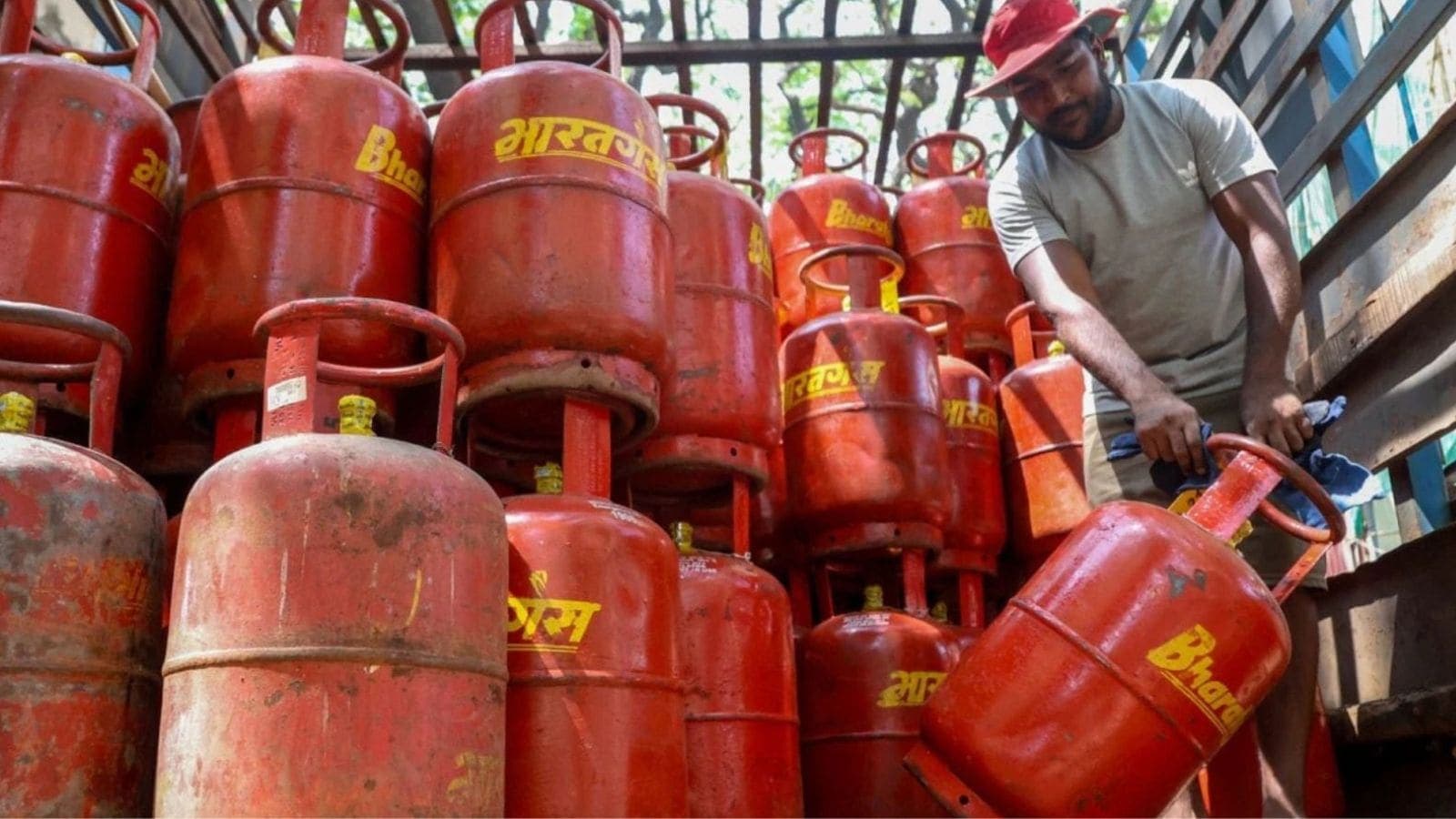
Commercial LPG prices have risen again, with increases of ₹42 in Delhi and ₹53.50 in Kolkata impacting businesses and consumers alike. Find out more.
Indian Express
Discover how a tragic coal mine explosion in Shanxi, China, reveals ongoing safety concerns in the industry amidst a push for green energy.
BBC Business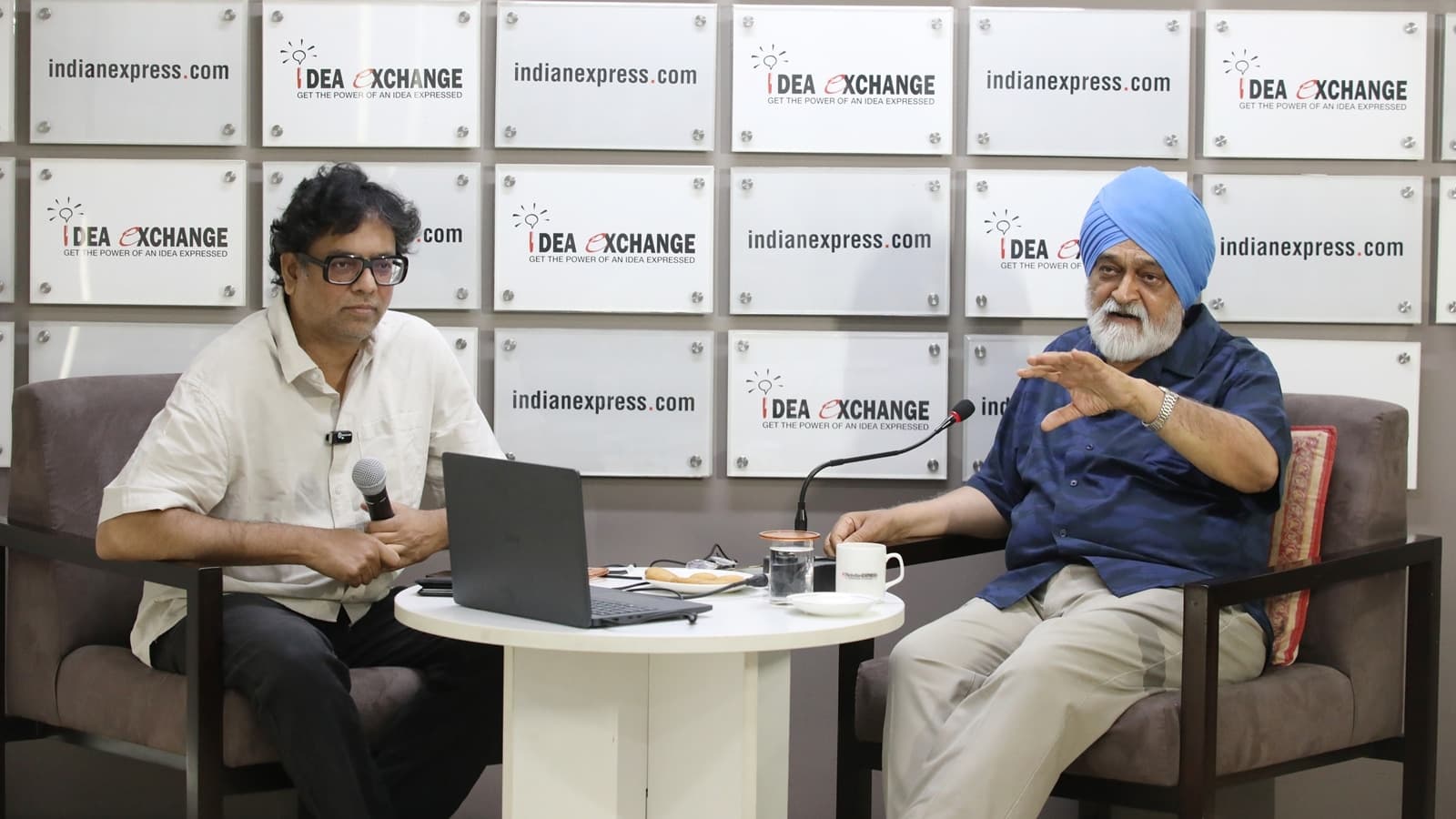
Montek Singh Ahluwalia highlights key economic challenges for India, emphasizing the need for a strategic approach to balance payments and investment.
Indian Express