
Image: Indian Express
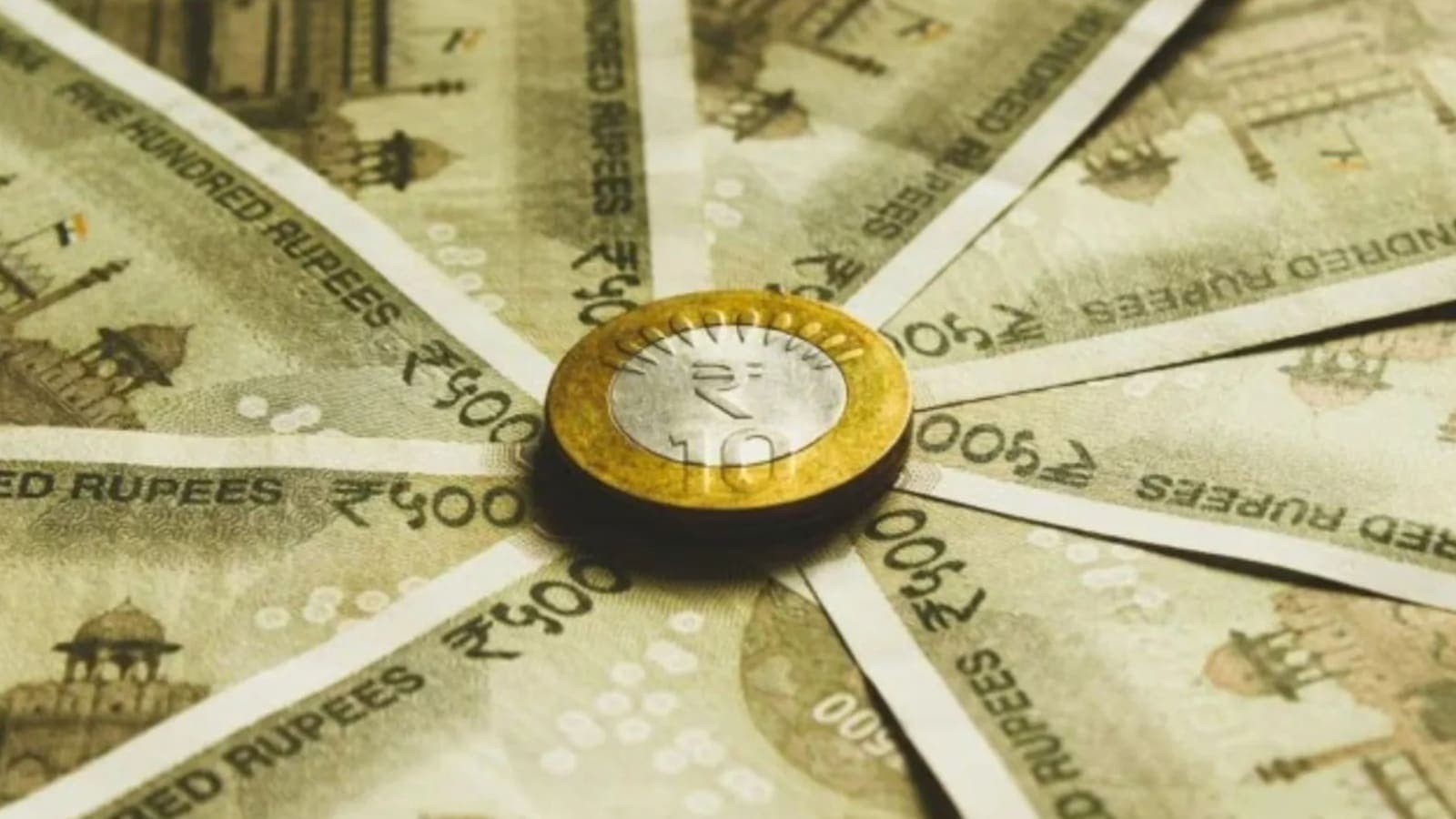
The Indian rupee falls 36 paise to 94.58 as U.S.-Iran tensions escalate, impacting oil prices and currency stability. Learn more about the implications.
GlipzoIn a significant shift, the Indian rupee has fallen 36 paise, now trading at 94.58 against the US dollar in early trading on Friday. This downturn is primarily attributed to escalating hostilities between the United States and Iran, which have raised concerns about the stability of a fragile ceasefire in the region. The recent geopolitical tensions have led to increased volatility in currency markets, impacting the rupee's performance.
The Sensex, one of India's key stock indices, also experienced a dip, declining by 353.50 points to settle at 77,491.02. Similarly, the Nifty index fell 109.25 points, reaching 24,225.20. These declines reflect a broader market reaction to the ongoing geopolitical crisis, which is influencing investor sentiment across various sectors.
The situation has further complicated the economic landscape as oil prices surged on Friday. Following the renewed conflict, Brent crude oil, which had dipped to $96 earlier in the week amid hopes for a diplomatic resolution, has now climbed back above $100, currently trading around $101.50. This increase is primarily due to fears that the geopolitical tensions could disrupt oil supply routes, particularly the crucial Strait of Hormuz, a vital passage for global oil shipments.
Iran's government has accused Washington of breaking a month-long ceasefire, citing retaliatory strikes by the U.S. following Iranian fire directed at American naval vessels. In response, U.S. President Donald Trump reassured that the ceasefire is still intact and indicated that Washington is awaiting a response from Tehran concerning a recent peace proposal. The fluctuating oil prices are likely to have far-reaching implications for the Indian economy, particularly for the rupee's valuation.
Despite various measures implemented by the Reserve Bank of India (RBI) to bolster the rupee, the impact has been minimal thus far. Market analysts suggest that the success of these interventions hinges on stabilizing oil prices and managing related dollar outflows, which have been a persistent challenge.
As oil prices continue to rise, the demand for dollars from importers and refiners is intensifying, further pressuring the rupee. This trend may lead to increased volatility in the currency markets unless oil prices stabilize or the geopolitical situation improves.
Looking forward, the Indian rupee's outlook remains precarious. Analysts will be closely monitoring several factors, including: - Geopolitical stability in the Middle East - Oil price fluctuations, which are directly tied to economic conditions in India - Central bank actions in response to currency pressures
The ongoing U.S.-Iran tensions and their impact on global oil supply chains are critical factors that could dictate the rupee's performance in the coming weeks. Investors and market participants are advised to stay alert to developments in these areas, as they will likely influence both currency valuations and broader market dynamics.
In conclusion, the current geopolitical climate poses significant risks to the rupee, with the potential for further declines if tensions escalate. Observers are urged to keep an eye on oil prices and central bank interventions, as these elements will play a crucial role in shaping the Indian currency's future trajectory.
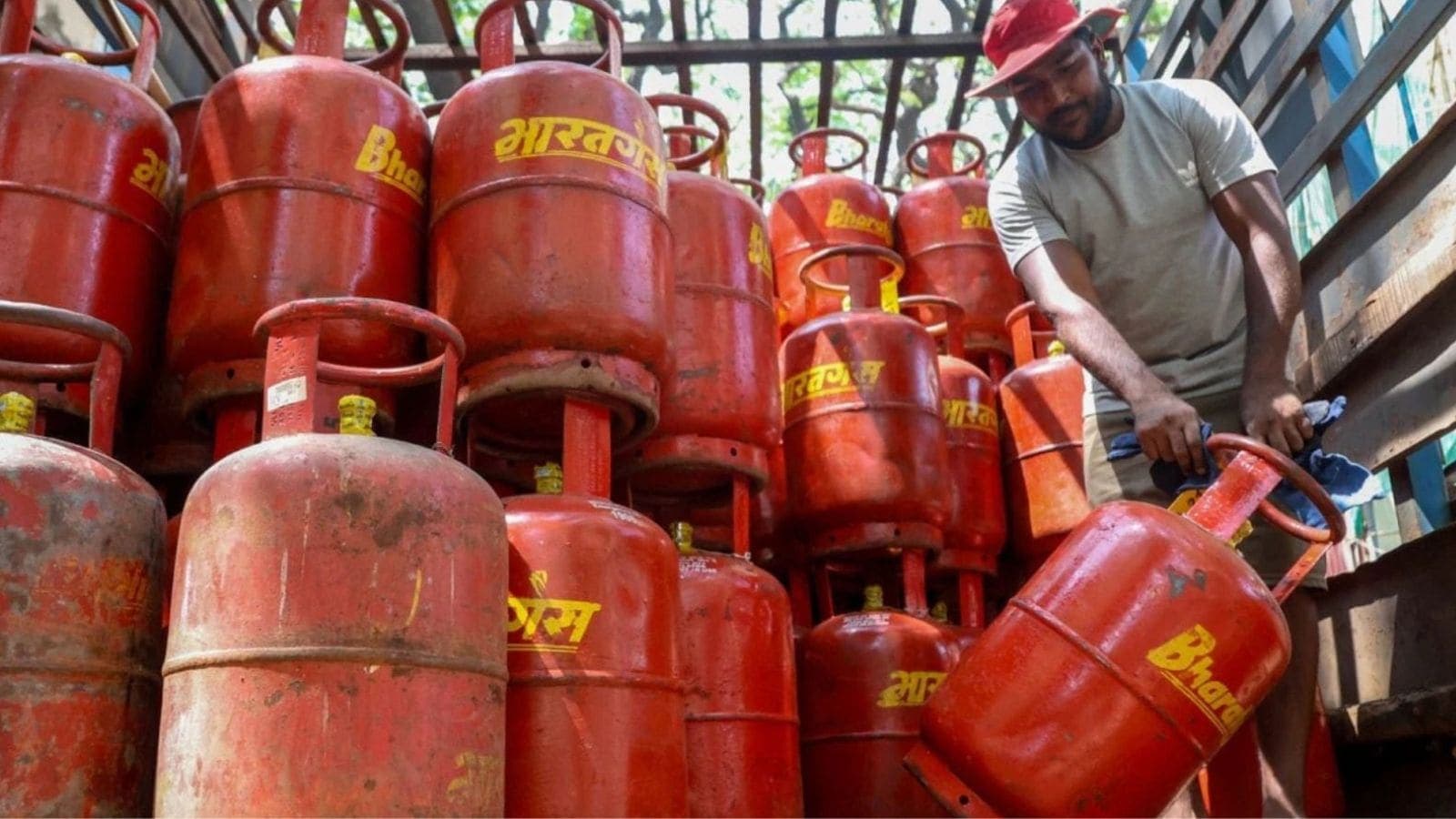
Commercial LPG prices have risen again, with increases of ₹42 in Delhi and ₹53.50 in Kolkata impacting businesses and consumers alike. Find out more.
Indian Express
Discover how a tragic coal mine explosion in Shanxi, China, reveals ongoing safety concerns in the industry amidst a push for green energy.
BBC Business
Montek Singh Ahluwalia highlights key economic challenges for India, emphasizing the need for a strategic approach to balance payments and investment.
Indian Express