
Image: The Hindu
Discover how vertical mobility is reshaping India's urban landscape as cities grow denser and demand for efficient infrastructure increases.
GlipzoFor many years, urban mobility strategies concentrated on minimizing travel distances across cities through the development of roads, metro systems, and public transit corridors. However, as urban areas become more congested and land becomes increasingly scarce, a shift towards vertical mobility is becoming imperative. This shift recognizes that the way people move within buildings and urban infrastructure is just as important as how they traverse the urban landscape itself.
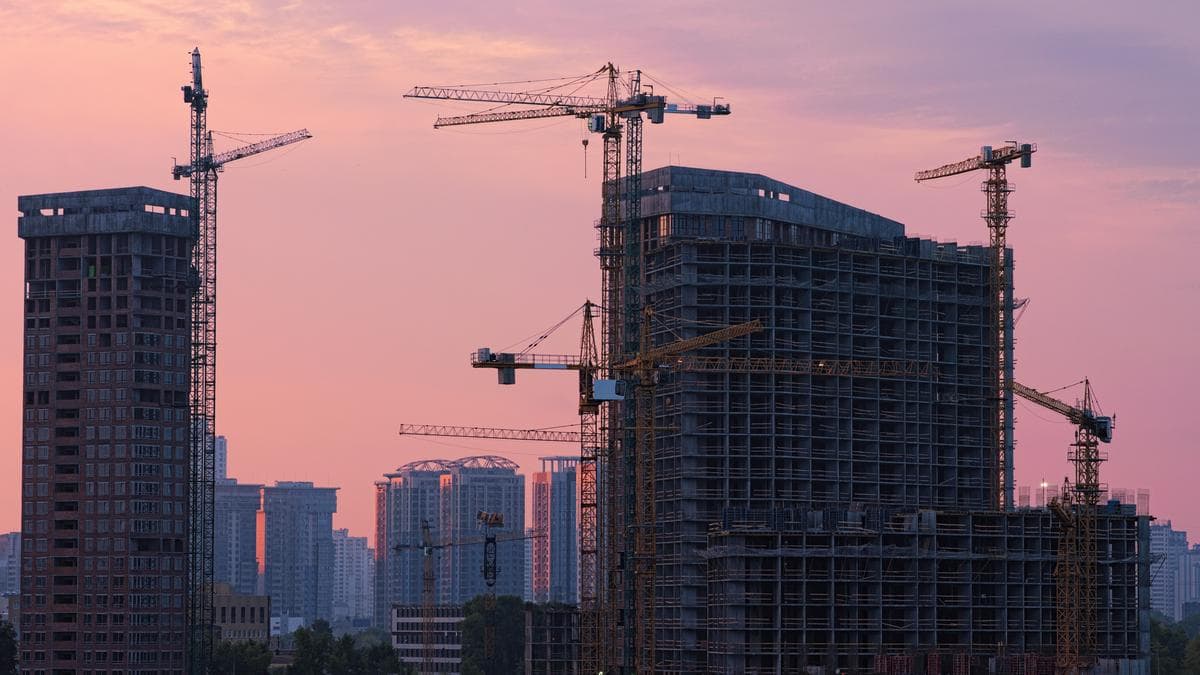
Such constructions enable cities to house more residents and businesses within limited spatial confines, though they also present unique planning challenges. A cluster of high-rise buildings, accommodating hundreds or even thousands of families or workers, essentially operates like a micro-city. Hence, the efficiency of vertical mobility systems—such as elevators, escalators, and smart transportation technologies—becomes critical in determining the viability of this new urban paradigm.
In a world where buildings are becoming taller and more densely populated, the reliability of vertical mobility systems cannot be overstated. Recent technological advancements have paved the way for a proactive approach to managing elevators and escalators. For instance, modern elevators can be outfitted with sensors that track operational patterns, component wear, and usage cycles. This data-driven approach allows service providers to identify potential issues before they escalate into significant disruptions, ensuring seamless movement within these towering structures.
As urban planning evolves to accommodate taller buildings and larger populations, it is imperative that infrastructure planning keeps pace with these developments. Recognizing the essential role of vertical mobility early in the urban planning process will be critical in creating cities that can sustain the economic activities and opportunities that continuously attract people.
As we witness this pivotal transition, the emphasis on vertical mobility will shape the future of urban living in India, offering both challenges and opportunities for residents and city planners alike.

Commercial LPG prices have risen again, with increases of ₹42 in Delhi and ₹53.50 in Kolkata impacting businesses and consumers alike. Find out more.
Indian Express
Discover how a tragic coal mine explosion in Shanxi, China, reveals ongoing safety concerns in the industry amidst a push for green energy.
BBC Business
Montek Singh Ahluwalia highlights key economic challenges for India, emphasizing the need for a strategic approach to balance payments and investment.
Indian Express