
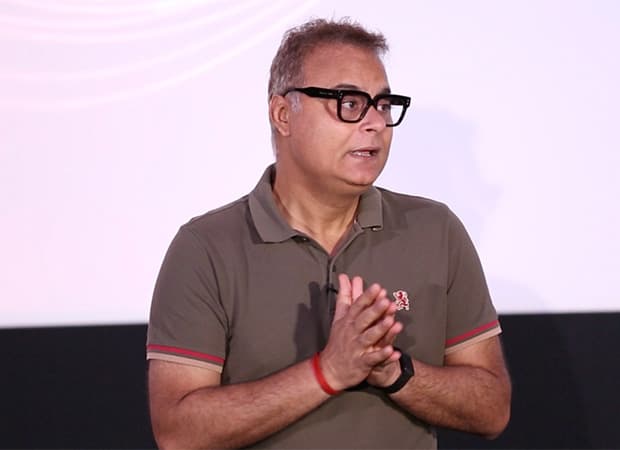
Image: Bollywood Hungama
Discover how AI is reshaping storytelling at Mumbai Tech Week 2026, featuring insights from Neeraj Roy on the future of creative expression.
GlipzoIn a groundbreaking event at the Indian Institute of Creative Technologies (IICT) in Mumbai, Hungama Digital Media Entertainment and IICT hosted the thought-provoking seminar titled “Lights, Camera, Code: The New Storytelling Stack.” This event served as an official satellite gathering during Mumbai Tech Week (MTW) 2026, which is celebrated for its focus on technological advancement and innovation.
Taking place from May 29-30, 2026, at the Jio World Convention Centre, MTW is now in its third iteration, organized by the Tech Entrepreneurs Association of Mumbai (TEAM). The festival, themed “AI in Action,” unites a diverse audience comprised of developers, entrepreneurs, investors, policymakers, and students, all eager to showcase real-world applications of artificial intelligence across various sectors.
During his keynote address at the IICT, Neeraj Roy, the Founder and CEO of Hungama, shared his insights on the future of storytelling, projecting an evolution towards AI-assisted creator ecosystems by the year 2030. He described a new era, which he referred to as an “AI storytelling civilization.” According to Roy, India is poised to lead this transformation due to its young demographic, rich cultural heritage, and increasing adoption of AI technologies.
Roy articulated four critical pillars that will support this new wave of AI-native storytelling: - AI Production Tools: Enabling every creator to function as their own studio. - Global Language Access: Facilitating real-time translations to broaden audience reach. - Participatory Narratives: Transforming traditional storytelling into interactive experiences. - Cultural IP Reimagining: Utilizing AI to innovate and revitalize cultural intellectual property.
In addition to outlining these pillars, Neeraj Roy discussed the 2030 stack that will emerge, which encompasses generative video, autonomous creative agents, narrative intelligence, immersive interfaces, and distribution layers. This framework aims to provide a roadmap for creators and technologists alike.
Commenting on the collaboration with IICT, Roy emphasized, “Mumbai Tech Week is where innovation meets imagination, and there’s no better stage to talk about the future of storytelling. Our partnership with IICT for ‘Lights, Camera, Code’ stems from a belief that the next generation of creators in India will be those who can blend technology seamlessly with narrative.” He stressed the urgency for industry and academia to work together in nurturing this talent, especially as AI and immersive media continue to reshape the entertainment landscape.
Vishwas Deoskar, CEO of IICT, echoed these sentiments. He stated, “For decades, India has exported stories globally through cinema, music, and culture. The next chapter involves exporting the technology and creative talent that will drive storytelling itself. We are crafting an ecosystem where artists, coders, designers, and entrepreneurs collaborate, as the future of entertainment belongs to those capable of merging imagination with intelligence.”
The discussions at the event underscore a significant shift in the entertainment industry, where technology and creativity are becoming increasingly intertwined. The insights shared during “Lights, Camera, Code” reveal the potential for AI to democratize storytelling, allowing a wider array of voices and perspectives to emerge.
As the conversation around AI continues to evolve, industry leaders are recognizing that the tools of storytelling are changing. By embracing AI, creators can craft more engaging narratives that resonate with diverse audiences. This shift not only enhances the artistic process but also opens up new avenues for innovation within the industry.
As we look ahead, several key trends are likely to shape the future of storytelling: - Increased Accessibility: AI tools will become more user-friendly, enabling more creators, regardless of their technical background, to tell their stories. - Personalized Content: AI's ability to analyze audience preferences will lead to more personalized storytelling experiences. - Collaborative Platforms: The rise of platforms that facilitate collaboration between creators and technologists will foster a new wave of innovative projects.
The intersection of storytelling and technology marks a pivotal moment for the entertainment industry. Moving forward, it will be crucial to monitor how these developments unfold and the impact they have on both creators and audiences. With events like Mumbai Tech Week 2026, the future of storytelling appears brighter and more inclusive than ever.
In conclusion, the collaboration between Hungama and IICT during this significant event sets a promising tone for the future of storytelling in India and beyond, inviting all creators to harness the power of AI as they shape their narratives.
Stay tuned for further updates as the landscape of storytelling continues to evolve with technology at its helm.
Nvidia's new RTX Spark chip aims to transform personal computing with AI, marking a significant shift in technology. Discover what this means for consumers.
BBC Business
The explosion of Blue Origin's New Glenn rocket raises significant concerns over NASA's lunar ambitions and the future of Amazon's satellite projects. Discover the implications.
BBC Science
Discover how Meta's lack of engagement on user bans raises critical concerns about accountability and transparency in social media governance.
BBC Technology