
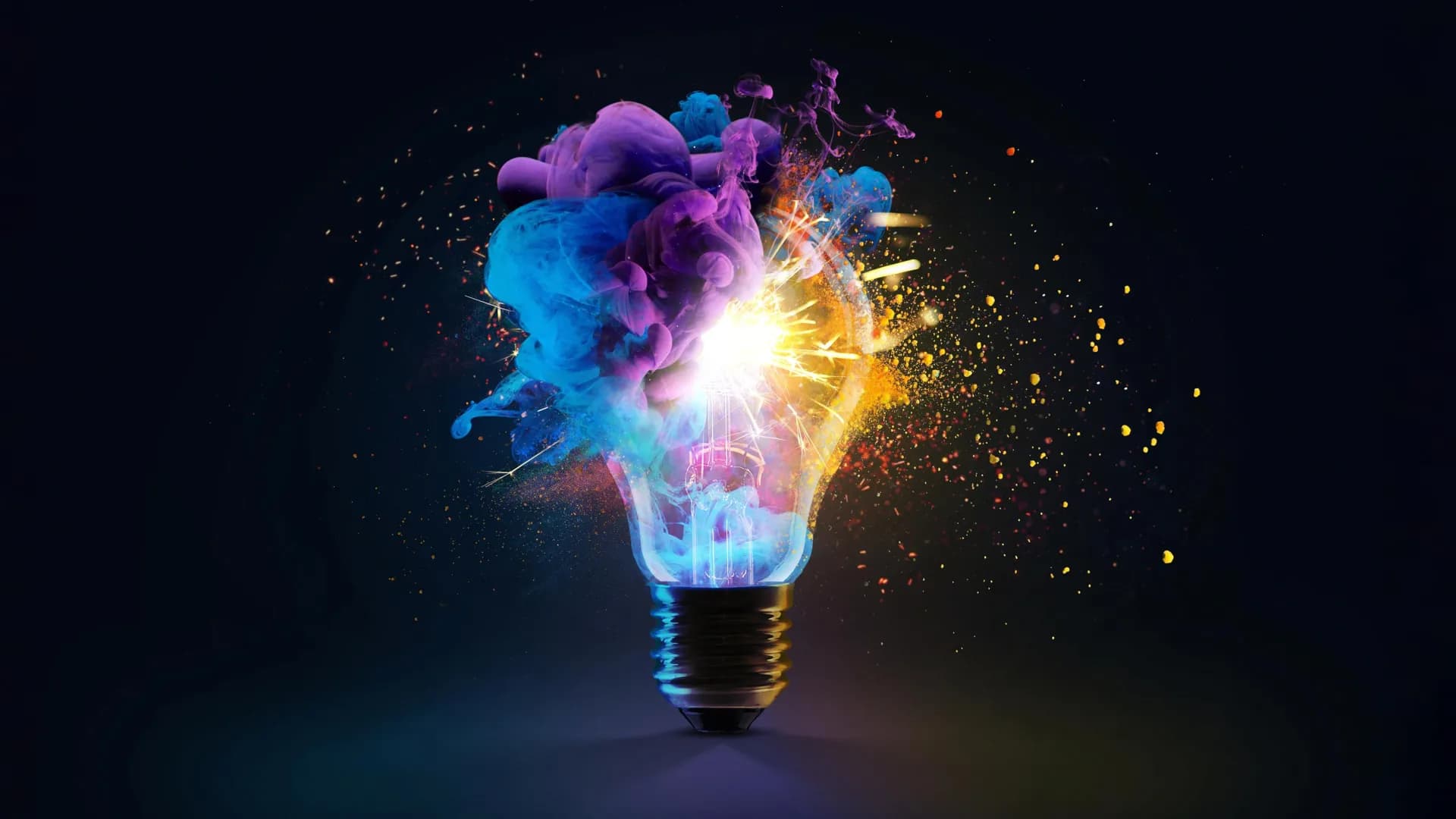
Image: Science Daily
A groundbreaking study reveals that AI can enhance human creativity, serving as a collaborative partner in design rather than a mere productivity tool. Discover how.
GlipzoArtificial intelligence (AI) has often been cast in the role of a job-stealing machine, automating tasks and raising concerns about its impact on human employment. However, a groundbreaking study from Swansea University flips this narrative on its head, revealing that AI can serve as a creative partner, fostering exploration and innovation in ways previously unimagined. This research suggests that rather than just replacing human effort, AI can enhance our creative capacities, making it a vital ally in various fields.
In a large-scale investigation, researchers from Swansea University's Computer Science Department engaged over 800 participants in an online experiment focused on designing virtual cars. This study represents one of the most extensive inquiries into how individuals interact with AI during creative tasks. The participants utilized an AI-supported system that employed a technique called MAP-Elites to generate diverse visual galleries filled with a multitude of design options.
Rather than merely refining designs behind the scenes, the AI showcased a spectrum of possibilities: from highly effective car models to unconventional concepts and even intentionally flawed designs. This approach provided users with a rich palette of ideas, allowing them to explore beyond their initial thoughts.
Dr. Sean Walton, a Turing Fellow and the study's lead author, articulated a significant finding: "People often think of AI as something that speeds up tasks or improves efficiency, but our findings suggest something far more interesting. When people were shown AI-generated design suggestions, they spent more time on the task, produced better designs and felt more involved. It was not just about efficiency. It was about creativity and collaboration." This perspective challenges the conventional view of AI as a mere tool for productivity.
The implications of this research are profound. Participants who engaged with the AI's suggestions reported enhanced involvement and creativity, indicating that AI can stimulate deeper engagement in the creative process. This shift in perspective is crucial as we consider the future roles of AI in various industries.
The findings, published in the ACM journal Transactions on Interactive Intelligent Systems, also shed light on the limitations of traditional evaluation methods for AI design tools. Standard metrics often emphasize basic user interactions, like the frequency of clicks or the number of AI suggestions utilized. According to the researchers, such measures fail to capture the comprehensive impact of AI on user experience, including emotional engagement and cognitive exploration.
To fully understand the influence of AI on creativity, the study advocates for broader evaluation methods that consider how these technologies shape human thought processes and their willingness to innovate. This could lead to improved AI systems that not only assist in design but also inspire and elevate human creativity.
Dr. Walton highlighted an unexpected yet crucial aspect of the study: the role of diversity in AI-generated designs. He stated, "Our study highlights the importance of diversity in AI output. Participants responded most positively to galleries that included a wide variety of ideas, including bad ones! These helped them move beyond their initial assumptions and explore a broader design space. This structured diversity prevented early fixation and encouraged creative risk-taking."
This insight challenges the traditional notion that only optimal solutions are valuable in creative endeavors. Instead, the inclusion of a range of ideas—good, bad, and everything in between—can spark innovation and push individuals to think outside the box.
As AI technology continues to evolve and find its way into creative sectors such as engineering, architecture, music, and game design, understanding the dynamics of human-AI collaboration becomes increasingly important. The key question is not merely what AI can accomplish, but how it can facilitate better thinking, creation, and collaboration among humans.
The study from Swansea University opens the door to a new understanding of AI's role in creativity. By embracing the potential of AI as a creative collaborator rather than a competitor, industries can harness its capabilities to enhance human creativity and innovation.
The implications of this research reach far beyond the confines of design. As AI systems become integral to various industries, recognizing their potential to boost human creativity could lead to a paradigm shift in how we work. This study challenges organizations to rethink how they integrate AI into their creative processes, fostering environments where human and machine collaboration thrives.
The future holds exciting possibilities as we explore the synergy of AI and human creativity. As AI continues to develop, we can anticipate even more innovative collaborations that challenge our perceptions of creativity and redefine the boundaries of human potential.
Nvidia's new RTX Spark chip aims to transform personal computing with AI, marking a significant shift in technology. Discover what this means for consumers.
BBC Business
The explosion of Blue Origin's New Glenn rocket raises significant concerns over NASA's lunar ambitions and the future of Amazon's satellite projects. Discover the implications.
BBC Science
Discover how Meta's lack of engagement on user bans raises critical concerns about accountability and transparency in social media governance.
BBC Technology