Discover the revival of Rajasthani cuisine with the launch of 'Relishing Rajasthan'—a captivating cookbook that celebrates authentic flavors and traditions.
Rediscovering Rajasthani Flavors
Pratibha Jain, in her reflections during the launch, described **Relishing Rajasthan** as a project that was long overdue. Growing up surrounded by Rajasthani cuisine made it seem ordinary, she confessed. "For me, Rajasthani food was comfort food. I never really paid attention to it, and never saw how special it was," Pratibha shared. It was only during her collaboration with Chef Sameer that she realized the depth and variety of her homeland's culinary traditions. "It felt like rediscovering home," she added, highlighting how the process of creating the book opened her eyes to the uniqueness of familiar dishes.
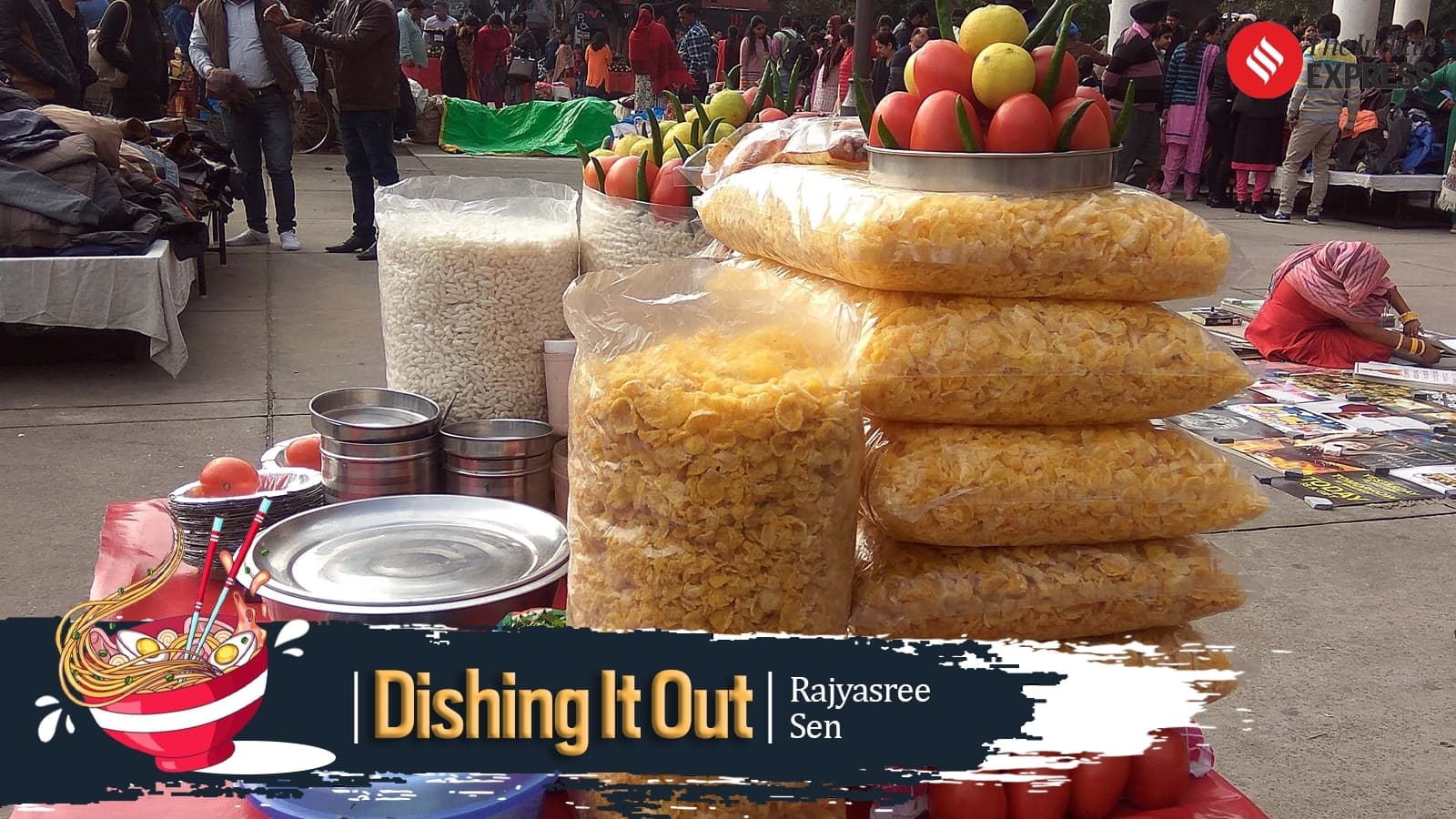
In contrast, Chef Sameer, who is not originally from Rajasthan, embarked on his culinary journey through home kitchens rather than formal culinary schools. His unique perspective allowed him to appreciate the everyday creativity involved in preparing Rajasthani dishes. He emphasized that the book aims to showcase the ingenuity of transforming simple pantry staples like papad and bhujia into exquisite meals, without compromising the authenticity of the cuisine. "I met Pratibha ji in Bangkok while catering for a destination wedding. When she suggested we collaborate, it felt like the perfect opportunity to share the flavors of Rajasthan," he explained. This endeavor has been a labor of love, taking over three years to bring to fruition.
A Deep Dive into Rajasthani Vegetarian Traditions
The cookbook draws heavily from Rajasthan's vegetarian culinary traditions, particularly the **Oswali Jain cuisine of Shekhawati**. This style is deeply influenced by community knowledge and the diverse food cultures of Rajasthan, reflecting Chef Sameer's extensive travels. During the launch, he captivated the audience with a live demonstration of a few dishes, including **baati**, a crispy snack, and **anggoor ki launji**, a sweet-sour grape chutney that perfectly balanced flavors. The attendees were actively engaged, asking questions and sharing their own cooking experiences, which created a warm and interactive atmosphere.
An Exquisite Four-Course Dining Experience
Following the engaging discussions, guests were treated to an extravagant **four-course meal** that showcased the very essence of Rajasthani cuisine. The culinary experience kicked off with small bites of **jhol ki pakodi** and **tanatan kofta**, complemented by a vibrant green chutney. The first course featured the classic dish **dal baati churma**, which included a medley of **panchmel dal**, **home-style gatta**, and crispy **baati**, all enhanced by spicy **mirch ke tipore** and a refreshing **kachumbar salad**. Pratibha mingled with guests, sharing tips on how to savor these traditional dishes.
The second course introduced the Bikaneri course, highlighting the comforting gehun ka kheech (wheat porridge), along with imliana (tamarind-spiced water) and aakhi badi ki sabzi, a dish made from ground lentils, all generously drizzled with ghee. To cleanse the palate, a guava salad, known as amrood ki dilawari, was served, offering a refreshing contrast between courses.
A Flavorful Finale
The culinary journey continued with the third course featuring **makki ka dhokla**, paired with **lahsun tamatar ki chutney** and **fogla ka raita**. The steamed corn cakes were rich with ghee, while the spicy garlic chutney and the native grain raita created a perfect harmony of flavors. The final course transported diners to **Mewadi**, featuring **gauri moth ka pulav**, complemented by **rajwadi pakoda kadhi** and crispy **dhungari papad choori**. This hearty dish, infused with aromatic spices, left a lasting impression on the guests.
To conclude this extravagant meal, dessert offered jhajhariya, a delicious, coarse sweet made from roasted ghee, rounding off an unforgettable experience.
What’s Next for Rajasthani Cuisine?
Looking ahead, the success of this cookbook could pave the way for more initiatives focused on regional Indian cuisines. As more people become interested in authentic culinary experiences, there is an opportunity for chefs and home cooks alike to showcase their heritage. The book serves as both a guide and inspiration for culinary enthusiasts to delve into the rich flavors and history of Rajasthani food. Potential future collaborations and culinary events may arise as the interest in regional cuisines continues to grow, allowing for a broader conversation about the importance of food in cultural identity.