
Image: BBC Business
Discover how India's silk industry is evolving through innovation, technology, and the inspiring journey of Dr. Jolapuram Umamaheswari in sericulture.
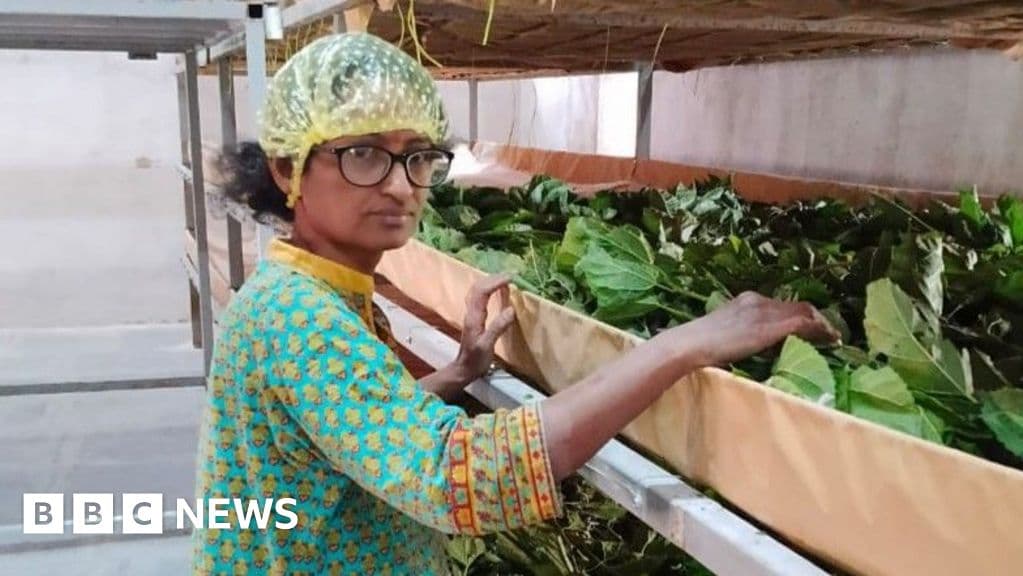
GlipzoDr. Jolapuram Umamaheswari, a former scientist who relocated from Singapore to India six years ago, found herself at a crossroads. She was determined to become her own boss after returning home. "When I came back to India, I was jobless but I wanted to be my own boss," she reflects. After extensive research, she discovered the world of silk farming, known as sericulture. This intricate process involves nurturing silkworms with mulberry leaves, harvesting their cocoons, and extracting valuable silk fibers.
Umamaheswari describes her transition: "Silk farming sits at a rare intersection of biology, precision, and business. It didn't feel like I was leaving science; it felt like I was applying it differently." However, her journey was not without its obstacles.
The initial phase of her silk farming venture was fraught with challenges. "The early days were not easy. There were disease outbreaks, inconsistent yields, and the steep learning curve that comes with managing living systems," she recalls. Yet, her scientific expertise played a crucial role in overcoming these hurdles.
As she implemented small changes in hygiene practices, feeding schedules, and environmental controls, she began to see improvements. "Over time, small improvements in hygiene, feeding practices, and environmental control began to compound into better survival rates and higher-quality cocoons," Umamaheswari says.
Today, her farm in Andhra Pradesh produces an impressive 10 crops of raw silk annually, with each batch taking about 25 to 30 days to mature. She earns approximately $1,000 (£760) monthly, which she describes as a steady, salary-like income. "That's what makes sericulture unique. If managed well, it gives you regular returns, not just seasonal income," she emphasizes.
Krishna Tomala, the founder of Asho Farms, highlights the ongoing transformation within the silk industry. "Modern sericulture is currently undergoing a massive digital and biotechnological shift," he asserts. Asho Farms has pioneered innovations from producing silkworm eggs to supplying larvae and rearing cocoons, integrating cutting-edge technology throughout the supply chain.
"A silkworm grows nearly a thousand times in just 25 days. But its success depends completely on temperature, humidity, and good-quality leaves," Tomala explains. Previously, these environmental factors were monitored manually, but advancements now involve sensors and automated systems that regulate fans, heaters, and humidifiers to maintain optimal conditions.
Furthermore, AI technology is revolutionizing crop management at Asho. "I use computer vision and machine learning. Cameras can detect early signs of diseases in silkworm larvae with over 99% accuracy, which helps us remove infected worms before the entire lot is compromised," Tomala notes.
India ranks as the world's second-largest producer of silk, trailing behind China, which holds a dominant position in the market. However, India boasts an unmatched variety of silk products, including four commercial types: Mulberry, Tasar, Eri, and Muga.
According to Manthira Moorthy, a director at the Central Silk Board, "India is the only country in the world where all four commercial varieties of silk are available. Muga silk, in particular, is unique to India, primarily found in Assam and Meghalaya." This diversity underscores India's rich cultural heritage and economic potential in the silk sector.
Looking ahead, the Indian silk industry is exploring new frontiers. Manipulating the DNA of silkworms is paving the way for more robust varieties. "We have entered a new era of research focusing on genome editing. In collaboration with international partners like Japan, we have developed disease-resistant silkworm varieties," Moorthy states.
Additionally, the Central Silk Board is examining the utilization of by-products from the silk production process. For instance, dried silkworm pupae, a by-product of silk extraction, is rich in protein and is being repurposed as feed for poultry and fish. This innovative approach not only minimizes waste but also adds value to the silk production ecosystem.
Satheesh Kannur, who specializes in converting cocoons into raw silk yarn—a process known as reeling—is witnessing the transformation of this traditional craft. With a majority of the work now performed by machines, the efficiency of silk production has dramatically increased. "One machine can produce between 50kg and 60kg of raw silk daily," Kannur highlights.
He emphasizes that technology is reshaping silk reeling from a slow, manual craft into a fast, precision-driven industry. Furthermore, the integration of solar power is enhancing sustainability within the sector. However, Kannur expresses concerns about the industry's future, particularly regarding environmental impacts and market competition.
The resurgence of India's silk industry is not just an agricultural success story; it's a vital part of the nation's economic fabric. The advancements in sericulture reflect a blend of tradition and innovation, showcasing how technology can enhance age-old practices. As the industry evolves, it holds the potential to create jobs, empower rural communities, and preserve cultural heritage.
As the Indian silk industry stands on the brink of transformation, stakeholders are keenly observing the developments in biotechnology and sustainable practices. The integration of AI, genomics, and innovative by-product utilization could set the stage for a resilient future. Industry leaders like Umamaheswari, Tomala, and Moorthy are at the forefront of this evolution, steering India’s silk sector toward new heights.
The future of sericulture in India promises not only economic growth but also a reaffirmation of the country's rich heritage. As technology continues to play a pivotal role, the silk industry may well become a model for agricultural innovation in the 21st century.
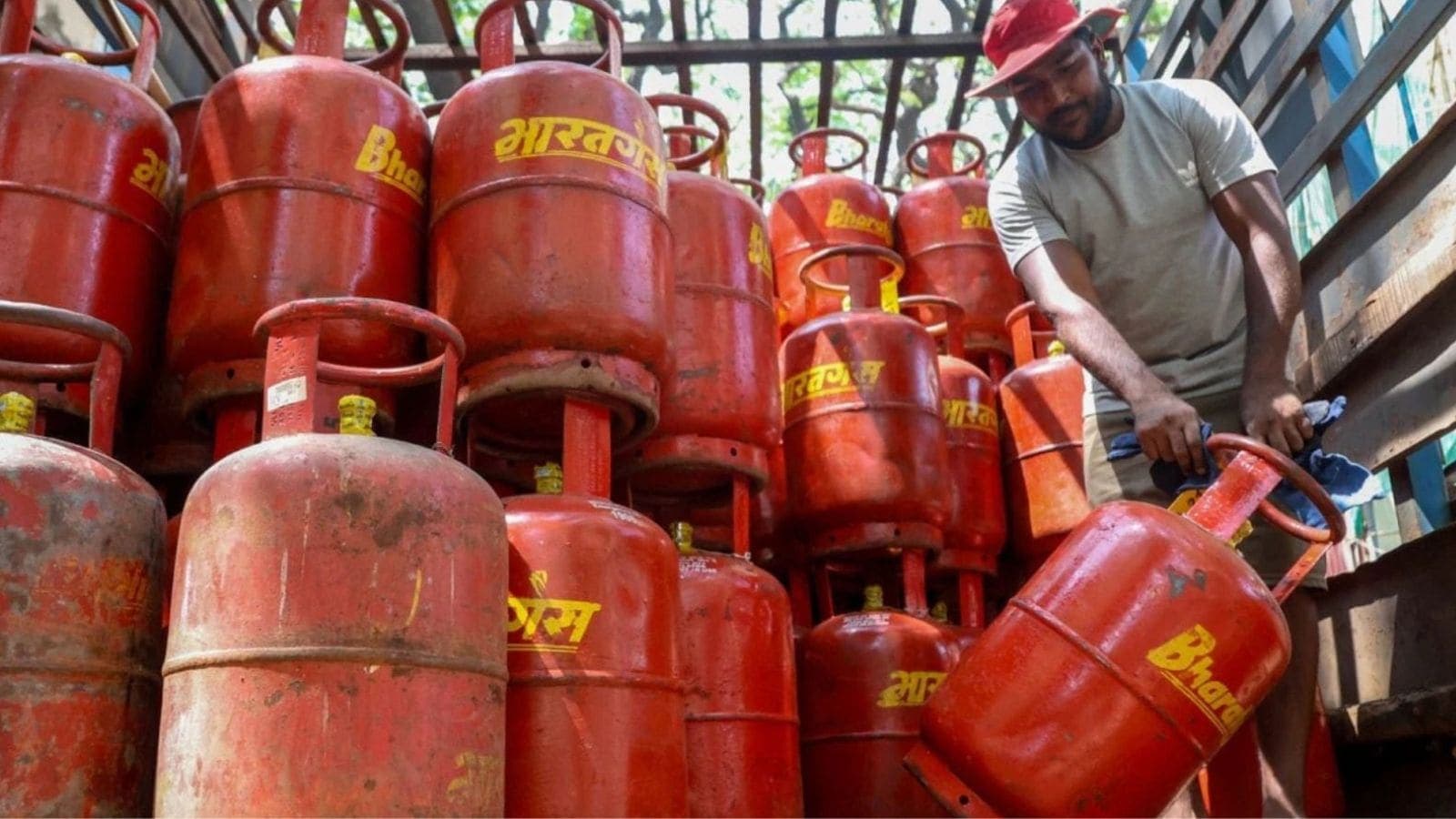
Commercial LPG prices have risen again, with increases of ₹42 in Delhi and ₹53.50 in Kolkata impacting businesses and consumers alike. Find out more.
Indian Express
Discover how a tragic coal mine explosion in Shanxi, China, reveals ongoing safety concerns in the industry amidst a push for green energy.
BBC Business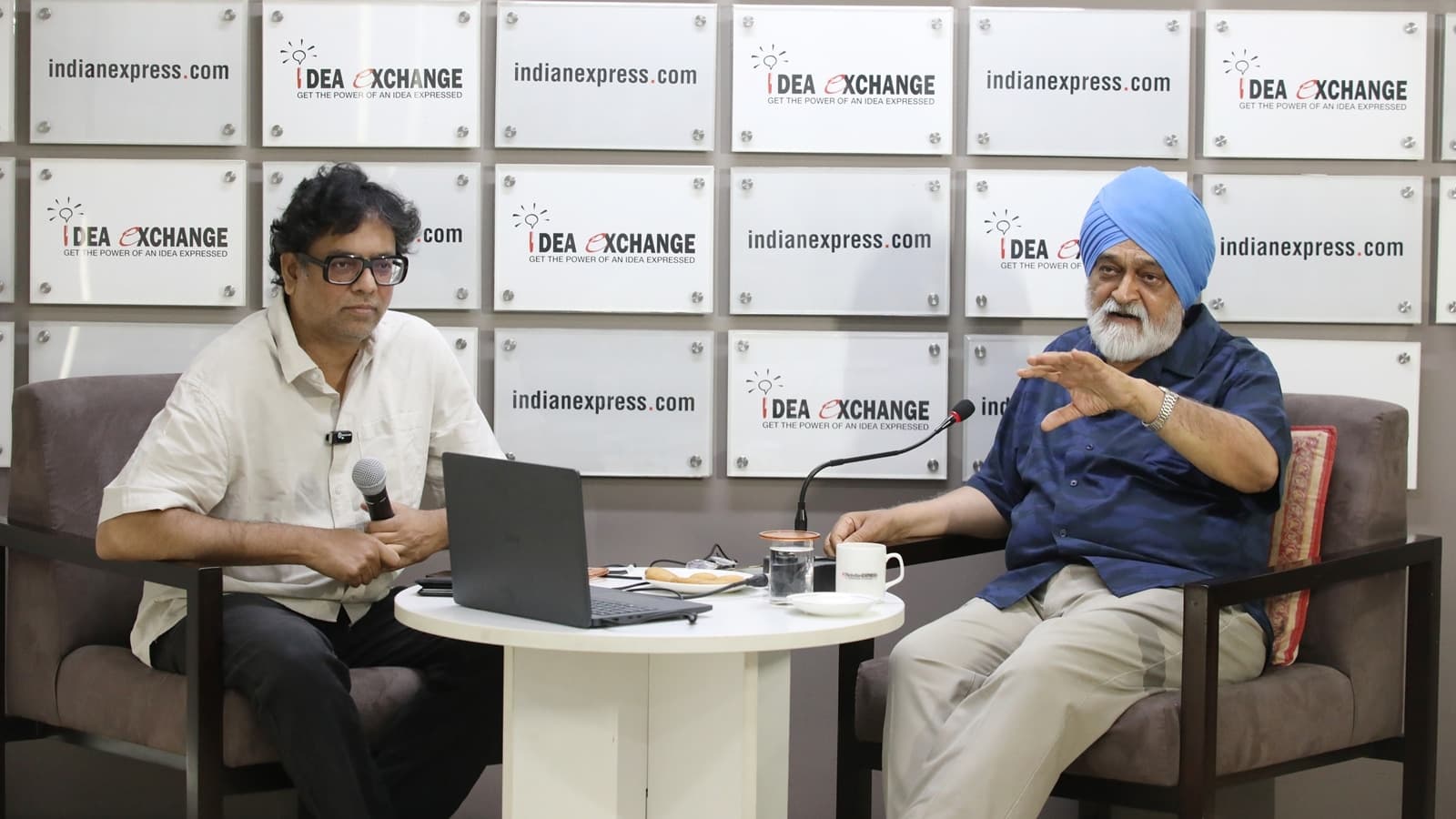
Montek Singh Ahluwalia highlights key economic challenges for India, emphasizing the need for a strategic approach to balance payments and investment.
Indian Express