
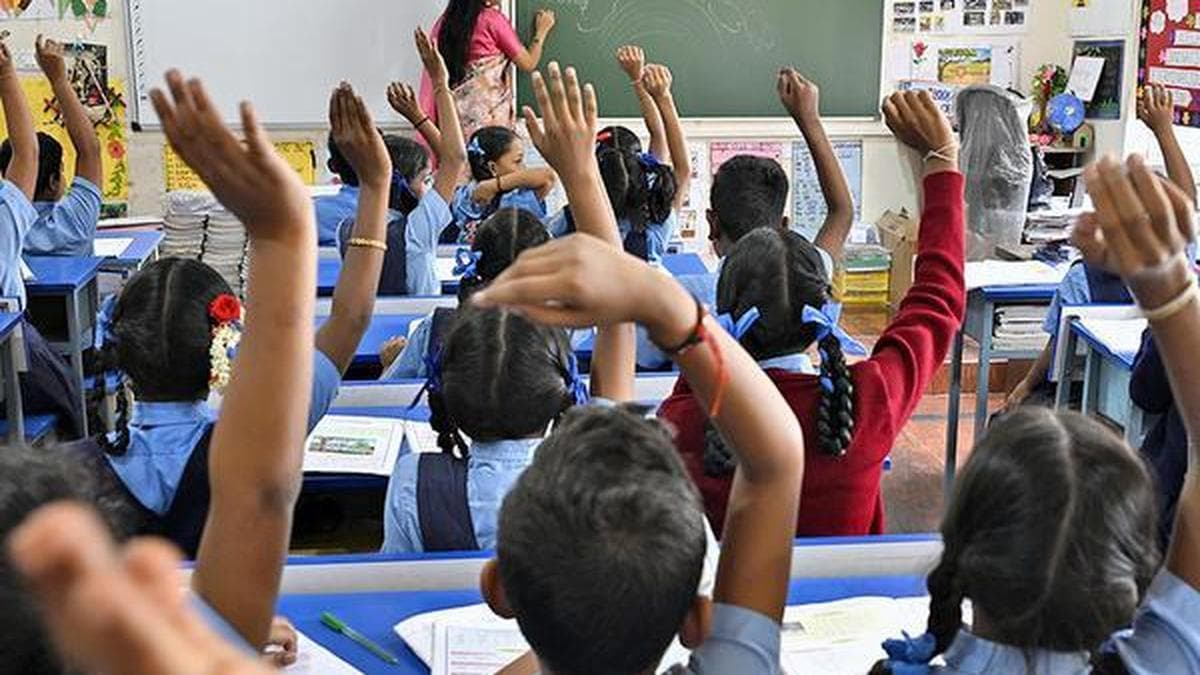
Image: The Hindu
Karnataka's Revenue Department denies blanket exemption for women teachers over 50 from SIR and census duties, igniting concerns over health and workload.
GlipzoIn a significant decision, the Revenue Department of Karnataka has announced that there will be no blanket exemption for women teachers aged 50 and above from participating in the upcoming Special Intensive Revision (SIR) and the National Census-2027. This decision comes in response to a proposal submitted by the Department of School Education and Literacy (DSEL), which sought to relieve these educators from duties that many believe could jeopardize their health and well-being.
On March 22, 2026, Munish Moudgil, the Principal Secretary of the Revenue Department, clarified that while local officials, such as Deputy Commissioners and Municipal Commissioners, retain the authority to make decisions based on available resources, any exemptions that might hinder the execution of the SIR and census cannot be entertained. Moudgil urged district officials to communicate their determinations to the government to ensure transparency and coordination.
The Revenue Department's response follows concerns raised by various teachers’ associations about the implications of requiring senior female educators to undertake these duties. They argue that the dual demands of the SIR and the census could place undue stress on older teachers, especially given the timing of these events during the intense summer months.
Many educators are worried about the physical toll that conducting the SIR and census in extreme heat may have on their health. A senior teacher from a government school in Bengaluru expressed her apprehension, noting that several teachers have unfortunately lost their lives during previous SIR exercises in other states. "The decision to carry out both the census and SIR in the scorching summer is alarming. Many teachers above 50 already face serious health issues. The workload will only increase as schools will reopen soon after these duties are completed, leaving no time for recovery," she emphasized.
In light of these concerns, teachers plan to meet with Madhu Bangarappa, the School Education and Literacy Minister, to reiterate their request for a blanket exemption for women teachers over 50. The emotional strain and potential health risks associated with these obligations are central to their appeal.
Chandrashekara Nuggali, the president of the Government Primary School Teachers’ Association, echoed the sentiments of many educators. He criticized the continual burden placed on teachers, who are often tasked with various non-teaching duties such as elections and census work. "There are sufficient 'C' group employees across various government departments who can be enlisted for these tasks, allowing teachers to focus on their primary responsibilities," he suggested.
Nuggali's association plans to engage directly with Moudgil to advocate for a reconsideration of the recent directives issued to district officials regarding the census and SIR duties. The teachers’ associations are rallying support to ensure that the voices of their members are heard and considered before these significant events unfold.
The decision by the Revenue Department reflects a broader issue regarding the treatment and workload of educators, particularly those in vulnerable age groups. It raises important questions about the balance between civic duties and the health and safety of those expected to fulfill them. The implications of this decision extend beyond just the immediate responsibilities of teachers; it highlights the need for systemic changes to ensure that educators are not overburdened, especially during critical periods.
Furthermore, the upcoming SIR and census are crucial for planning and resources allocation in the state. Ensuring that these processes are conducted smoothly, without compromising the well-being of those involved, is essential for effective governance.
As the situation unfolds, educators will be closely monitoring the responses from government officials regarding their requests for exemption. It will be worth observing whether there will be any adjustments made to the responsibilities assigned to teachers, especially as discussions progress between teachers’ associations and government representatives.
Additionally, the response from the community and any subsequent actions taken by the School Education and Literacy Department will be pivotal. The upcoming meetings between teachers, their associations, and government officials could potentially reshape the landscape of educational responsibilities in Karnataka.
In summary, the refusal to exempt women teachers above 50 from SIR and census duties raises critical concerns about educator welfare, civic responsibility, and the need for a more equitable distribution of work within schools. The outcome of this issue may have lasting implications on how educational institutions approach non-teaching responsibilities in the future.
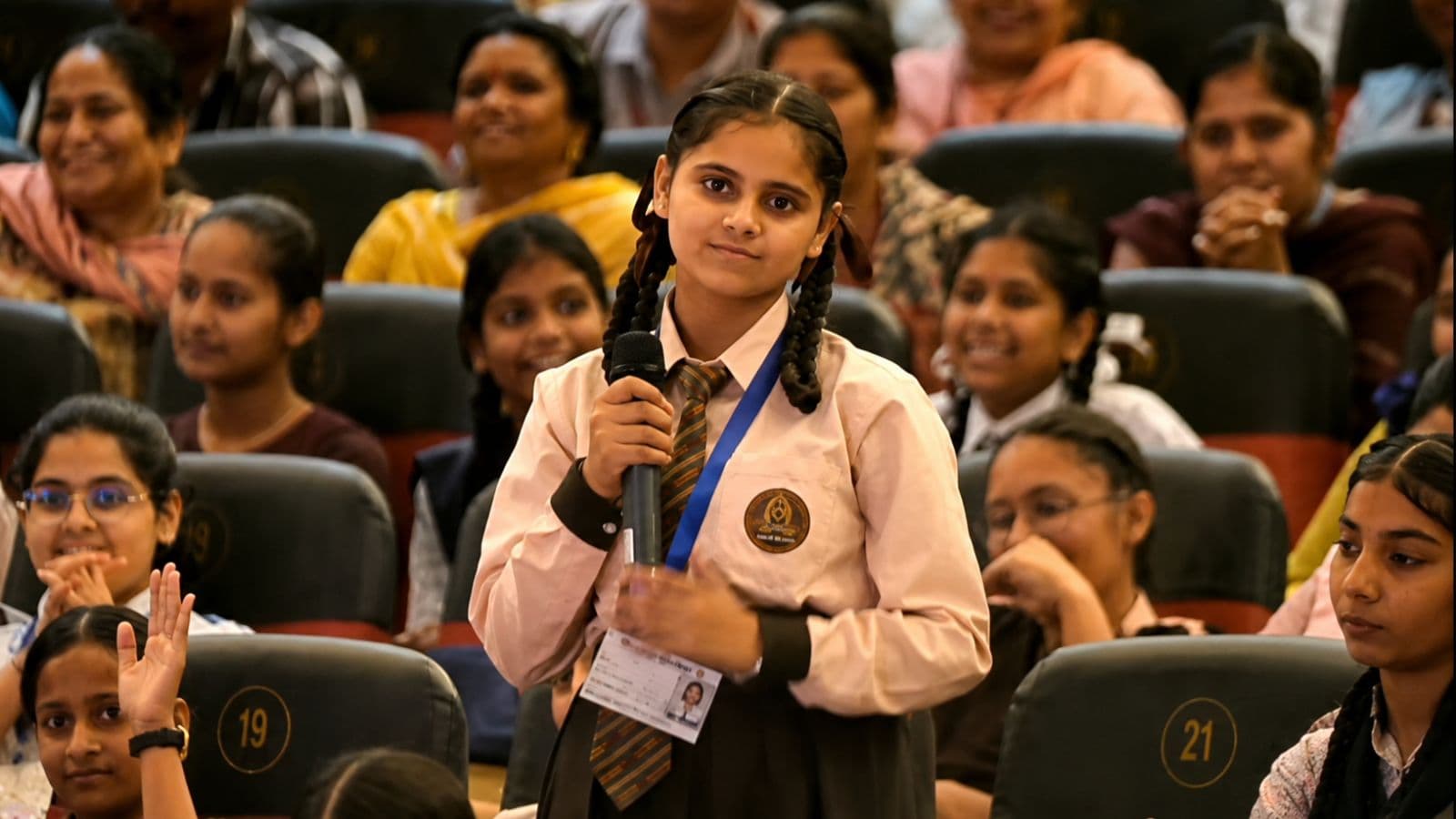
Amritsar student questions age-based ranking, prompting Punjab CM to reform PSEB policies. A significant change towards merit-based recognition is underway.
Indian Express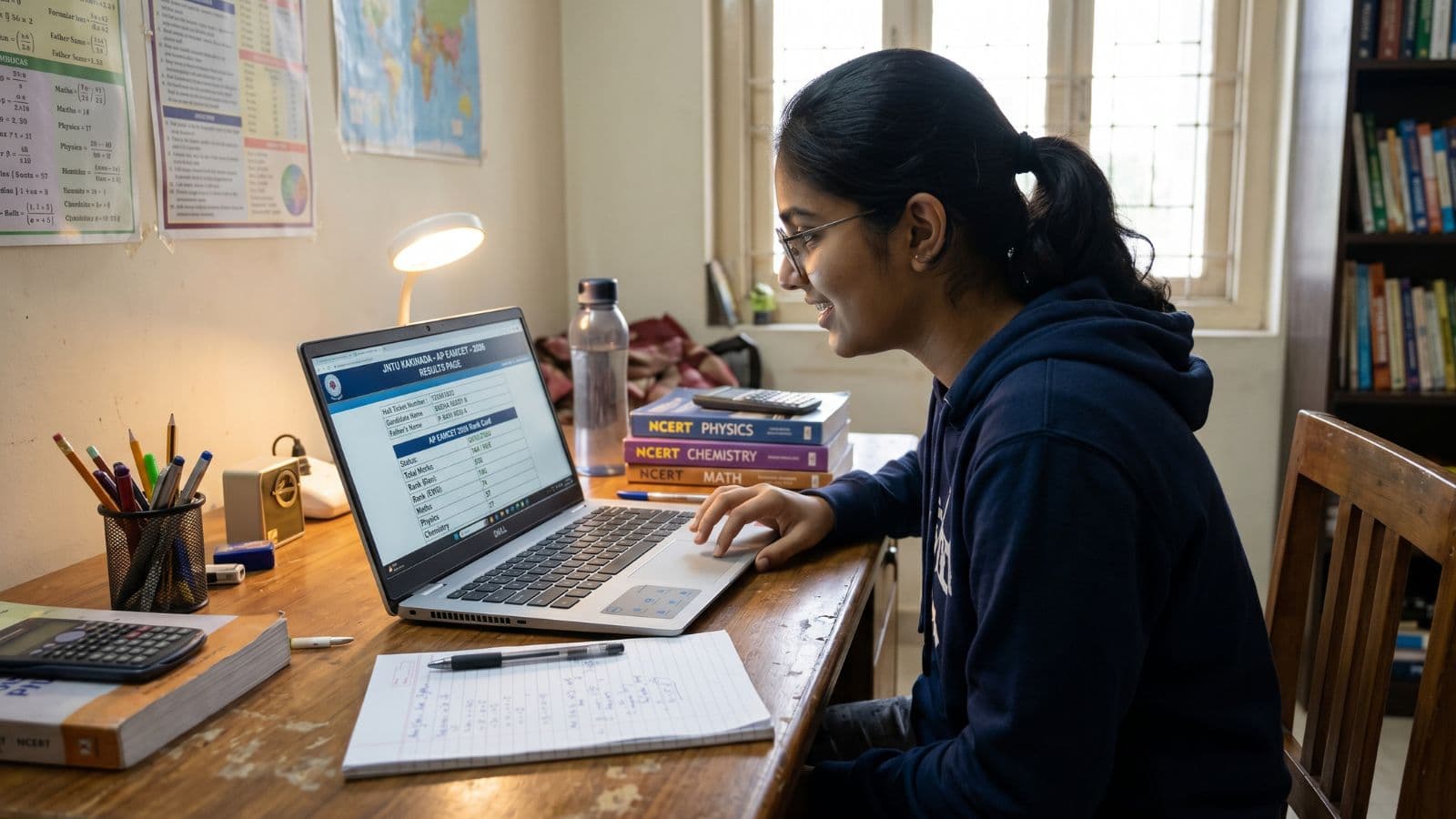
AP EAMCET 2026 results are out! Discover how to check your scorecard and navigate the upcoming counselling process for college admissions.
Indian Express
CBSE's new OSM system faces backlash as students struggle with re-evaluation. Will their futures be jeopardized by technical flaws?
Indian Express