

Image: BBC Business
Sweden's schools are moving away from digital tools to focus on books and writing, aiming to improve literacy. What does this mean for the future of education?
GlipzoIn a bold move, Sweden's government is shifting focus back to traditional learning methods, emphasizing the use of physical books, paper, and pens in classrooms. This decision aims to combat the troubling decline in literacy rates observed in recent years. As technology becomes ever-present in education, this recalibration raises eyebrows among educators and tech advocates alike, who fear it may hinder students’ future job opportunities and impact the economy.
At a high school located in Nacka, a suburb of Stockholm, final-year students are now seen unpacking their laptops alongside what they describe as increasingly neglected items from previous years - books and papers. Sophie, an 18-year-old student, notes, "I now go home from school with new books and papers often." She points out a significant change in their educational approach, with one teacher opting to print all lesson materials instead of relying on digital platforms, particularly in their mathematics classes.
The integration of laptops into Swedish classrooms began around the late 2000s, with their prevalence rising significantly in the early 2010s. By 2015, approximately 80% of students in municipal high schools had their own digital devices, reflecting Sweden’s reputation as a tech-savvy nation. In 2019, the previous Social Democrat-led government mandated the use of tablets in pre-schools to prepare young learners for a future dominated by technology.
However, the political landscape changed in 2022 when a right-wing coalition took power. This new administration is steering educational practices in a drastically different direction, as expressed by Joar Forsell, an education spokesperson for the Liberal party. Forsell stated, "We’re trying, actually, to get rid of screens as much as possible. With higher ages in school you might use them a little bit more, but with lower ages, or in school, I don’t think we should use screens at all."
The government has adopted the catchy slogan "från skärm till pärm", which translates to "from screen to binder" in English. This phrase encapsulates their vision for a classroom devoid of digital distractions, promoting an environment where students can concentrate better and enhance their reading and writing skills. Starting in 2025, pre-schools will no longer be required to utilize digital tools, and children under the age of two will not be provided with tablets. A ban on mobile phones in schools is also set to take effect later this year, even for educational purposes.
To support this transition back to traditional learning, schools have been allocated more than 2.1 billion krona (approximately $200 million) to invest in textbooks and teacher guides. A new curriculum that emphasizes textbook-based learning is expected to roll out by 2028.
Supporters of this shift, including Forsell, argue that engaging with "real books and writing on real paper" is essential for equipping children with the knowledge they need. This shift comes on the heels of a 2023 consultation involving academic researchers, teaching organizations, public agencies, and municipalities.
Dr. Sissela Nutley, a neuroscientist from the Karolinska Institute in Stockholm, highlights concerns regarding the disruptive nature of technology in classrooms. She explains that students can easily lose focus by observing their peers on screens, and points to international research suggesting that reading on digital devices can complicate information processing. Furthermore, excessive screen use might adversely affect younger students' brain development.
The government’s redirection towards traditional educational methods is also motivated by a desire to improve Sweden's performance in the PISA rankings, a significant benchmark published by the Organisation for Economic Co-operation and Development (OECD) that assesses students' abilities in core subjects. Sweden, once a strong performer, saw a decline in scores beginning in 2012, with another significant drop in maths and reading recorded in 2022. While Sweden remains slightly above the OECD average, the government's renewed focus on conventional learning tools reflects an urgency to enhance educational outcomes.
The implications of Sweden's shift from digital to traditional learning extend beyond classroom dynamics. This policy change is reflective of broader societal concerns regarding technology’s role in education and its potential long-term effects on young learners. Critics argue that while this approach may improve short-term literacy, it risks leaving students ill-prepared for a digital future where technology is a vital component of most careers.
As educational institutions navigate this significant transition, stakeholders will be watching closely to see how these changes affect student performance, engagement, and future employment prospects. The success of this initiative could set a precedent in educational reform, either reinforcing the value of traditional methods or highlighting the need for a balanced approach between digital and analogue tools.
As Sweden embarks on this educational journey back to basics, several key factors will determine its effectiveness: - Monitoring Literacy Rates: Will this shift result in an upward trend in literacy levels? - Impact on Student Engagement: How will students adapt to less technology in their learning environment? - Future Curriculum Changes: Will the new curriculum truly reflect the needs of modern education?
In the coming years, it will be crucial to assess the long-term outcomes of this educational pivot, not only for Sweden but also as a potential case study for other nations grappling with the digital versus traditional teaching debate.
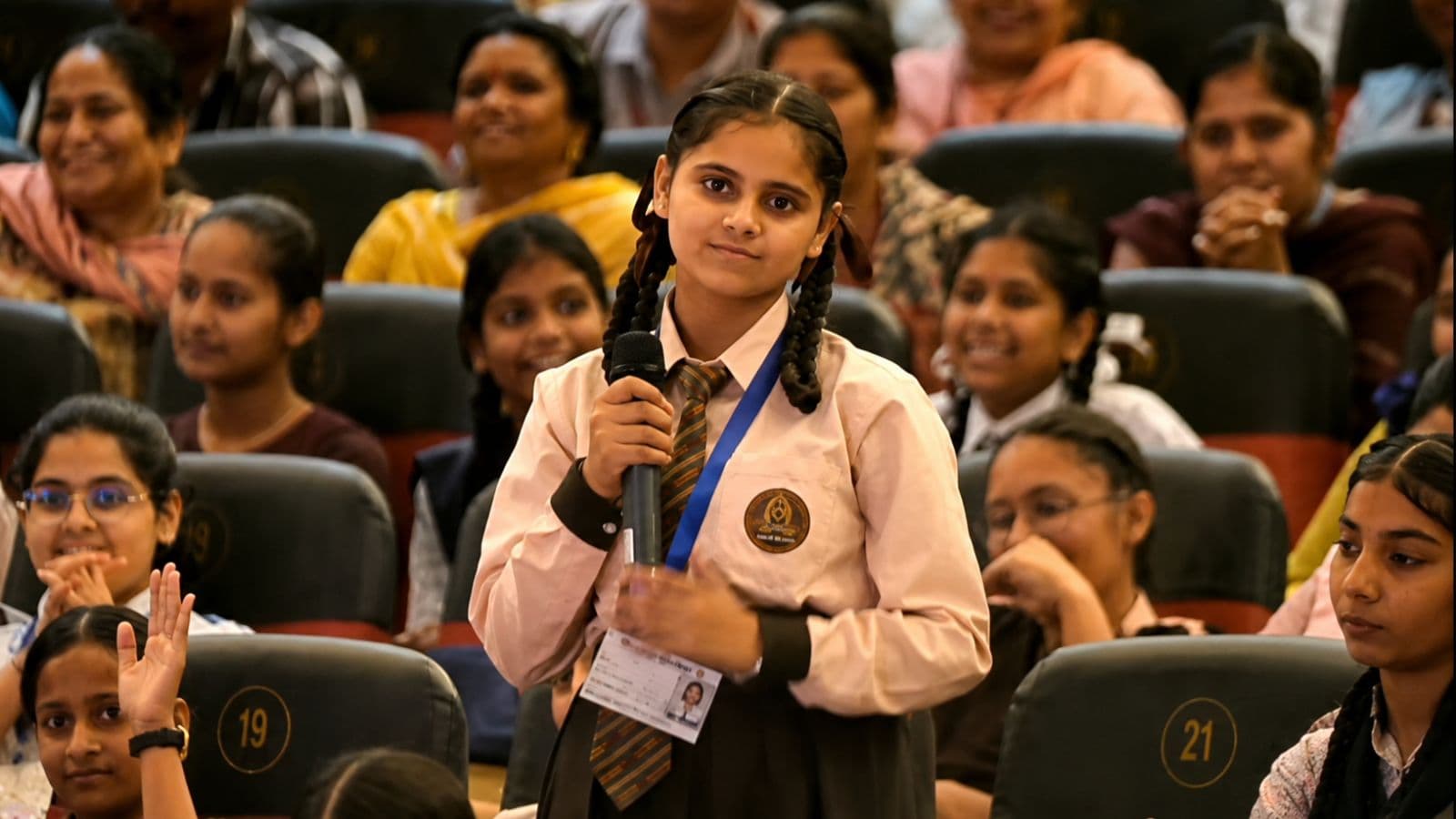
Amritsar student questions age-based ranking, prompting Punjab CM to reform PSEB policies. A significant change towards merit-based recognition is underway.
Indian Express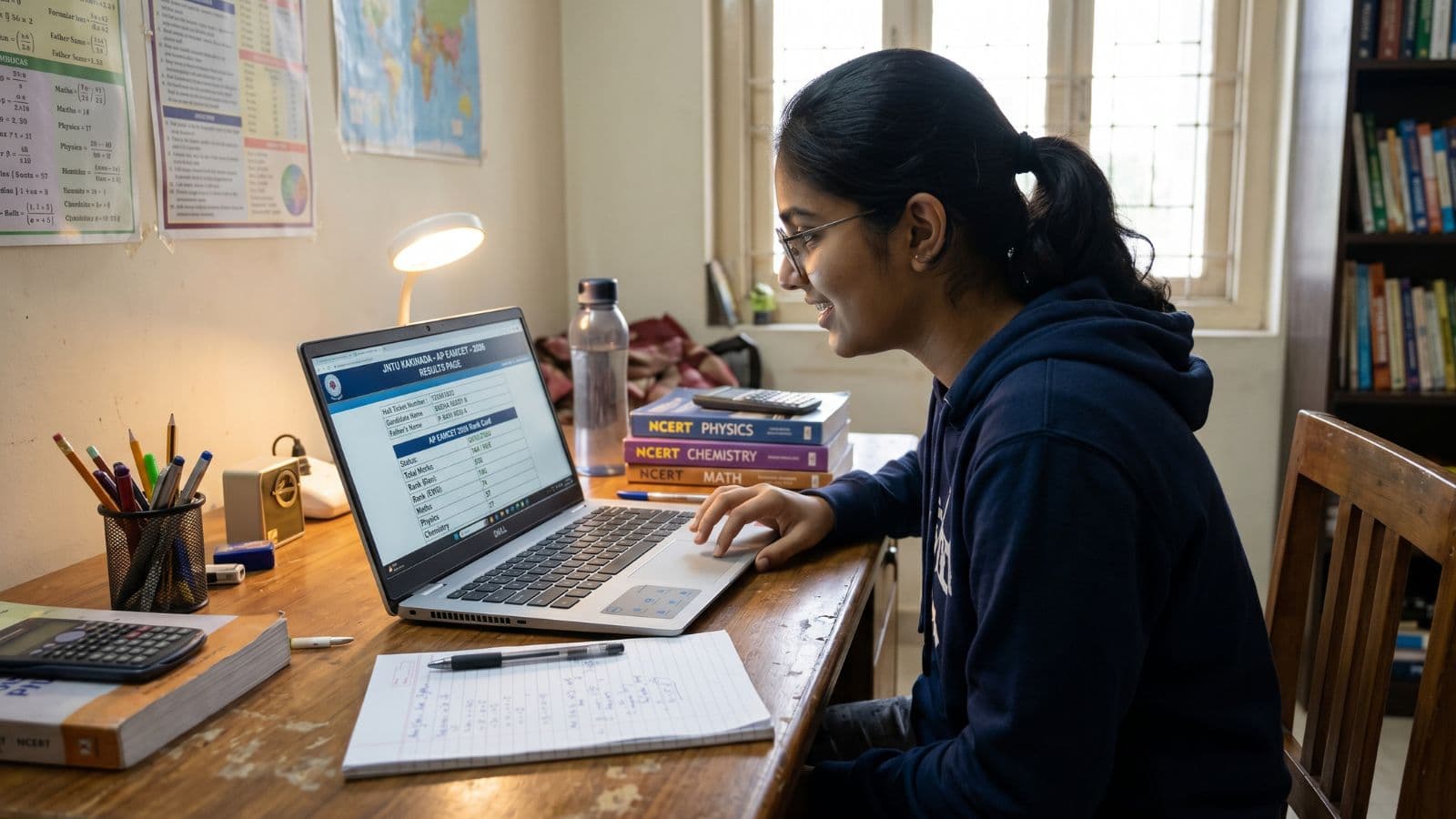
AP EAMCET 2026 results are out! Discover how to check your scorecard and navigate the upcoming counselling process for college admissions.
Indian Express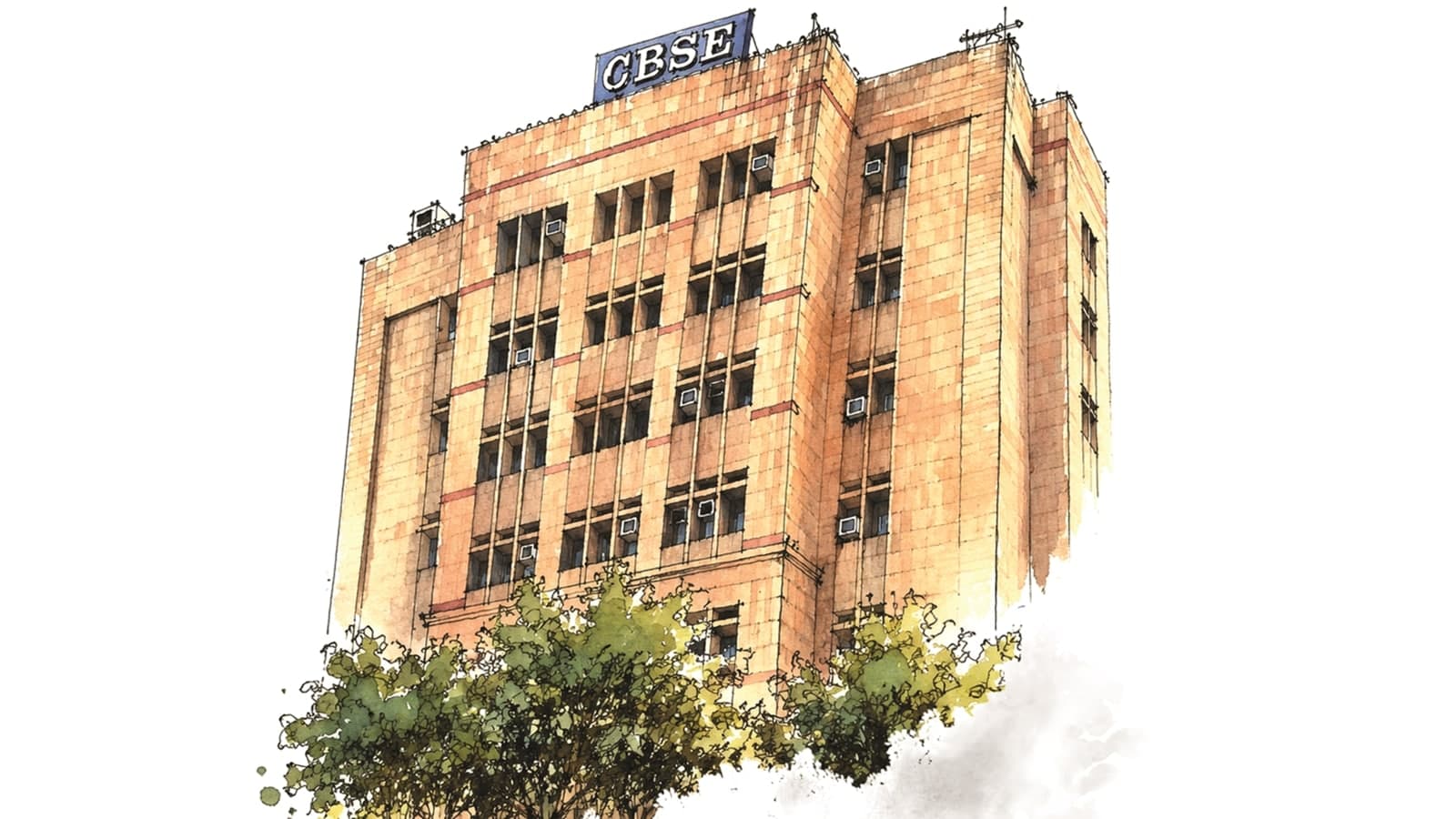
CBSE's new OSM system faces backlash as students struggle with re-evaluation. Will their futures be jeopardized by technical flaws?
Indian Express