
Image: BBC Science
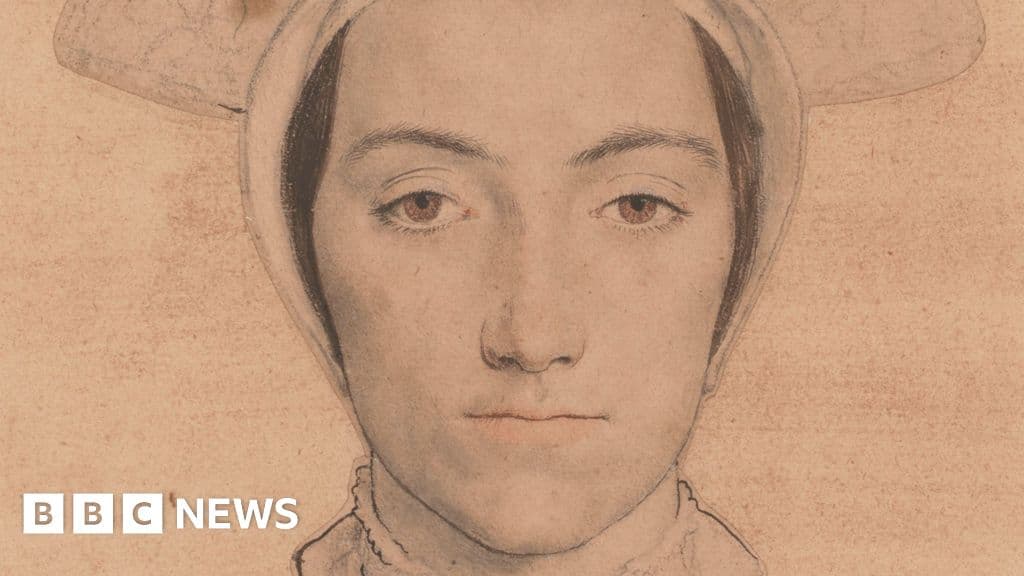
Discover the groundbreaking analysis that may have uncovered a hidden sketch of Anne Boleyn, revealing new insights into her mysterious appearance.
GlipzoThe fascinating life of Anne Boleyn, King Henry VIII's second wife, has captivated historians and the public alike for centuries. Born around 1501, Boleyn is not only known for her turbulent marriage to Henry VIII but also for her tragic execution in 1536. As the mother of Queen Elizabeth I, she holds a prominent place in British history. However, the mystery surrounding her true appearance remains unsolved, leading to ongoing debates among historians and art enthusiasts.
Recent revelations by a team from the University of Bradford have sparked renewed interest in Boleyn’s likeness. The researchers utilized facial recognition technology to analyze a renowned collection of Tudor portraits, and they believe they may have pinpointed a previously unidentified sketch of Boleyn. This development raises questions about the accuracy of historical representations and invites scrutiny from art historians.
Anne Boleyn's reign as queen was notably brief, lasting only about three years. After being accused of adultery, incest, and treason, she was executed, leaving behind a legacy shrouded in mystery. The portraits that exist of her were all created posthumously, complicating the task of establishing a definitive image of the queen. This gap in authentic representations has made Boleyn a subject of fascination and analysis over the centuries, with historians often relying on written accounts and artistic interpretations.
Dr. Charlotte Bolland, a senior curator at the National Portrait Gallery, expressed skepticism about the new findings, noting the absence of a secure reference portrait from Boleyn's lifetime. “We don't have a lifetime painted portrait of her that's absolutely secure,” she stated, highlighting the challenges historians face in confirming the accuracy of existing depictions.
Despite these challenges, there are a few drawings believed to be contemporary representations of Boleyn. Among them is a preparatory sketch attributed to Hans Holbein the Younger, a celebrated artist of the Tudor court. This particular sketch, which bears her name, exists within the Royal Collection Trust and has prompted debate regarding its authenticity.
In an innovative approach, the Bradford team applied machine learning algorithms to the Holbein collection, comparing various drawings to identify distinct facial features that could lead to the identification of Boleyn. This method aims to eliminate human bias and the inaccuracies that may arise from historical mislabeling.
Prof. Hassan Ugail, leading the project, described the process: “What we are looking at is a bunch of drawings, and then we are comparing these drawings through a machine-learned algorithm.” The goal was to sift through the digital copies of Holbein’s work to discover if any sketch could be definitively linked to Boleyn.
The Royal Collection Trust, while not involved in the research, has expressed its support for studies that explore its artworks. The findings from this analysis have generated excitement, with lead author Karen Davies claiming, “The result has shocked us completely.” The team believes they may have uncovered a sketch of Boleyn that has remained unidentified for centuries, previously categorized simply as an “unidentified woman.”
Despite the groundbreaking nature of this research, it has not been without its critics. Dr. Bendor Grosvenor, a respected art historian, dismissed the findings as “a load of rubbish,” questioning the validity of the methodology used in the study. He argues that it is suspicious to challenge centuries of established art history based on what he considers flawed technology.
In response to such criticisms, Prof. Ugail remained steadfast, stating, “The results are results, isn’t it?” This highlights a fundamental divide in the art community regarding the intersection of technology and historical interpretation.
The implications of this research extend beyond the search for Anne Boleyn’s likeness. It represents a growing trend in which technology is employed to revisit and reinterpret historical art. As methods like facial recognition become more prevalent, they challenge traditional analyses and may reshape our understanding of historical figures.
Moreover, the excitement surrounding the potential identification of Boleyn’s likeness underscores the enduring fascination with her life and legacy. The quest for authenticity in historical representation remains a significant endeavor, inviting further exploration into how we understand and visualize the past.
As the debate continues, the future looks promising for both the study of Anne Boleyn and the application of technology in art history. The methodology developed by the Bradford team could pave the way for similar analyses of other historical figures, shedding light on unrecognized portraits and potentially altering established narratives.
The ongoing discussion about Boleyn’s image illustrates the broader conversation about how history is recorded and remembered. As new technologies emerge, they will undoubtedly influence our understanding of the past and the figures who shaped it. Future researchers and historians will likely keep a close eye on the developments stemming from this study, as the search for the ‘real’ Anne Boleyn continues to captivate both scholars and the public alike.
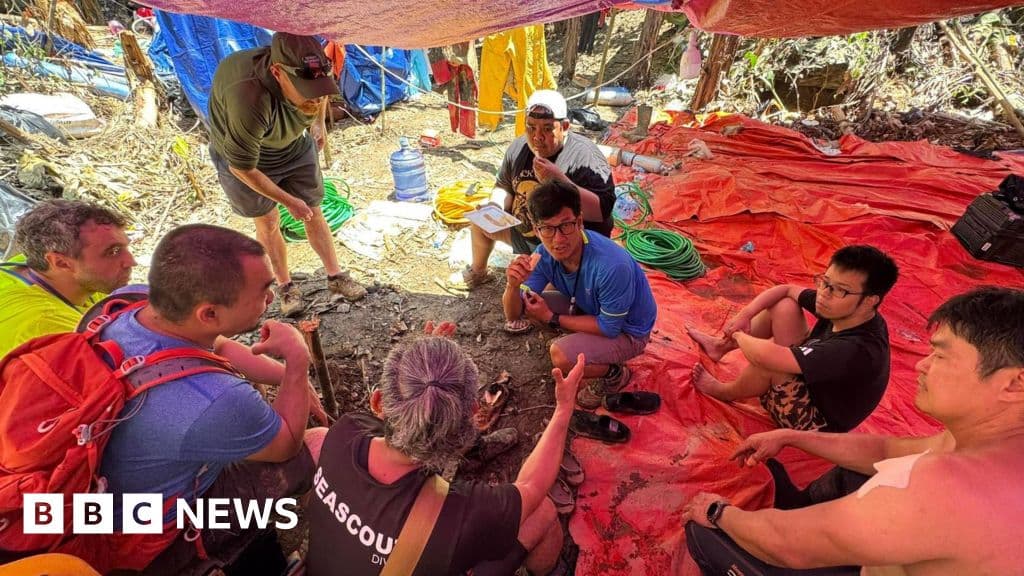
Survivors of the Laos cave rescue are aiding efforts to find the last two missing men trapped inside, sharing crucial insights for the search operation.
BBC World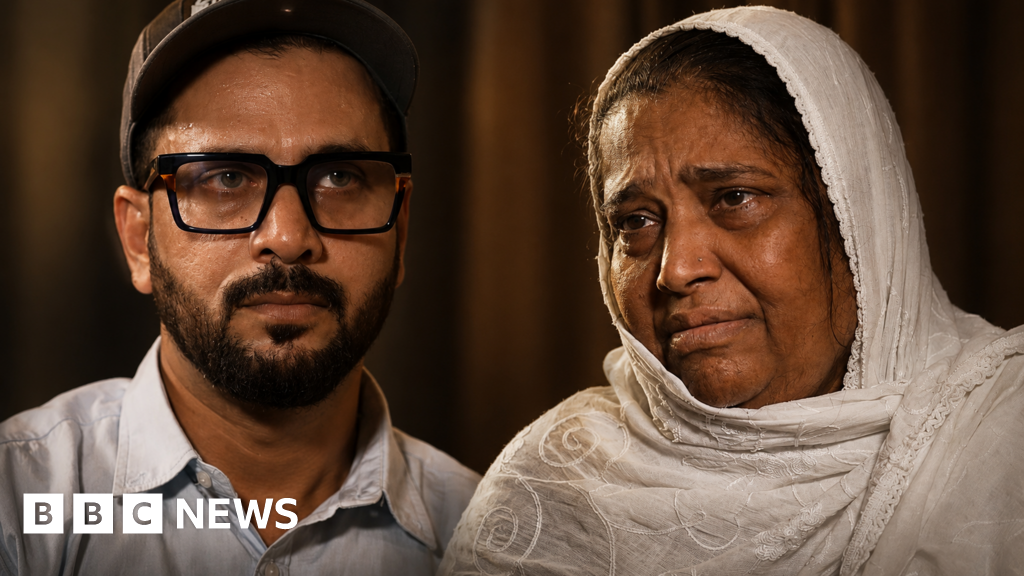
A year after the tragic Air India crash, the Ali family reflects on grief, unanswered questions, and the enduring bonds of love in the face of loss.
BBC Business
A devastating explosion in Myanmar's Kaung Tat village has killed at least 55 people, raising serious safety concerns and questions about civilian protection in conflict zones.
BBC World