
Image: Mint (Business)
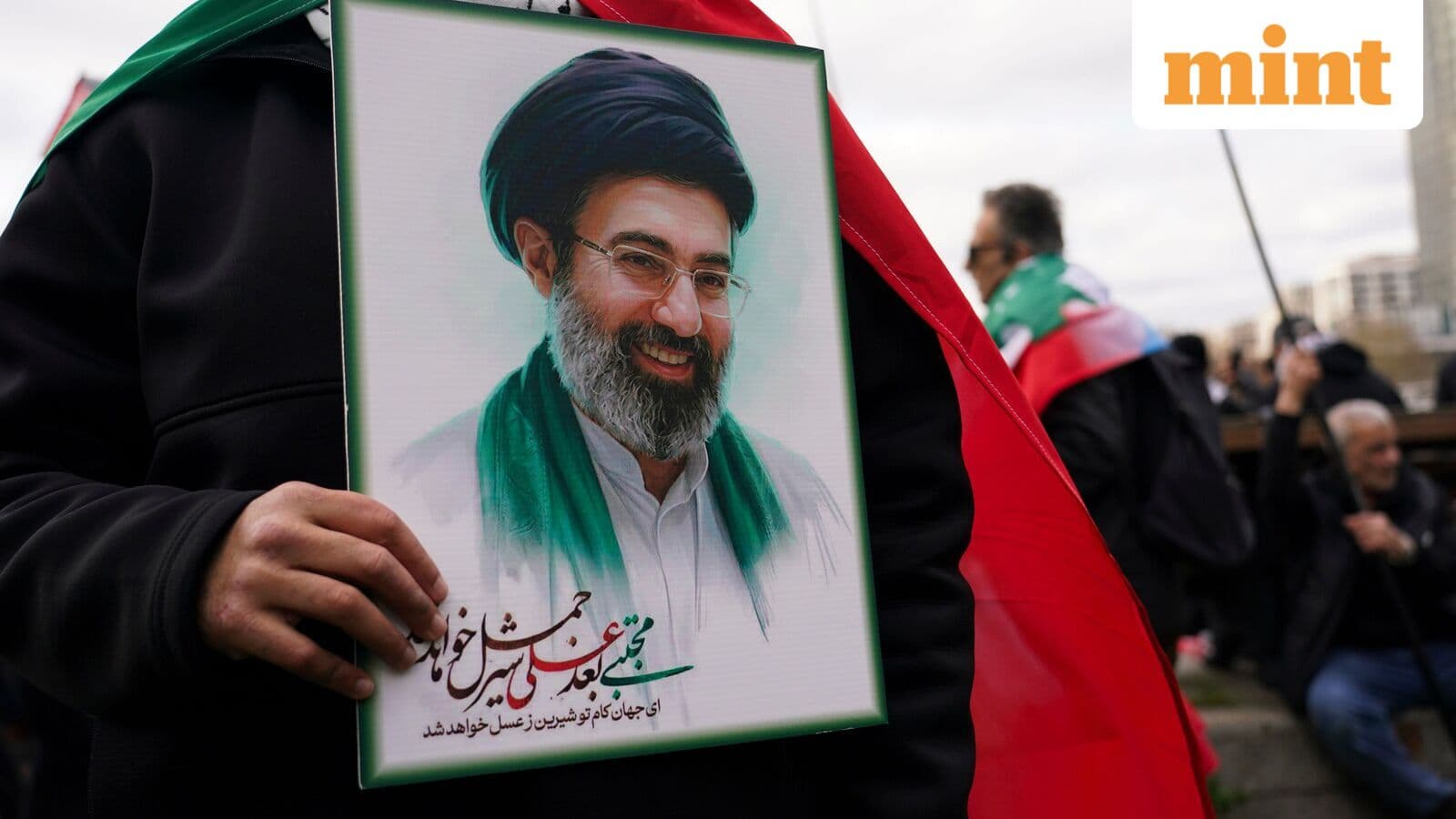
Did Khamenei doubt his son as successor? US intel reveals major concerns about Mojtaba Khamenei's leadership potential following Iran's recent upheaval.
GlipzoIn a shocking revelation, US intelligence has informed President Donald Trump and his close circle about concerns expressed by the late Ayatollah Khamenei regarding his son, Mojtaba Khamenei, succeeding him as Supreme Leader of Iran. According to a report from CBS News, the former leader had reservations about Mojtaba’s capabilities, describing him as ‘not very bright’ and ‘unqualified’ for the role.
The intelligence briefing suggests that Khamenei was aware of his son’s troubled personal life, further fueling his doubts about Mojtaba’s ability to lead the nation effectively. The implications of this assessment are profound, especially in a region already fraught with tension.
Earlier this month, Mojtaba Khamenei, the second son of the deceased Ayatollah, was appointed as the new Supreme Leader of Iran. Reports from Iran International indicated that this decision may have been influenced by the Iranian Revolutionary Guard Corps (IRGC), raising questions about the legitimacy and stability of his leadership.
The transition in leadership comes in the wake of the death of the elder Khamenei, who was killed during a coordinated US-Israel military operation on February 28. This attack sparked immediate retaliation from Iran, with explosions reported across major cities like Abu Dhabi and Dubai, known for housing US military installations. Such escalations illustrate the precarious balance of power in the region, which is now further complicated by concerns over leadership in Iran.
In light of these events, President Trump has expressed skepticism regarding the relevance of the intelligence on Mojtaba Khamenei. He reportedly conveyed to his advisors that he views Iran as essentially leaderless, suggesting that the younger Khamenei might also be incapacitated or dead, according to CBS News. This interpretation of the situation underscores a potential vacuum at the highest levels of Iranian governance.
The U.S. State Department recently announced a significant move by placing a $10 million reward on Mojtaba Khamenei and senior IRGC officials through its Rewards for Justice program. This action represents one of the most aggressive strategies employed by Washington against Tehran, aiming to undermine the new leadership and destabilize the regime further.
In a striking interview with Fox News, Trump articulated his views on the leadership crisis in Iran, stating: > “Their leadership is gone. Their second leadership is gone. Now their third leadership is in trouble, and this is not somebody that the father even wanted.” This candid remark highlights the ongoing uncertainties surrounding Iran’s political future, particularly the challenges Mojtaba faces in asserting authority.
President Trump did not hold back in his criticism of Mojtaba Khamenei, labeling him a “lightweight” and asserting that such a leader would be “unacceptable” for Iran. He expressed a desire for some oversight in the selection of future Iranian leadership, indicating a proactive stance from the U.S. amid the chaos.
In addition to the political commentary, U.S. Defense Secretary Pete Hegseth has claimed that Mojtaba Khamenei is reportedly wounded and “likely disfigured.” While he did not present any concrete evidence to support these claims, he criticized the lack of communication from the new Supreme Leader, describing it as a “weak” approach to leadership.
The current landscape of Iranian leadership is fraught with uncertainty. The revelations about Khamenei's doubts regarding his son’s capabilities raise critical questions about the future direction of Iran. As the nation grapples with internal strife and external pressures, the effectiveness of Mojtaba Khamenei's leadership will be tested.
The implications of this leadership transition extend beyond Iran’s borders, impacting regional stability and U.S. foreign policy. Observers will be keenly watching how Mojtaba navigates these challenges, especially in light of his father's doubts and the international scrutiny he faces.
As tensions remain high, the international community should prepare for the potential ramifications of a leadership struggle in Iran. The unfolding situation could lead to shifts in power dynamics across the Middle East, with significant consequences for global security and diplomacy.
In conclusion, the upcoming months will be critical in determining whether Mojtaba Khamenei can consolidate power and command respect both domestically and internationally. The world watches closely as these developments unfold, with the potential for major geopolitical shifts at stake.
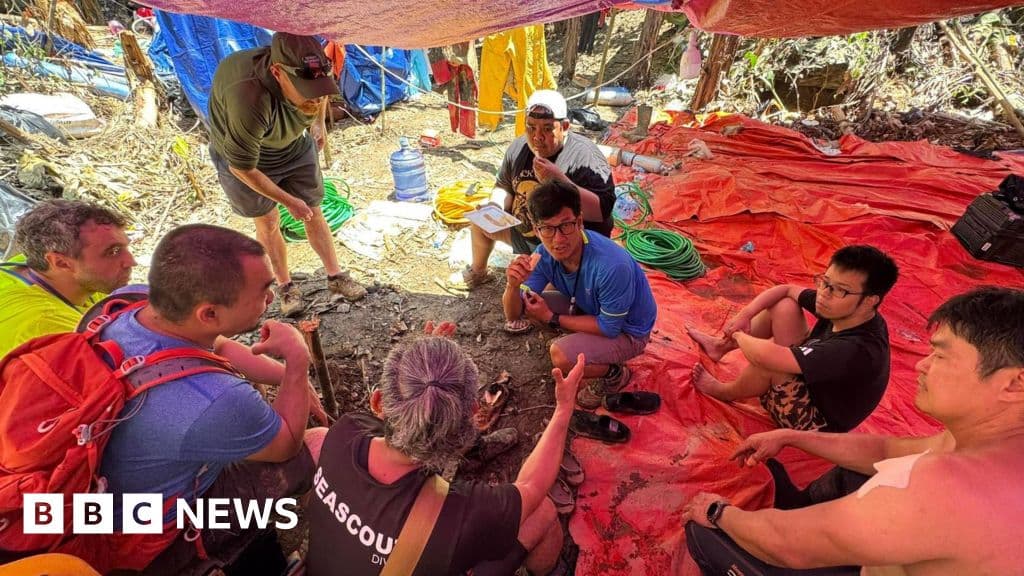
Survivors of the Laos cave rescue are aiding efforts to find the last two missing men trapped inside, sharing crucial insights for the search operation.
BBC World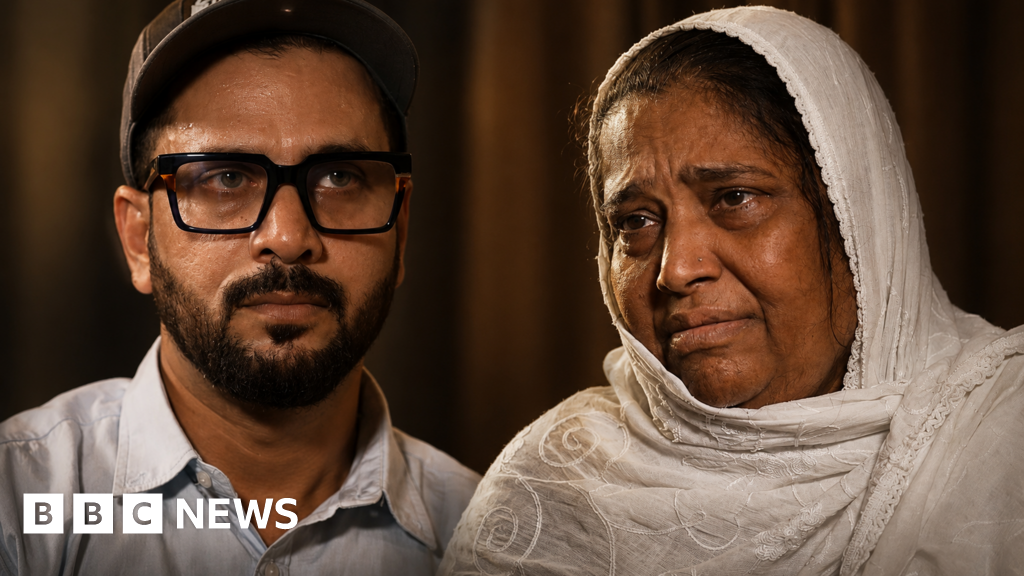
A year after the tragic Air India crash, the Ali family reflects on grief, unanswered questions, and the enduring bonds of love in the face of loss.
BBC Business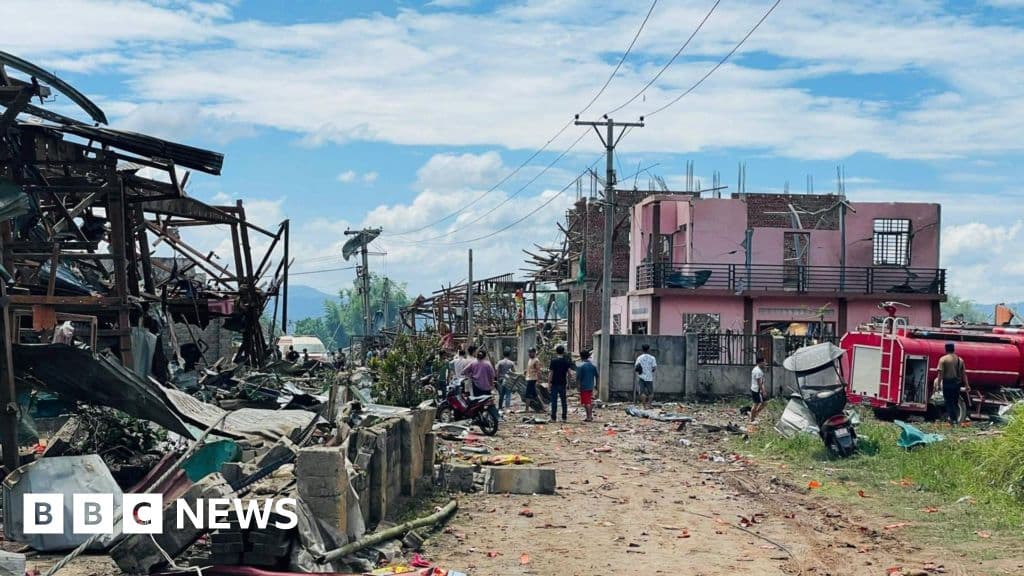
A devastating explosion in Myanmar's Kaung Tat village has killed at least 55 people, raising serious safety concerns and questions about civilian protection in conflict zones.
BBC World