
Image: BBC World
Discover how smuggled Starlink tech is helping Iranians bypass a long internet blackout and fight censorship, risking everything for freedom.
GlipzoIn a bid to combat severe internet restrictions imposed by the Iranian government, Sahand, an Iranian citizen who prefers to remain anonymous, is part of a secretive network working to smuggle satellite internet technology into the country. This technology, which has become a lifeline for many Iranians seeking to break free from government censorship, is illegal under current Iranian laws. Sahand's mission is fueled by a singular belief: "If even one extra person is able to access the internet, I think it's successful and it's worth it."
Speaking to the BBC from outside Iran, Sahand expresses deep concern for his loved ones still in the country. He knows that being identified by the Iranian regime could have dire consequences for those he communicates with. "If I was identified, they might make those I'm in touch with in Iran pay the price," he states somberly. This dire situation has unfolded against the backdrop of one of the longest internet shutdowns ever recorded, currently ongoing in Iran for over two months.
The current blackout, which began after U.S. and Israeli airstrikes on February 28, has left millions of Iranians in a digital void. Prior to this, internet access had been briefly restored following a previous blackout that commenced in January amid widespread protests against the regime. The crackdown led to the deaths of more than 6,500 protesters and the arrest of 53,000 individuals, according to the Human Rights Activists News Agency (HRANA).
Iranian officials argue that the internet shutdown is necessary for national security, claiming it helps to prevent surveillance, cyber-attacks, and espionage during times of war. However, many see it as a tactic to silence dissent and control the narrative.
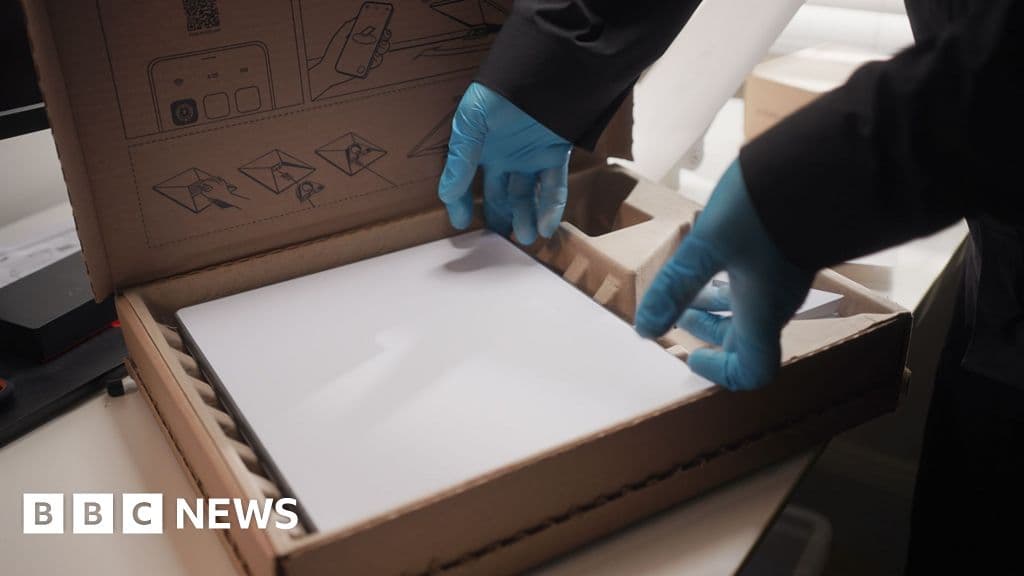
The Starlink terminals, developed by SpaceX, have quickly emerged as a crucial tool for circumventing Iran's strict internet regulations. These flat, white devices connect users to a global network of satellites, allowing them to access information freely, independent of the Iranian government's heavily monitored domestic internet. Each terminal can support multiple users, providing a vital connection for families and communities.
Sahand reveals that he has managed to smuggle a dozen Starlink devices into Iran since January and is actively seeking new methods to transport more. “We are looking for ways to smuggle in more,” he explains, emphasizing the complexity and risks involved in this clandestine operation.
Estimates from the human rights organization Witness suggest that there are currently at least 50,000 Starlink terminals in Iran, a number that is likely increasing as demand grows. Despite the risks, including potential imprisonment for those caught buying or selling these devices, a market continues to thrive. Just last year, Iranian authorities enacted severe penalties for using, buying, or selling Starlink technology, with jail sentences ranging from two to ten years.
State-run media has reported various arrests related to Starlink terminals, with accusations extending to illegal weapons possession and espionage. Yet, a public Persian-language Telegram channel, known as NasNet, has emerged as a platform for distributing these devices, with around 5,000 terminals sold over the past two and a half years.
Iran's government has a long history of suppressing freedom of expression and controlling the flow of information. By disseminating anti-Western narratives through state-run media and restricting reporting on human rights abuses, the regime aims to maintain a tight grip on public perception. However, during the protests of January, despite significant internet restrictions, reports and footage of human rights violations emerged, largely credited to individuals using Starlink to access social media platforms.
The current internet framework in Iran operates as a tiered system, allowing citizens access to a state-controlled network that includes essential services like banking and food delivery, while severely limiting access to international news and social media.
The ongoing struggle for internet access amid Iran's oppressive regime highlights the resilience of its people and their relentless pursuit of freedom. As the situation continues to evolve, observers are left wondering how long the government can maintain its grip on information and what impact increased access to satellite internet might have on Iranian society.
Looking forward, the smuggling of Starlink technology into Iran represents not just a fight for internet access, but a broader struggle for human rights and freedom of expression. With the potential for increased connectivity, the Iranian populace may soon find new ways to share their stories and challenge the regime's narratives. The future remains uncertain, but the desire for connection and truth is undeniable.
In conclusion, as satellite internet technology becomes more accessible, it may very well change the landscape of information sharing in Iran. Activists and citizens alike are watching closely, as each successful smuggling operation may pave the way for greater freedom and resistance against oppression.
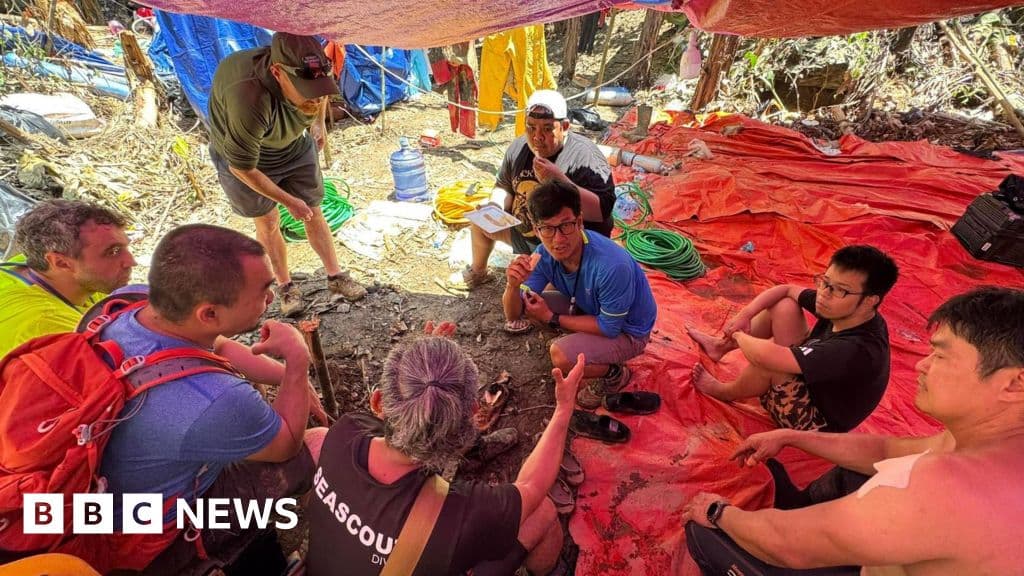
Survivors of the Laos cave rescue are aiding efforts to find the last two missing men trapped inside, sharing crucial insights for the search operation.
BBC World
A year after the tragic Air India crash, the Ali family reflects on grief, unanswered questions, and the enduring bonds of love in the face of loss.
BBC Business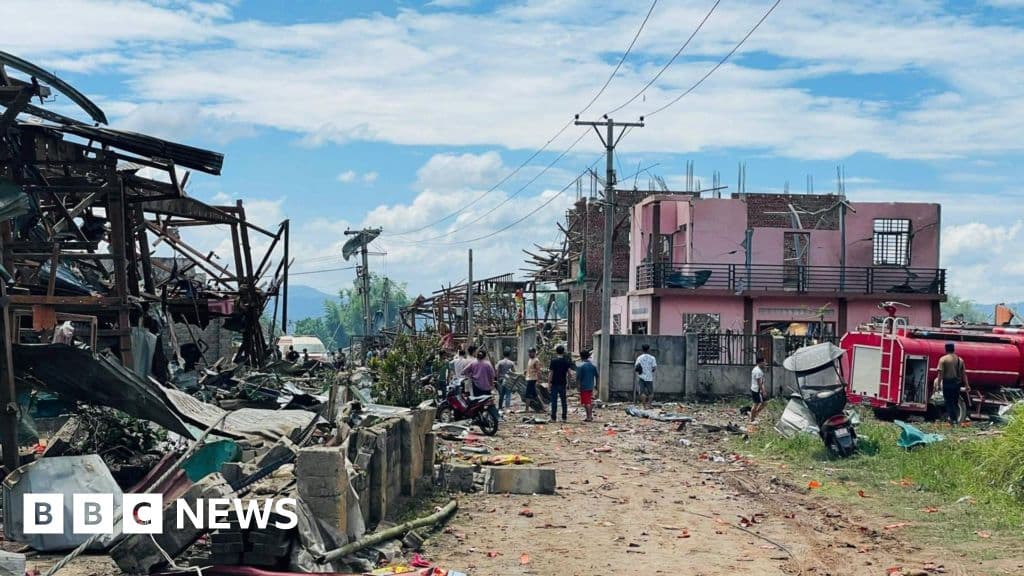
A devastating explosion in Myanmar's Kaung Tat village has killed at least 55 people, raising serious safety concerns and questions about civilian protection in conflict zones.
BBC World