
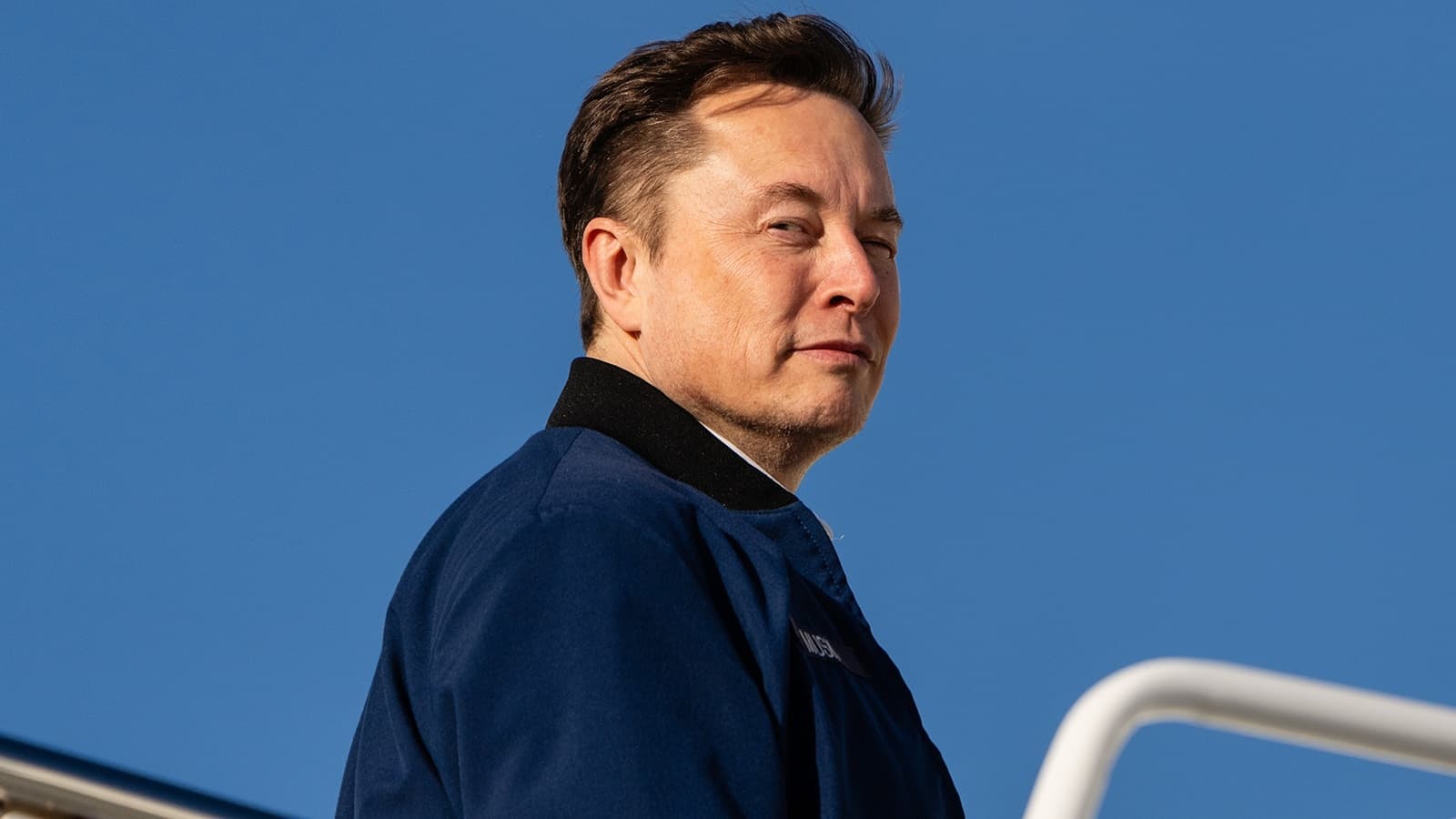
Image: Indian Express
Discover how Elon Musk leveraged SpaceX for personal loans and support for his businesses. What does this mean for investors as SpaceX prepares to go public?
GlipzoIn January 2018, Elon Musk, the billionaire CEO of SpaceX, found himself in need of $100 million. Rather than seeking assistance from traditional banks, he turned to his own rocket company, a move that would raise eyebrows and ignite discussions about corporate governance and ethics in the business world.
Over the span of three years, Musk borrowed a staggering $500 million from SpaceX, benefiting from exceptionally favorable loan conditions. Internal documents acquired by The New York Times reveal that the interest rates on these loans fluctuated between less than 1% and nearly 3%, well below the market average. Interestingly, these documents did not disclose Musk's intended use for the funds, though he successfully repaid the loans by the end of 2021.
This borrowing strategy highlights how Musk has effectively utilized SpaceX as a financial resource. Unlike publicly traded companies, which are bound by strict regulations regarding loans and transactions, SpaceX benefits from its private status, allowing Musk to engage in financial maneuvers that would typically raise red flags in the corporate realm. According to investigations by the Times, Musk's actions reflect a broader pattern of leveraging SpaceX to support not only his personal finances but also his other ventures.
Musk's financial interactions with SpaceX extend beyond personal loans; they also include significant support for at least three of his other companies, including Tesla, SolarCity, and xAI. These financial lifelines have allowed Musk to stabilize businesses that faced financial difficulties: - Tesla: Received critical funding from SpaceX when cash flow became a concern. - SolarCity: Musk injected much-needed capital into this solar energy firm, in which he had a substantial ownership stake. - xAI: SpaceX even acquired this AI startup, which has been burning through cash.
While these transactions may benefit Musk and his companies, they have raised alarms among some investors. Founders Fund, a prominent venture capital firm co-founded by Peter Thiel, has expressed concerns regarding Musk's prioritization of his own interests over those of other shareholders, leading to accusations of self-dealing.
Legal experts, like Ann Lipton, a law professor at the University of Colorado Boulder, have pointed out that these transactions create potential conflicts of interest. She emphasized that such dealings are a “hazard” when investing in an individual like Musk, who manages multiple companies simultaneously. The intertwining of Musk's financial interests with those of SpaceX raises questions about the integrity of corporate governance and the implications for investors.
Founded in 2002 with the ambitious goal of enabling human life on Mars, SpaceX has become a dominant player in the aerospace sector, boasting a valuation exceeding $1 trillion. As it stands as the crown jewel of Musk's business empire, SpaceX has not only redefined space travel but has also granted Musk significant geopolitical clout.
As Musk gears up for a potential public offering that could become one of the largest in history, he will soon find himself under the scrutiny of Wall Street and a broader investor base. SpaceX’s status as a major federal contractor will require it to disclose its financial performance and transactions involving Musk and his other business interests. This upcoming transparency may expose the intricacies of how Musk has utilized SpaceX's resources and could have repercussions for his other ventures.
The financial maneuvers Musk has engaged in are not isolated to SpaceX. His flagship company, Tesla, which went public in 2010, has also been a vehicle for Musk's financial strategies. By leveraging his Tesla shares as collateral for personal loans, he has amassed substantial funds while simultaneously providing support to other ventures in distress. Despite the remarkable success of Tesla—its stock price soaring over 29,000% since its IPO—Musk's actions have sparked outrage among some investors, leading to multiple shareholder lawsuits.
Among these legal disputes, a notable 2024 lawsuit by a pension fund claimed that Musk's diversion of resources from Tesla to his AI company xAI was detrimental to the automaker's interests. This raises critical questions about the ethical boundaries of corporate leadership and the responsibilities of CEOs to their shareholders.
As Musk navigates this intricate web of financial dealings, the stakes continue to rise. Investors and regulatory bodies will be watching closely to see how Musk addresses concerns over potential conflicts of interest and the financial health of his companies as they prepare for public scrutiny.
Elon Musk's approach to leveraging SpaceX for personal gain and the support of his other businesses is a striking example of the complexities and potential conflicts present in the world of private enterprise. As he prepares to take SpaceX public, the implications of his past actions will undoubtedly come into sharper focus. Investors and analysts alike will be keen to monitor how Musk will balance his personal interests with his responsibilities to shareholders.
In the coming months, keep an eye on: - SpaceX's IPO: Anticipate how Musk's financial dealings will be scrutinized. - Legal developments: Watch for outcomes from shareholder lawsuits. - Performance disclosures: Expect transparency regarding financial transactions involving Musk and his companies.
Musk's journey is far from over, and the unfolding narrative will continue to captivate investors and the public alike, as new revelations and market dynamics shape the future of his multifaceted empire.

Commercial LPG prices have risen again, with increases of ₹42 in Delhi and ₹53.50 in Kolkata impacting businesses and consumers alike. Find out more.
Indian Express
Discover how a tragic coal mine explosion in Shanxi, China, reveals ongoing safety concerns in the industry amidst a push for green energy.
BBC Business
Montek Singh Ahluwalia highlights key economic challenges for India, emphasizing the need for a strategic approach to balance payments and investment.
Indian Express