

Image: Times of India
Discover how China's tech upgrades in aerial refueling reshape military strategy after a deadly U.S. tanker crash. What’s next for global powers?
GlipzoIn a significant leap towards modernizing its military capabilities, China is integrating cutting-edge technology into its aerial refueling processes. This development comes on the heels of a tragic incident involving a U.S. tanker crash, which has raised concerns about aerial operations and the safety of airmen. With tensions in the region escalating, the focus on enhancing aerial refueling may prove crucial for maintaining military readiness.
The U.S. tanker crash, which resulted in the loss of lives and equipment, has prompted a critical reassessment of aerial refueling strategies among global powers. As countries like China observe the gaps and vulnerabilities in U.S. air operations, they are capitalizing on these lessons to innovate and integrate advanced technologies into their own military systems.
China's advancements in aerial refueling technology encompass various innovative approaches. Some of the most notable developments include: - Autonomous refueling systems: Utilizing drones and AI to streamline the refueling process, minimizing the risk to human operators. - Enhanced communication networks: Ensuring seamless coordination between refueling aircraft and combat units in real-time. - Advanced sensors and targeting systems: Improving accuracy and efficiency during refueling missions, which is vital for maintaining operational tempo in combat scenarios.
These innovations are not merely technical upgrades; they represent a strategic shift in how military operations will unfold in the future, particularly in contested environments.
The deadly crash of the U.S. tanker has triggered a wave of scrutiny regarding the safety protocols and operational readiness of aerial refueling missions. Investigations revealed that factors such as weather conditions and equipment malfunctions contributed to the accident, leading to renewed calls for enhanced training and technology integration in U.S. forces.
For China, this incident presents an opportunity to promote its advancements and showcase a commitment to military modernization. As the nation actively works to enhance its aerial refueling capabilities, it could potentially influence the balance of power in the Asia-Pacific region.
The integration of technology in aerial refueling is more than an internal military upgrade for China; it reflects a broader trend in global military strategies. As nations invest in technology to fortify their defense mechanisms, the implications extend beyond individual countries, affecting international relations and military alliances.
As China continues to refine its aerial refueling technology, the international community will be watching closely. The strategic implications of these advancements cannot be overstated, as they may redefine the operational capabilities of air forces worldwide.
In the coming months, expect to see: - Increased military drills: China may ramp up exercises to demonstrate its new capabilities to both domestic and international audiences. - International responses: Other nations might accelerate their technology investments in military aviation to counterbalance China's advancements. - Potential alliances: New partnerships may emerge in response to shifting military dynamics, particularly among nations feeling threatened by China's growing capabilities.
The developments in aerial refueling technology are not just a tale of innovation; they are a narrative of international power dynamics and military strategy that will shape the future of warfare. With a keen eye on the horizon, the world waits to see how these changes will unfold and influence global peace and security.
The tragic U.S. tanker crash has opened a new chapter in military strategy, particularly concerning aerial refueling. As China continues to integrate advanced technologies into its military operations, the geopolitical landscape may shift significantly. Understanding these developments is crucial for anyone interested in the future of global military engagements. The interplay of technology, strategy, and international relations will be critical as we navigate the complexities of modern warfare.
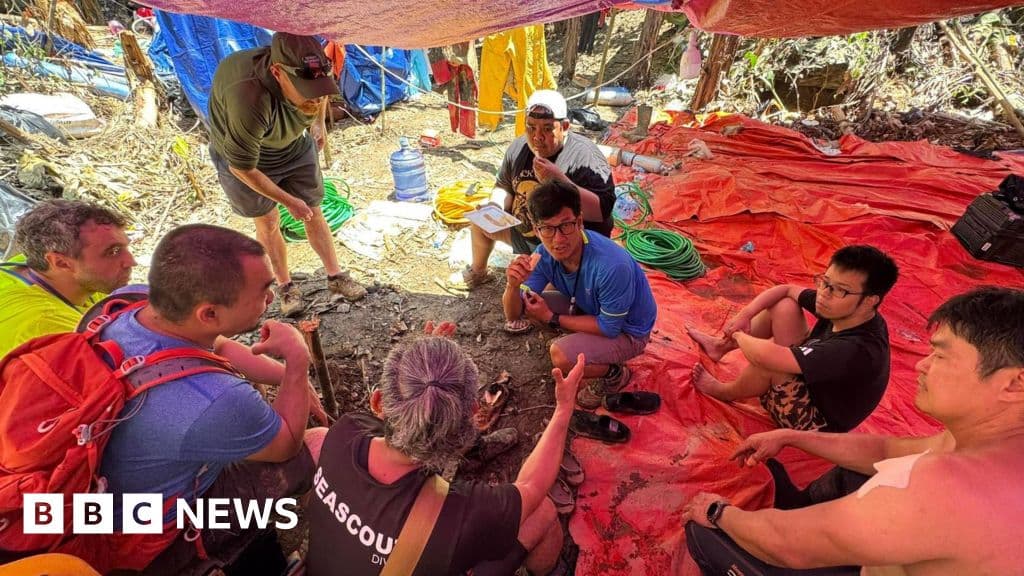
Survivors of the Laos cave rescue are aiding efforts to find the last two missing men trapped inside, sharing crucial insights for the search operation.
BBC World
A year after the tragic Air India crash, the Ali family reflects on grief, unanswered questions, and the enduring bonds of love in the face of loss.
BBC Business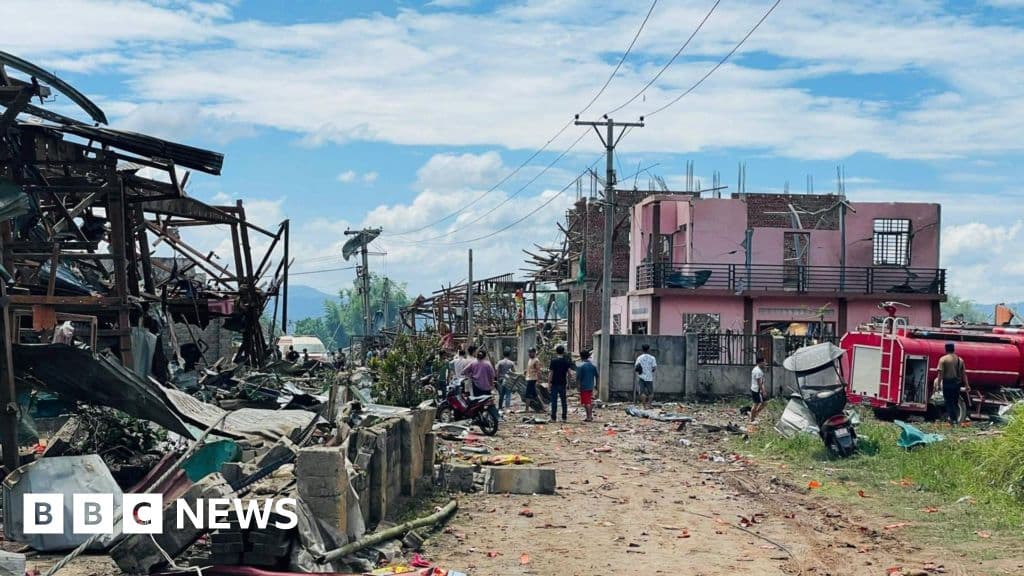
A devastating explosion in Myanmar's Kaung Tat village has killed at least 55 people, raising serious safety concerns and questions about civilian protection in conflict zones.
BBC World