

Image: The Hindu
Renault relaunches the Duster in India, focusing on hybrid technology to capture market share in a competitive SUV segment. Will it succeed?
GlipzoOn March 17, 2026, Renault made a significant announcement in New Delhi, unveiling the all-new Duster as part of a strategic revival in the Indian automotive landscape. This third-generation model not only signifies the return of a beloved SUV but also highlights Renault's commitment to hybrid technology, aiming to capture a share of one of the most competitive segments in the country.
With a starting price of approximately ₹10.3 lakh (ex-showroom), the Duster will compete against formidable rivals like the Hyundai Creta and Kia Seltos. However, this launch represents more than just a vehicle; it's a critical pivot in Renault's approach to the Indian market.
The introduction of the Duster is strategically aligned with Renault's focus on electrification through hybrid systems rather than a complete transition to electric vehicles (EVs). According to Francisco Hidalgo, VP of Sales & Marketing at Renault India, the hybrid market in India is still in its infancy, but the company is optimistic about its growth potential.
> “It is still a small market because there is no offer. But we are coming strong and the results are very encouraging,” Hidalgo stated, emphasizing the promising outlook for hybrid vehicles in India.
The new Duster will feature a range of powertrains, including traditional turbo-petrol engines alongside a robust hybrid variant, which is anticipated to launch later this year, ideally timed for the festive season. This hybrid model is expected to serve as the technological flagship of Renault's lineup.
In discussing the rationale behind the hybrid focus, Hidalgo noted, “Our experience in many parts of the world shows that the perfect replacement for diesel is hybrid. Hybrid will be super efficient on city driving.” This statement underscores Renault's belief that hybrid vehicles will cater effectively to urban consumers who prioritize fuel efficiency and lower emissions.
The Duster's new platform is also designed to be EV-ready, indicating Renault's intentions to eventually introduce electric models in India. However, Hidalgo clarified that the company will only move into the EV arena once there is a substantial demand, as current sales remain low with electric vehicles accounting for just 4% of the market.
Looking ahead, Renault aims to achieve a 4-5% market share in India by 2030. Currently, the company holds less than 1% of the market, indicating a significant opportunity for growth, especially with the launch of the Duster and its hybrid model.
As the automotive landscape evolves, Renault's commitment to hybrid technology positions it well to capitalize on changing consumer preferences, particularly in urban areas where efficiency and sustainability are increasingly valued.
The relaunch of the Duster signifies a broader trend in India’s automotive industry toward hybrid and electric vehicles. As manufacturers like Renault pivot towards more sustainable options, consumers will have an expanding array of choices that align with environmental concerns without sacrificing performance or comfort.
The strategic focus on hybrids suggests that consumers can expect a blend of traditional driving experiences with modern efficiency. This is particularly relevant in India, where the demand for affordable, efficient vehicles is on the rise.
As Renault embarks on this renewed journey with the Duster, industry observers will be keenly watching its performance in the market and the reception of its hybrid variants. Will the Duster charm Indian consumers once again, and can Renault carve out a significant niche in the evolving automotive market?
The company’s focus on hybrids may well be a crucial factor in addressing the pressing needs for efficiency and sustainability among Indian drivers. With the festive season approaching, the timing of the hybrid launch could be pivotal for Renault's success in a rapidly changing automotive landscape.
In summary, the relaunch of the Duster is not just about reviving a popular model; it represents a significant strategic shift for Renault in India, setting the stage for a future where hybrids could become a dominant choice among consumers looking for practicality and efficiency.
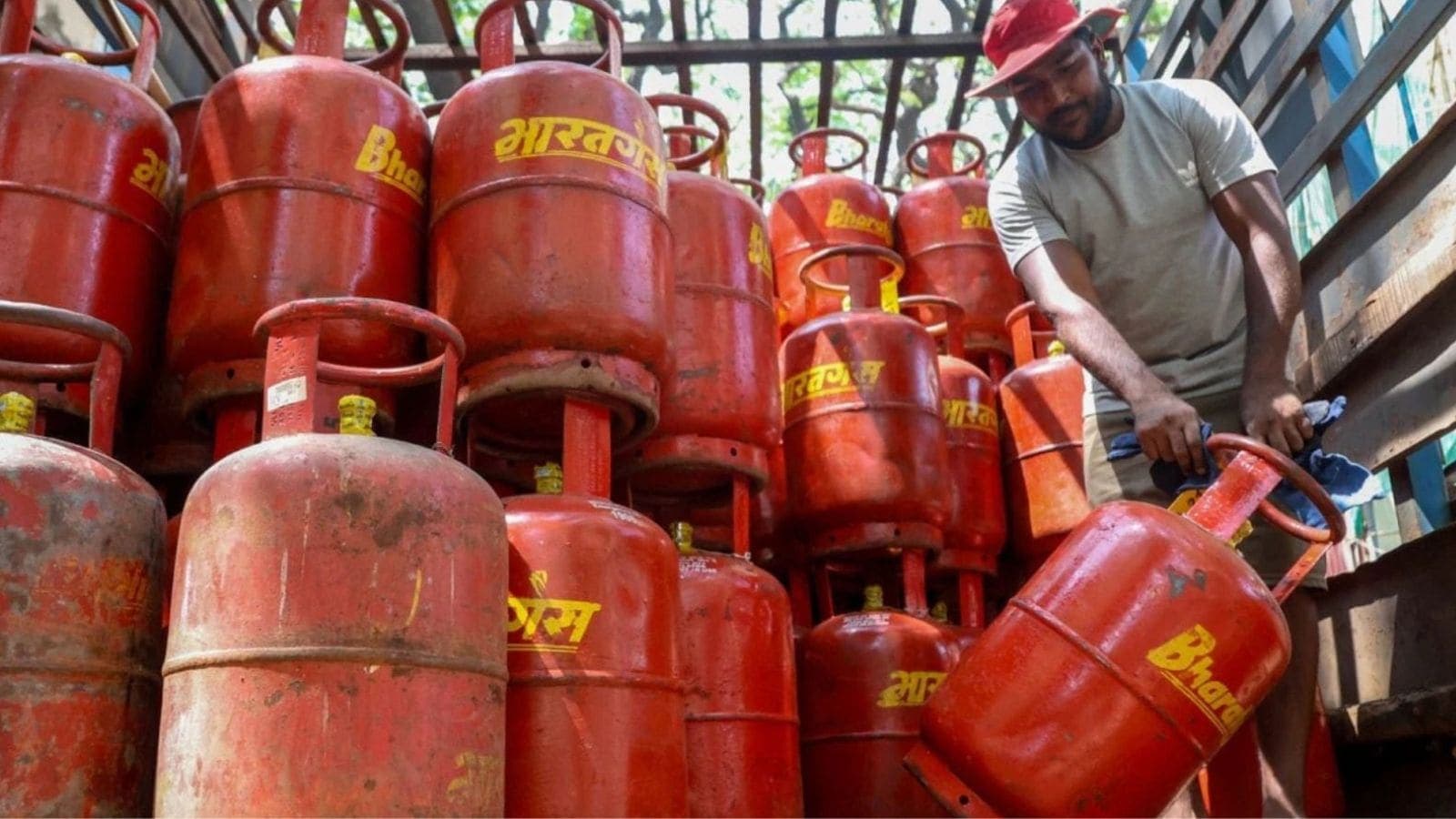
Commercial LPG prices have risen again, with increases of ₹42 in Delhi and ₹53.50 in Kolkata impacting businesses and consumers alike. Find out more.
Indian Express
Discover how a tragic coal mine explosion in Shanxi, China, reveals ongoing safety concerns in the industry amidst a push for green energy.
BBC Business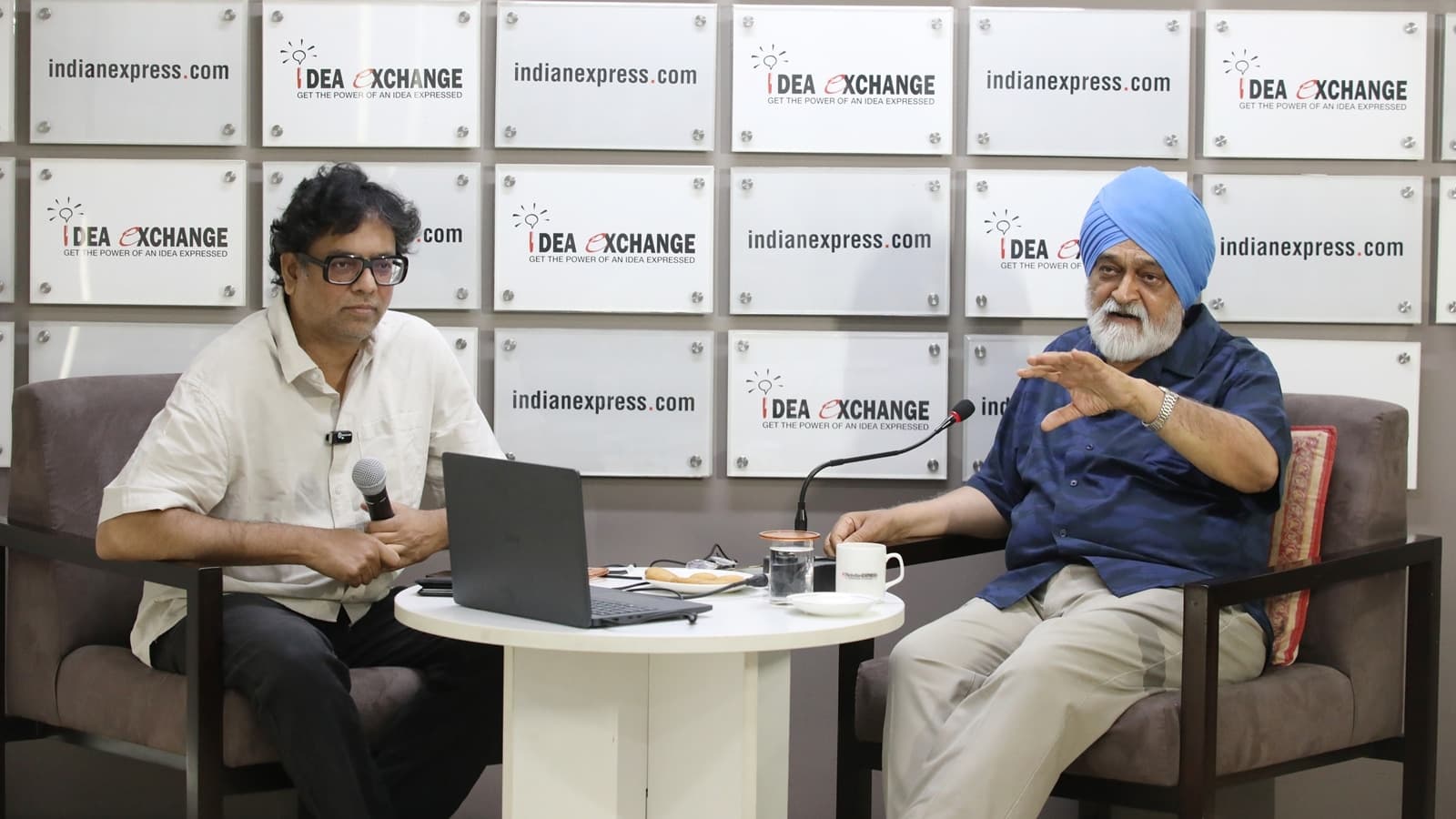
Montek Singh Ahluwalia highlights key economic challenges for India, emphasizing the need for a strategic approach to balance payments and investment.
Indian Express