
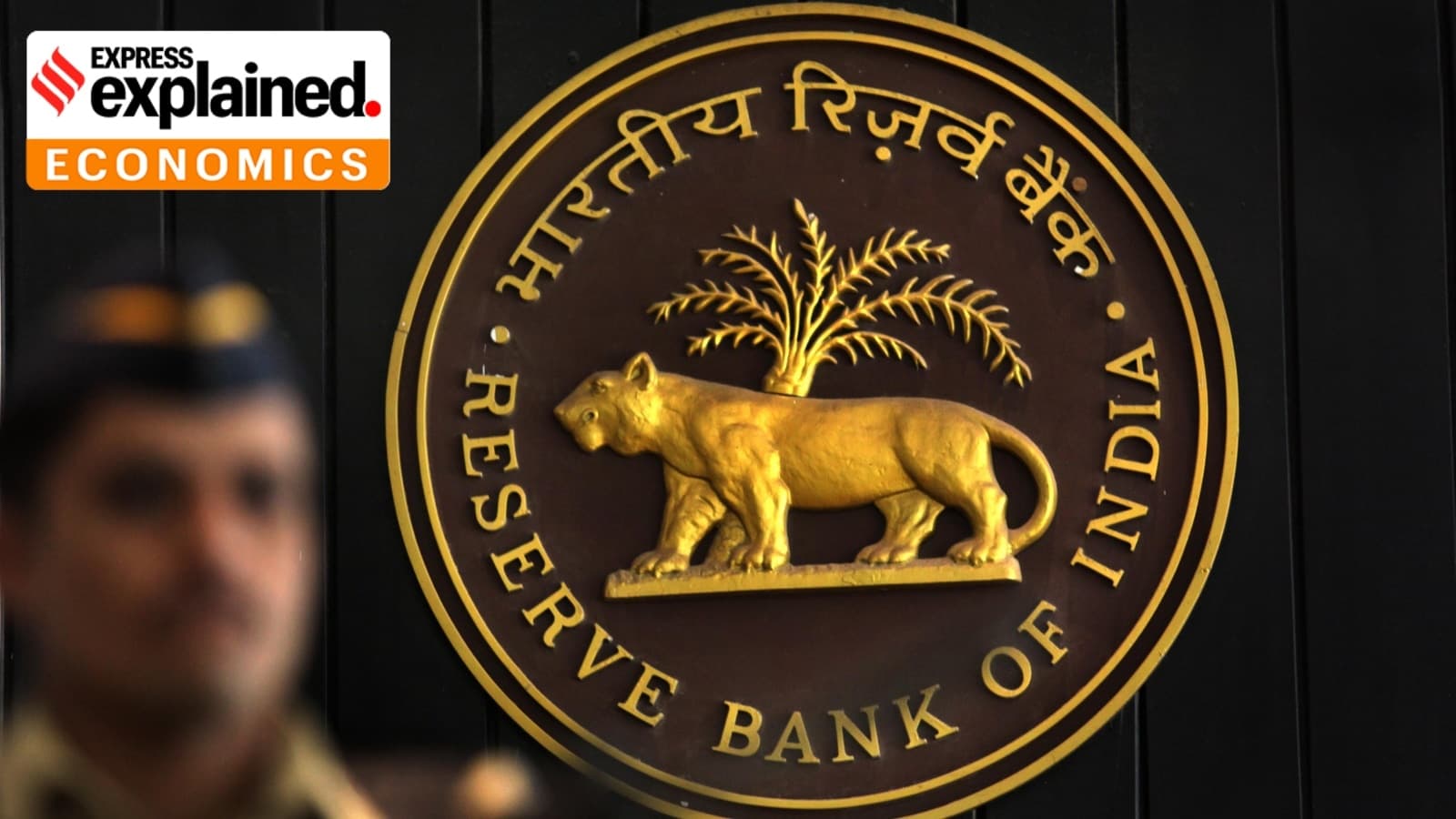
Image: Indian Express
RBI's record Rs 2.87 lakh crore dividend raises questions about its significant profits. Explore how it navigates liquidity and currency defense strategies.
GlipzoLast week, the Reserve Bank of India (RBI) made headlines by announcing a historic dividend of Rs 2.87 lakh crore to the Indian government for the financial year 2025-26. This remarkable transfer highlights not only the RBI's financial prowess but also raises questions about how such substantial earnings are generated. To understand this, we must delve into the intricacies of the RBI's operations and the economic landscape over the past year.
The RBI is not primarily focused on profit generation; rather, its mandate revolves around maintaining monetary stability, ensuring adequate liquidity in the banking system, and managing foreign exchange reserves. However, the methods employed to fulfill these objectives inadvertently lead to significant revenue streams. In 2025-26, the RBI's total income soared to a staggering Rs 4.28 lakh crore, representing an increase of 26% compared to the previous fiscal year.
Yet, despite this windfall, the RBI spent about one-third of its earnings, amounting to Rs 1.41 lakh crore. The question then arises: what drives the RBI's income, and where does this money go?
Several factors contributed to the RBI's impressive earnings last year. A combination of geopolitical tensions, fluctuating tariffs, and the surge in artificial intelligence investments led to substantial capital flight from Indian equities and debt markets. Additionally, India's gold and silver import bill reached unprecedented levels, causing the rupee to depreciate by 10% against the US dollar. In this turbulent environment, the RBI's efforts to stabilize the rupee became a primary source of its revenue.
To support the rupee, the RBI engages in selling foreign currency, a maneuver that generates profit through the differential in buying and selling prices. For example, if the RBI purchases a dollar for Rs 75 and later sells it for Rs 95, the resulting profit would amount to Rs 20 per dollar. In 2025-26, the RBI sold $195 billion of foreign currency, leading to an astonishing exchange gain from foreign exchange transactions of Rs 1.69 lakh crore, a 52% increase from the previous year.
It's important to note that the RBI does not publicly disclose details regarding the average historical costs of the foreign currency it holds or sells. This lack of transparency can obscure the complete picture of its financial operations.
While selling foreign currency can yield profits, it simultaneously creates challenges for the RBI, particularly concerning rupee liquidity. When the RBI sells dollars, it receives rupees, which can reduce the overall supply of Indian currency in circulation. Without intervention, this would inevitably lead to a rise in market interest rates.
In response, the RBI acted to prevent interest rates from climbing. It achieved this by cutting the repo rate by 125 basis points and subsequently infusing liquidity into the market. This infusion was accomplished through the purchase of government bonds worth nearly Rs 9 lakh crore from banks and other holders. These bonds, along with those already in the RBI's possession, generated interest income of Rs 1.18 lakh crore for the central bank.
To address short-term liquidity mismatches, the RBI also engaged in lending to banks. These short-term operations resulted in an interest payout of Rs 19,163 crore.
The RBI's income isn't limited to forex transactions and government bonds. In 2025-26, it also accrued Rs 1.08 lakh crore from interest on foreign securities held as part of its foreign exchange reserves, which marked an 11% increase from the previous fiscal year. Additionally, the central bank received Rs 27,407 crore in interest on foreign deposits.
However, not all expenditures were as straightforward. The RBI incurred Rs 4,875 crore for the printing of new currency, while employee costs rose by 11% to Rs 10,136 crore. These costs, while significant, paled in comparison to the central bank's major expenditure item: provisions.
Much like any financial institution, the RBI is required to set aside provisions when the value of its investments declines. This is particularly relevant when yields rise, as was experienced in 2025-26. The central bank had to allocate funds for losses associated with forward contracts, used as a strategy to defend the rupee. Collectively, these provisions amounted to an eye-watering Rs 1.09 lakh crore.
Interestingly, the RBI's provisions could have been even higher had it not reduced its Contingent Risk Buffer from 7.5% to 6.5% of its balance sheet. This strategic decision reflects a calculated risk management approach amid fluctuating economic conditions.
The RBI's financial performance has wider implications for the Indian economy. The substantial dividend paid to the government can significantly bolster public finances, enabling increased spending on infrastructure and social services. Moreover, the RBI's strategies to manage rupee stability and liquidity play a critical role in maintaining investor confidence in the Indian economy.
As we look ahead, observers should watch for how the RBI navigates the ongoing challenges posed by global economic conditions, including inflationary pressures and geopolitical tensions. Will the central bank continue to yield significant profits, or will it face new hurdles that could impact its ability to maintain monetary stability?
In conclusion, the RBI's record dividend, driven by its strategic interventions in the foreign exchange market and careful liquidity management, serves as a testament to its pivotal role in shaping India's economic landscape. The coming months will be crucial in determining how these dynamics evolve and their broader effects on the Indian economy.
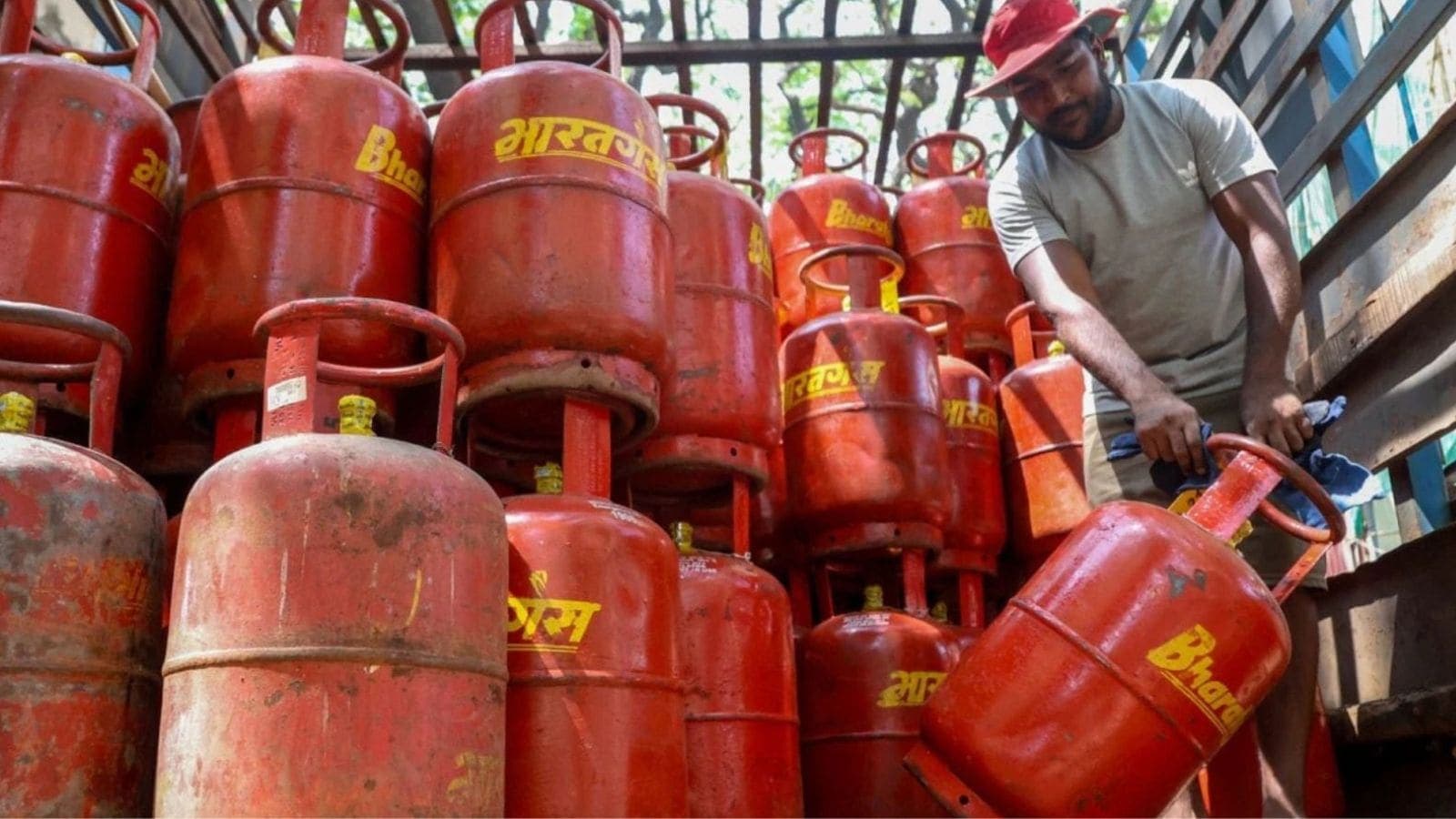
Commercial LPG prices have risen again, with increases of ₹42 in Delhi and ₹53.50 in Kolkata impacting businesses and consumers alike. Find out more.
Indian Express
Discover how a tragic coal mine explosion in Shanxi, China, reveals ongoing safety concerns in the industry amidst a push for green energy.
BBC Business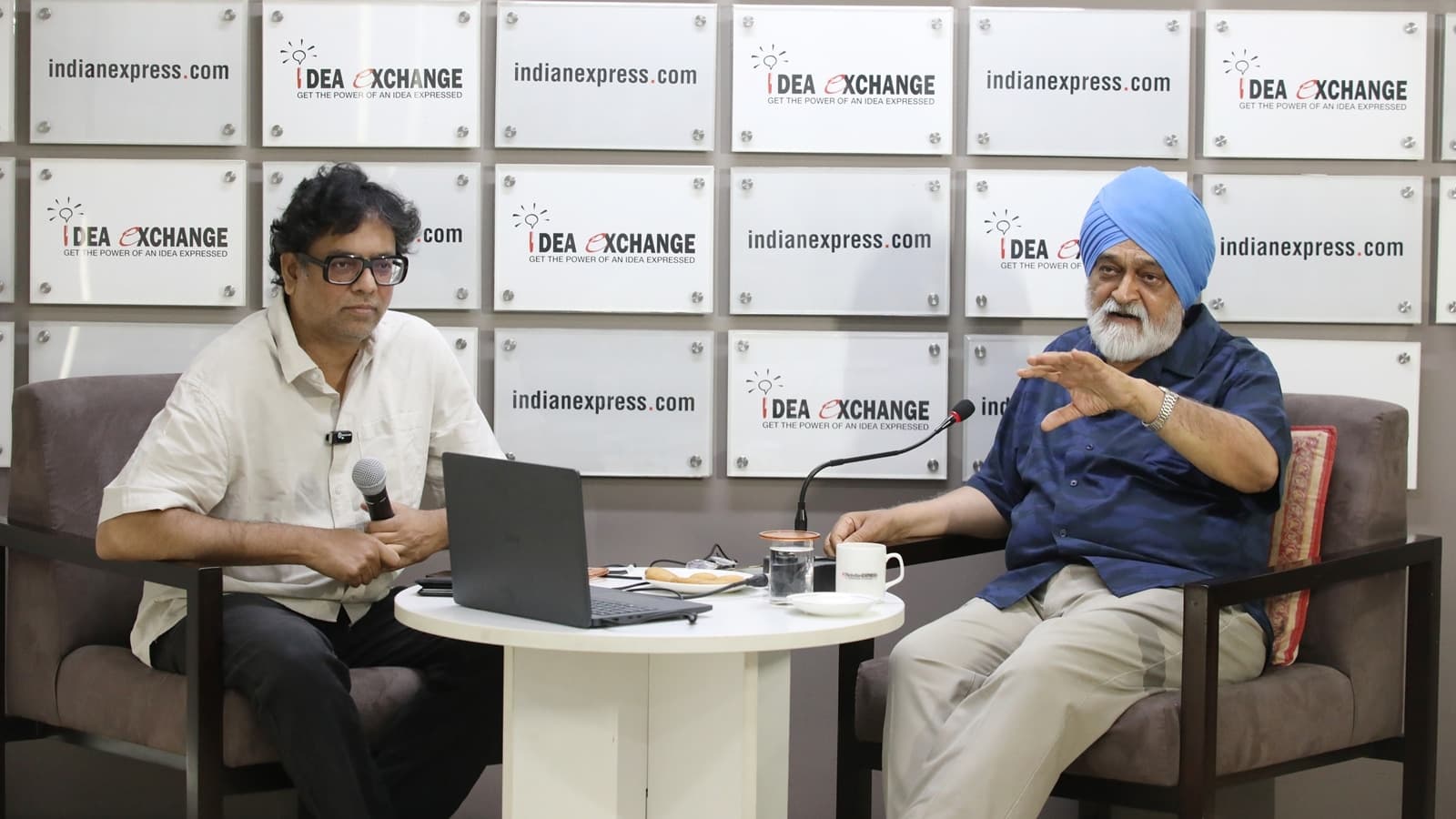
Montek Singh Ahluwalia highlights key economic challenges for India, emphasizing the need for a strategic approach to balance payments and investment.
Indian Express