
Image: Indian Express
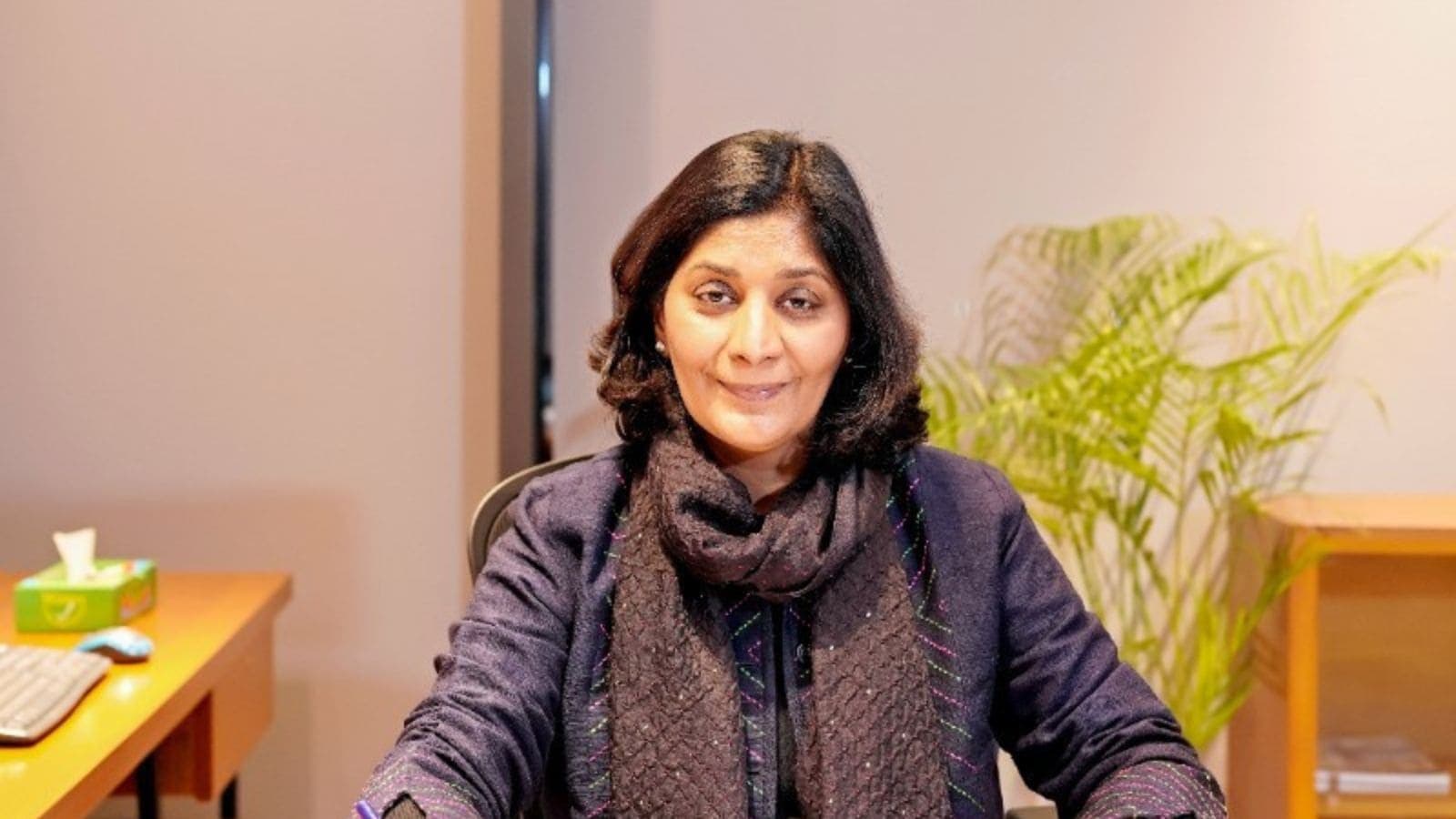
RBI's Poonam Gupta suggests India may adjust inflation targets if growth conditions evolve, emphasizing the need for flexibility amid global economic challenges.
GlipzoIn a recent address at an NCAER seminar, Poonam Gupta, the Deputy Governor of the Reserve Bank of India (RBI), made a compelling statement about the possibility of adjusting India's inflation target band. Gupta indicated that if the dynamics of growth and inflation evolve, as they have in the past decade with a combination of robust economic growth and stable inflation rates, it might be time to consider some modifications.
"If the global environment remains as challenging as it has been during the past six years, it would warrant both predictability and flexibility inherent in the existing framework," Gupta noted. This statement comes in light of the RBI's current inflation target framework, which has been set for a five-year period ending on March 31, 2031. Under this framework, the target is to maintain inflation at 4% with a permissible deviation of ±2% from FY27 to FY31.
Gupta articulated the reasons behind retaining the 4% inflation target, citing several supportive factors: - Expert Assessment: The RBI’s Expert Committee in 2014 established this target as the optimal rate for maintaining macroeconomic stability, coinciding with a zero-output gap. - Trend Reassessments: Ongoing evaluations of inflation trends in India have consistently reaffirmed this target. - Comparative Analysis: When compared to other inflation-targeting economies, India's target sits at the higher end of the scale. For instance, advanced economies like the United States, United Kingdom, and Japan typically target around 2%, reflecting their stable, low-growth environments.
Gupta emphasized that the current 4% target is not only suitable given India's economic development stage but also aligns with the experiences of other emerging markets and developed economies. She stated, "Thus, the analytical arguments, suggestions received, and international experiences seem to favor a 4% target as optimal for India."
The renewal of India’s inflation targeting framework occurs in a context filled with considerable uncertainty. Gupta pointed to various global challenges, including geopolitical tensions, supply chain disruptions, and energy price volatility, all of which contribute to a more intricate and unpredictable macroeconomic landscape. This complexity underscores the importance of maintaining a robust framework during turbulent times.
Gupta remarked, "The decision to preserve the framework’s core architecture, including the headline CPI inflation target of 4% and the ±2% tolerance band, is a policy choice of consequence. The review strengthens the framework precisely when it is most needed."
As India navigates these economic waters, the RBI's approach will be critical in balancing growth and inflation. Gupta's insights suggest a cautious but adaptive stance. The central bank may need to consider refining its core inflation measures and enhancing communication strategies as part of its ongoing work.
In conclusion, while Gupta's comments open the door to potential adjustments in India's inflation targeting framework, the central bank remains committed to ensuring that any changes reflect the broader economic realities. As we progress towards 2031, stakeholders will be keenly observing how these dynamics unfold and what adjustments, if any, might be necessary to sustain economic stability.
Understanding the inflation targeting framework is vital for economic stability in India. It affects everything from consumer prices to investment strategies and economic growth. As the RBI navigates these complexities, the decisions made will likely have long-lasting impacts on India’s economic landscape and its citizens' everyday lives.
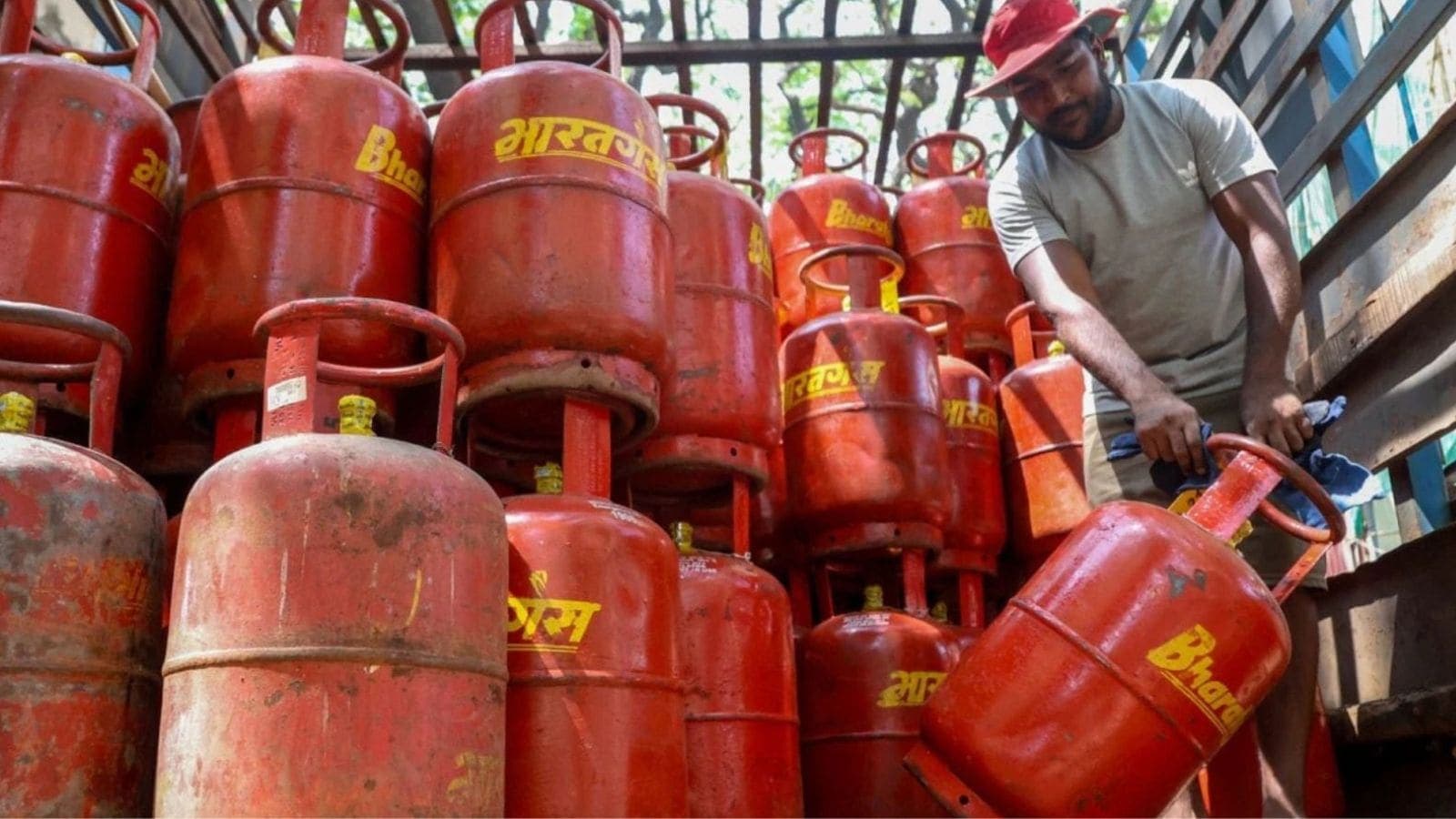
Commercial LPG prices have risen again, with increases of ₹42 in Delhi and ₹53.50 in Kolkata impacting businesses and consumers alike. Find out more.
Indian Express
Discover how a tragic coal mine explosion in Shanxi, China, reveals ongoing safety concerns in the industry amidst a push for green energy.
BBC Business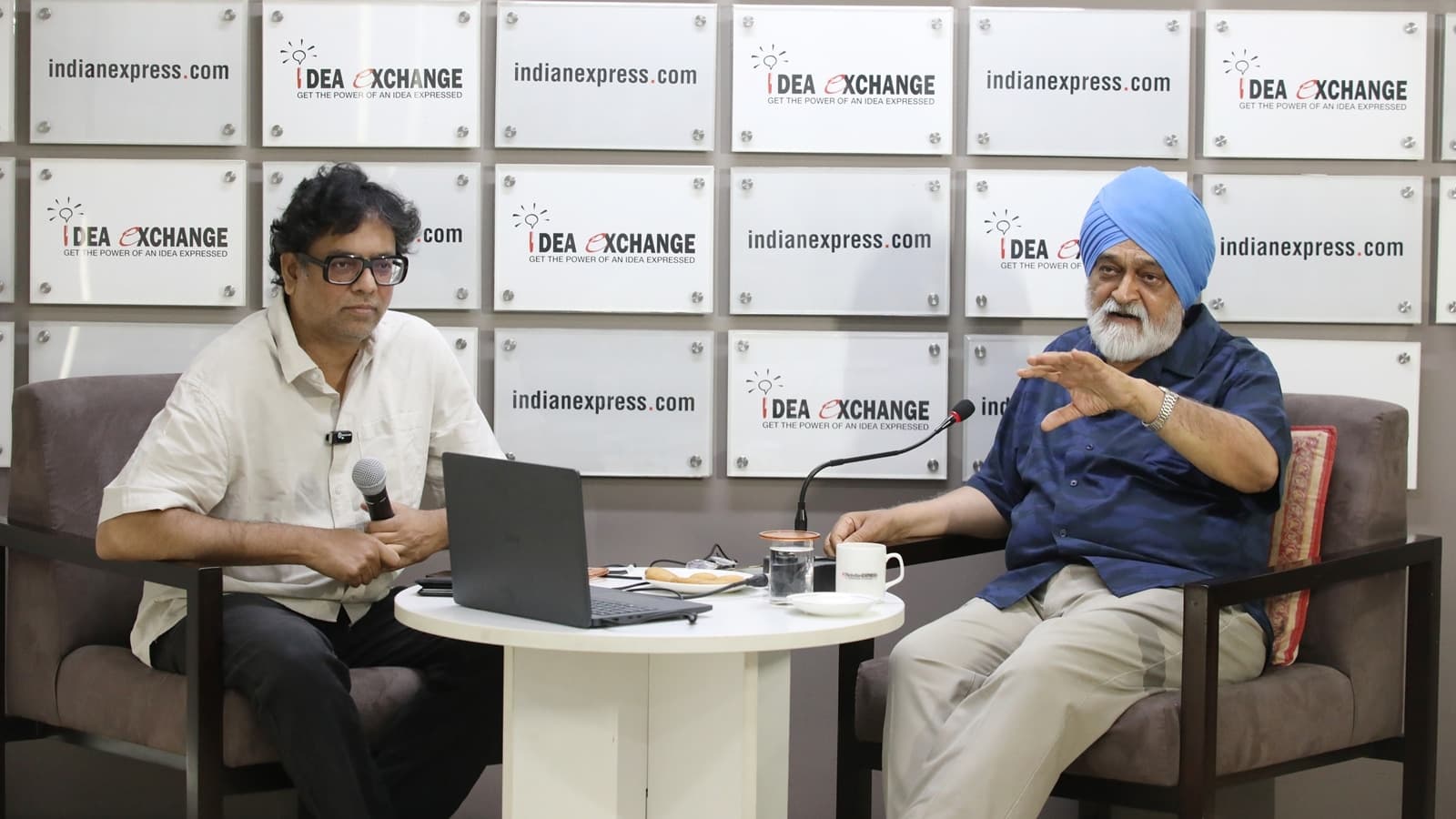
Montek Singh Ahluwalia highlights key economic challenges for India, emphasizing the need for a strategic approach to balance payments and investment.
Indian Express