
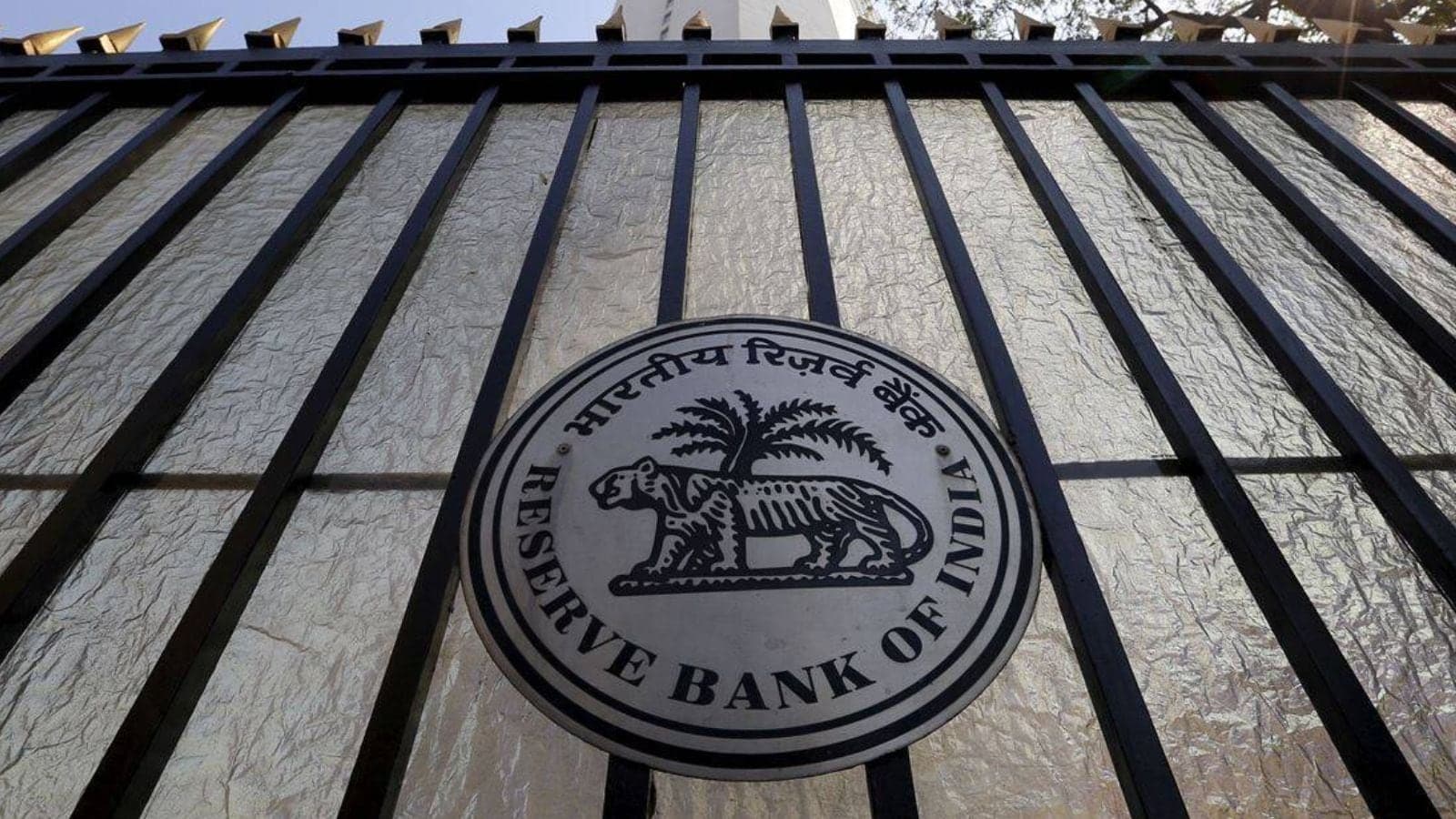
Image: Indian Express
RBI's record dividend transfer to the government rises by ₹92,000 crore after a key risk buffer cut, easing fiscal pressures amidst economic challenges.
GlipzoThe CRB is a vital component of the RBI's Economic Capital Framework, designed to safeguard against potential financial risks. By lowering the CRB, which is calculated as a percentage of the central bank's balance sheet, the RBI can allocate more resources towards the government, thereby easing the fiscal pressures faced by the Centre. This decision is especially relevant in light of recent geopolitical tensions, including the ongoing conflict in West Asia, which has implications for India’s economy.
This marks the first time the RBI has decreased its CRB, breaking a trend of consecutive increases over the past three years. The decision to lower the buffer appears to be influenced by a comprehensive review of economic conditions, including the need to support the government's financial targets amid rising expenditures related to the West Asia conflict.
According to Gaura Sengupta, Chief Economist at IDFC First Bank, the war in West Asia could lead to a fiscal slippage risk for the Centre amounting to ₹1.6 lakh crore, or 0.4% of GDP. This is compounded by recent cuts to excise duties on fuel, which will further stretch the government's finances. The Centre is currently targeting a fiscal deficit of 4.3% of GDP for this fiscal year, making the RBI’s increased dividend a timely boon.
In the fiscal year 2024-25, the RBI’s balance sheet reached ₹76.25 lakh crore, and maintaining a CRB of 7.5% meant that a substantial portion of its profits was set aside for contingencies. Therefore, had the RBI decided not to raise the CRB back in the previous year, the dividend might have been as high as ₹3.45 lakh crore.
Now, with the CRB cut, the RBI has created a pathway for a much-needed financial boost to the government, especially in light of the fiscal challenges posed by external events.
The adjustment in the CRB signals a more adaptive approach from the RBI, but it also raises questions about the long-term implications for the bank’s financial stability. Analysts and economists will be watching closely to see if further adjustments will be made to the CRB in the future, especially if economic conditions change or if additional fiscal pressures arise.
As we look ahead, the balance between maintaining adequate risk buffers and supporting government finances will be a delicate one. The RBI’s ability to navigate these challenges will play a critical role in shaping India’s economic landscape in the near future.
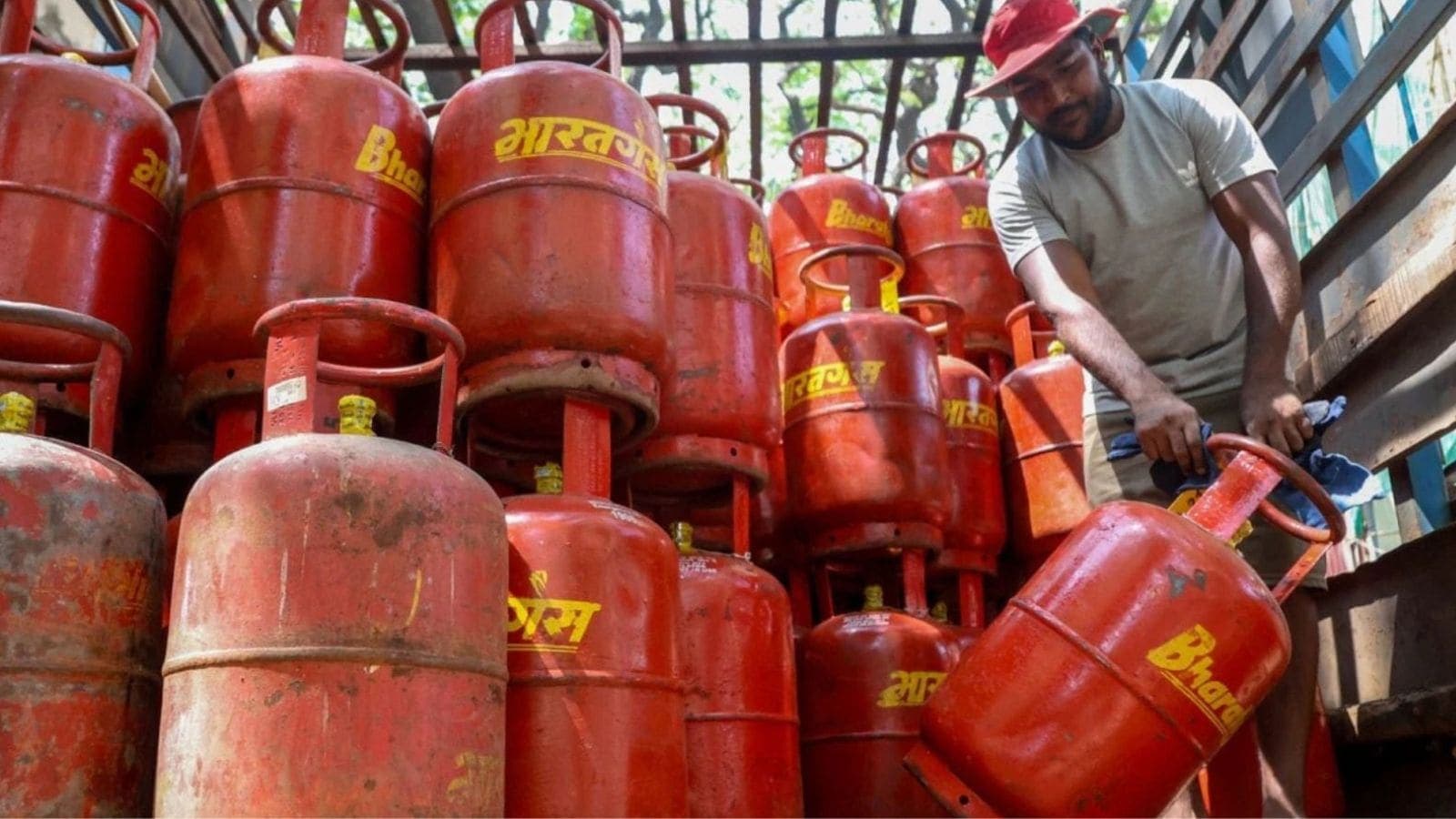
Commercial LPG prices have risen again, with increases of ₹42 in Delhi and ₹53.50 in Kolkata impacting businesses and consumers alike. Find out more.
Indian Express
Discover how a tragic coal mine explosion in Shanxi, China, reveals ongoing safety concerns in the industry amidst a push for green energy.
BBC Business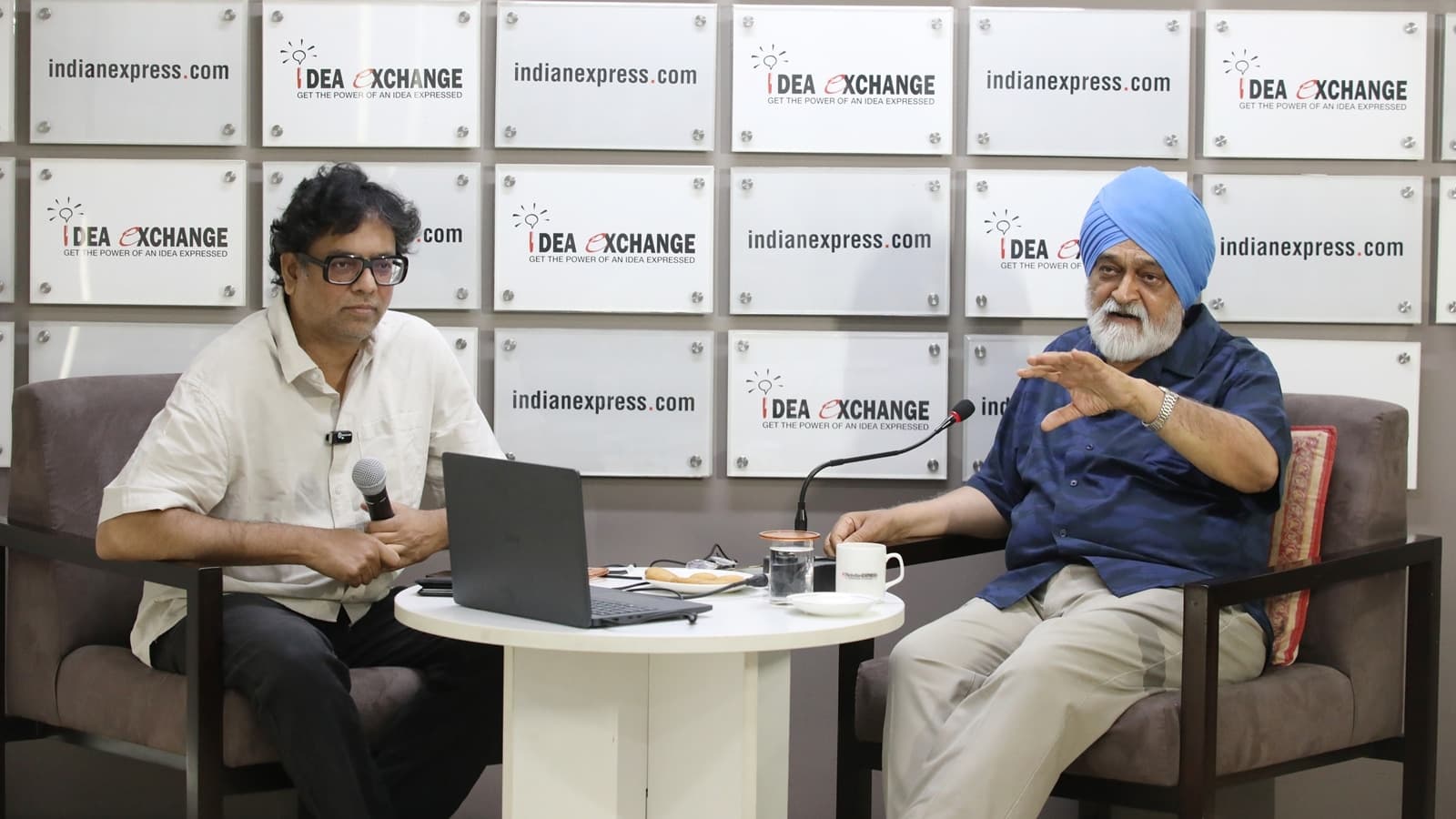
Montek Singh Ahluwalia highlights key economic challenges for India, emphasizing the need for a strategic approach to balance payments and investment.
Indian Express