
Image: Mint (Business)
Discover Rani Lakshmibai's powerful quote on sacrifice and duty during the Indian Rebellion of 1857 and its lasting impact on India's fight for freedom.
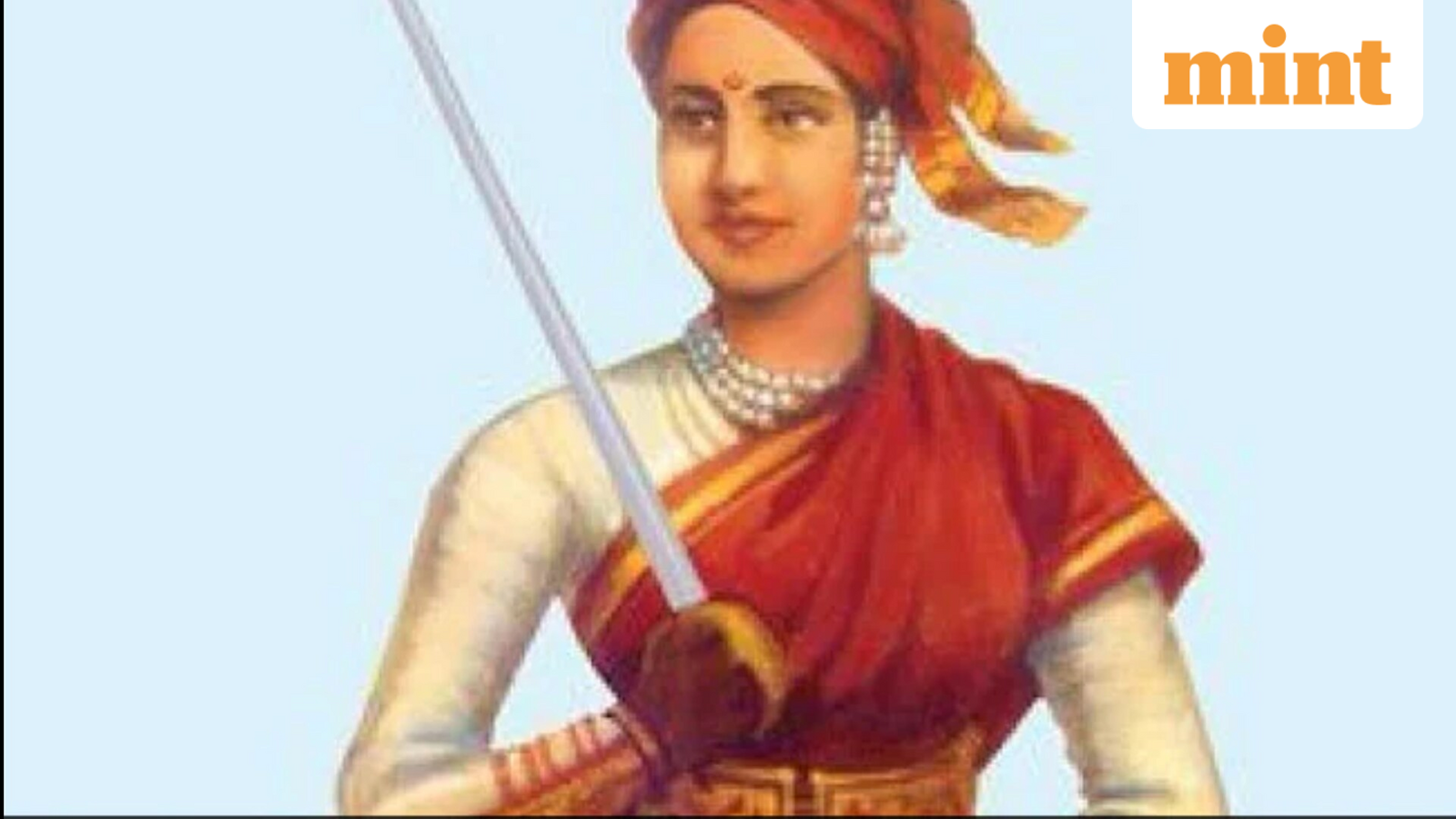
GlipzoRani Lakshmibai, a legendary figure in India's fight for independence, once declared, "If defeated and killed on the field of battle, we shall surely earn eternal glory and salvation." These profound words, spoken during the Indian Rebellion of 1857, embody a mindset rooted in valor, sacrifice, and an unwavering commitment to duty. This quote not only reflects her courage but also serves as a powerful symbol of resistance against colonial oppression.
Lakshmibai's statement reveals a perspective that views death in battle not as a defeat, but as an honor. For her, the act of fighting for justice and freedom is far more valuable than survival in submission. Even in the face of defeat, she believed that a warrior's sacrifice would be eternally revered, leading to a legacy that transcends time.
In the broader context of Indian philosophy, the notion of dying while fulfilling one’s dharma—or duty—is critical for attaining spiritual liberation. Lakshmibai’s words resonate with this belief, reinterpreting martyrdom as a pathway to remembrance and spiritual peace, rather than simply a tragic end.
At a time when British forces were tightening their grip on India, Lakshmibai's words acted as a rallying cry for both soldiers and civilians. Her message encouraged individuals to engage in the struggle for independence without fear of death, reinforcing the idea that their efforts would not be in vain.
This spirit of resistance helped spark one of the most significant revolts against British colonialism in India, galvanizing support for the uprising and fostering a sense of unity among the people.
Born as Manikarnika into a Maratha Brahmin family, Rani Lakshmibai was affectionately called “Manu” by her loved ones. Her journey took a pivotal turn in 1842 when she married Gangadhar Rao Newalkar, the ruler of Jhansi, and subsequently adopted the name Rani Lakshmibai.
Tragedy struck when the couple's only son died shortly after birth in 1851. Following this loss, they adopted a son, but the death of her husband in 1853 left Lakshmibai to govern Jhansi at merely 18 years old. Her resolve and strength during this tumultuous period laid the groundwork for her pivotal role in the Indian Rebellion of 1857, which began on May 10, 1857.
Rani Lakshmibai's courage and leadership during the rebellion made her a powerful symbol of resistance against the British Raj. Her bravery inspired countless others across India to join the fight for freedom.
The British sought to suppress the rebellion, but Lakshmibai's actions and words continued to inspire future generations in their quest for independence. Her story is not just one of personal valor; it encapsulates the spirit of an entire nation striving for self-determination.
As we reflect on Rani Lakshmibai's contributions to India's independence movement, it is essential to recognize the enduring impact of her legacy. Her words continue to resonate, inspiring new generations to fight for justice and freedom in an ever-changing world.
In a time where issues of colonialism, oppression, and social justice remain relevant, Lakshmibai's spirit of resilience and determination serves as a powerful reminder of the importance of standing up for one's beliefs. As we honor her memory and the sacrifices of those who fought alongside her, we must also consider how her story can inspire ongoing efforts towards equality and justice.
In conclusion, Rani Lakshmibai's bravery and her profound words encapsulate the essence of sacrifice and duty in the face of adversity. Her legacy urges us to reflect on our own struggles and the importance of fighting for what is just, reminding us that true glory lies in the courage to stand up for our beliefs, even in the face of defeat.

Tensions soar as the US and Iran engage in air strikes near the Strait of Hormuz, raising concerns over global oil supply and regional stability.
BBC World
Trump's international interventions face serious stalemates. What will this mean for U.S. foreign policy? Explore the critical challenges ahead.
Indian Express
Tehran denies resignation of President Masoud Pezeshkian amid claims of IRGC influence. What does this mean for Iran's political stability? Click to learn more!
Indian Express