Glipzo
WorldTechnologyBusinessSportsEntertainmentScienceHealthPolitics
Glipzo
WorldTechnologyBusinessSportsEntertainmentScienceHealthPolitics
  1. Home
  2. /
  3. Business
  4. /
  5. Rahul Gandhi Sounds Alarm on Inflation and Fuel Prices
Rahul Gandhi Sounds Alarm on Inflation and Fuel Prices

Image: Times of India

Business
Saturday, March 21, 20264 min read

Rahul Gandhi Sounds Alarm on Inflation and Fuel Prices

Rahul Gandhi warns that a weak rupee could lead to inflation and fuel price hikes, urging the government to take urgent action. What does this mean for you?

Glipzo News Desk|Source: Times of India
Share
Glipzo

Key Highlights

  • Rahul Gandhi warns of imminent inflation due to a weak rupee.
  • Predictions point towards inevitable fuel price hikes in India.
  • Rising commodity prices threaten everyday consumer goods.
  • Inflation could disproportionately affect lower-income families.

In this article

  • Rahul Gandhi's Stark Warning About Inflation In a recent statement, **Rahul Gandhi**, the leader of the Indian National Congress, issued a serious warning regarding the state of the Indian economy, particularly focusing on the **weakness of the rupee** and its implications for inflation. Speaking at a press conference, Gandhi emphasized that the declining value of the rupee against the dollar is an alarming trend that could lead to significant inflationary pressures in the country.
  • The Effects of a Weak Rupee A weak rupee means that imports become more expensive, which can trigger a cascade of higher prices for goods that rely on imported materials. **Rahul Gandhi** highlighted the following points to illustrate the potential impact of a weak rupee: - **Increased Fuel Prices**: The cost of crude oil imports rises, which may lead the government to increase fuel prices. - **Higher Prices for Consumer Goods**: Many everyday products could see price hikes, affecting the average consumer. - **Inflationary Pressures**: A sustained weak rupee could contribute to overall inflation, straining household budgets.
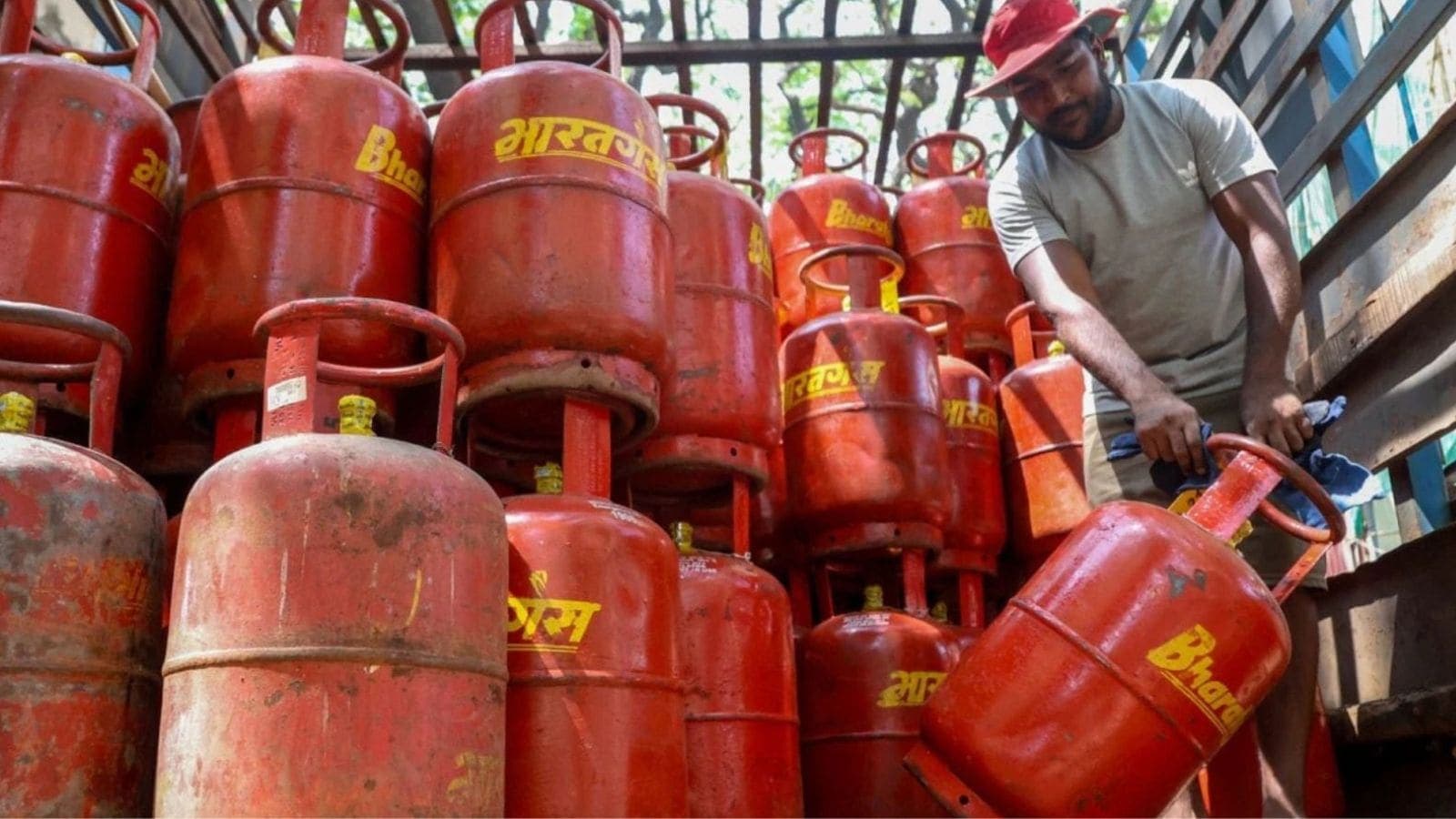
  • Predictions on Fuel Price Hikes Gandhi made a bold prediction regarding fuel prices, stating that he believes the government will increase fuel costs soon if the rupee continues to weaken. He explained that the government’s current pricing strategy is unsustainable in the face of global oil prices and a depreciating currency.
  • Context: The Current Economic Landscape Understanding the broader economic context is essential when considering Gandhi's warnings. The Indian economy has shown signs of recovery in recent months, but challenges remain. - **Global Supply Chain Disruptions**: The aftermath of the pandemic continues to affect supply chains, leading to shortages and increased costs. - **Rising Commodity Prices**: Global inflation has pushed up prices for essential commodities, including food and energy. - **Monetary Policy Adjustments**: The Reserve Bank of India has been adjusting interest rates in response to inflationary pressures, which could further affect economic growth.
  • Why It Matters: Inflation and Economic Stability Gandhi's warnings resonate deeply within the current economic climate. Inflation can erode purchasing power, leading to a decline in consumer confidence and spending. This, in turn, can stifle economic growth and lead to higher unemployment rates.
  • What Lies Ahead: Monitoring Economic Indicators As we move forward, several key indicators will be crucial to watch: - **Rupee Exchange Rate**: Monitoring changes in the rupee's value will provide insights into the broader economic stability. - **Global Oil Prices**: Fluctuations in crude oil prices will directly impact fuel costs and, subsequently, inflation. - **Government Policies**: Observing the government's fiscal and monetary responses will be essential to gauge how effectively it can manage inflation.

Rahul Gandhi's Stark Warning About Inflation In a recent statement, **Rahul Gandhi**, the leader of the Indian National Congress, issued a serious warning regarding the state of the Indian economy, particularly focusing on the **weakness of the rupee** and its implications for inflation. Speaking at a press conference, Gandhi emphasized that the declining value of the rupee against the dollar is an alarming trend that could lead to significant inflationary pressures in the country.

Gandhi's comments come at a time when the Indian economy is facing various challenges, including rising global commodity prices and the ongoing impact of the COVID-19 pandemic. He pointed out that the government’s inaction on crucial economic issues is exacerbating the situation, making it essential for citizens to prepare for potential price hikes in essential goods and services.

The Effects of a Weak Rupee A weak rupee means that imports become more expensive, which can trigger a cascade of higher prices for goods that rely on imported materials. **Rahul Gandhi** highlighted the following points to illustrate the potential impact of a weak rupee: - **Increased Fuel Prices**: The cost of crude oil imports rises, which may lead the government to increase fuel prices. - **Higher Prices for Consumer Goods**: Many everyday products could see price hikes, affecting the average consumer. - **Inflationary Pressures**: A sustained weak rupee could contribute to overall inflation, straining household budgets.

In his remarks, Gandhi urged the government to take immediate action to stabilize the rupee and address the underlying issues causing its decline. He warned that failure to act could lead to a worsening economic situation, particularly as the festive season approaches, a time when consumer spending typically spikes.

Predictions on Fuel Price Hikes Gandhi made a bold prediction regarding fuel prices, stating that he believes the government will increase fuel costs soon if the rupee continues to weaken. He explained that the government’s current pricing strategy is unsustainable in the face of global oil prices and a depreciating currency.

The former Congress president also pointed out that the rising fuel prices would disproportionately affect lower and middle-income families, who are already grappling with the effects of inflation.

Context: The Current Economic Landscape Understanding the broader economic context is essential when considering Gandhi's warnings. The Indian economy has shown signs of recovery in recent months, but challenges remain. - **Global Supply Chain Disruptions**: The aftermath of the pandemic continues to affect supply chains, leading to shortages and increased costs. - **Rising Commodity Prices**: Global inflation has pushed up prices for essential commodities, including food and energy. - **Monetary Policy Adjustments**: The Reserve Bank of India has been adjusting interest rates in response to inflationary pressures, which could further affect economic growth.

These factors contribute to a precarious situation where any additional shock, such as a significant increase in fuel prices, could have far-reaching consequences for the economy.

Why It Matters: Inflation and Economic Stability Gandhi's warnings resonate deeply within the current economic climate. Inflation can erode purchasing power, leading to a decline in consumer confidence and spending. This, in turn, can stifle economic growth and lead to higher unemployment rates.

Moreover, inflation disproportionately affects the most vulnerable segments of society, making it a critical issue for policymakers to address. The potential for rising fuel prices to ignite broader inflationary trends cannot be underestimated, and Gandhi’s call for immediate action underscores the urgency of the situation.

What Lies Ahead: Monitoring Economic Indicators As we move forward, several key indicators will be crucial to watch: - **Rupee Exchange Rate**: Monitoring changes in the rupee's value will provide insights into the broader economic stability. - **Global Oil Prices**: Fluctuations in crude oil prices will directly impact fuel costs and, subsequently, inflation. - **Government Policies**: Observing the government's fiscal and monetary responses will be essential to gauge how effectively it can manage inflation.

In conclusion, the challenges posed by a weak rupee and potential inflation are real and pressing. Rahul Gandhi's warnings serve as a call to action for both policymakers and the public to remain vigilant and proactive in addressing these economic threats. The coming months will be critical in determining the trajectory of India's economic recovery and stability.
Did you find this article useful? Share it!

Share

Related Articles

UK Fuel Prices Drop After Weeks of Increases Amid Crisis
Business
Apr 18, 2026

UK Fuel Prices Drop After Weeks of Increases Amid Crisis

UK fuel prices finally dip after weeks of increases tied to the US-Israel war. What does this mean for drivers? Read on to find out more!

BBC Business
Oil Prices Dive as Iran Declares Strait of Hormuz 'Open'
Business
Apr 18, 2026

Oil Prices Dive as Iran Declares Strait of Hormuz 'Open'

Oil prices dropped sharply after Iran stated the Strait of Hormuz is open for commercial traffic during the ceasefire in the US-Israel conflict.

BBC Business
Major Mortgage Rate Cuts Offer Hope Amid Iran War Fallout
Business
Apr 18, 2026

Major Mortgage Rate Cuts Offer Hope Amid Iran War Fallout

Major mortgage lenders are cutting rates, easing burdens for first-time buyers impacted by the Iran war. What does this mean for the housing market?

BBC Business

Categories

  • World
  • Technology
  • Business
  • Sports

More

  • Entertainment
  • Science
  • Health
  • Politics

Explore

  • Web Stories
  • About Us
  • Contact

Legal

  • Privacy Policy
  • Terms of Service

© 2026 Glipzo. All rights reserved.