
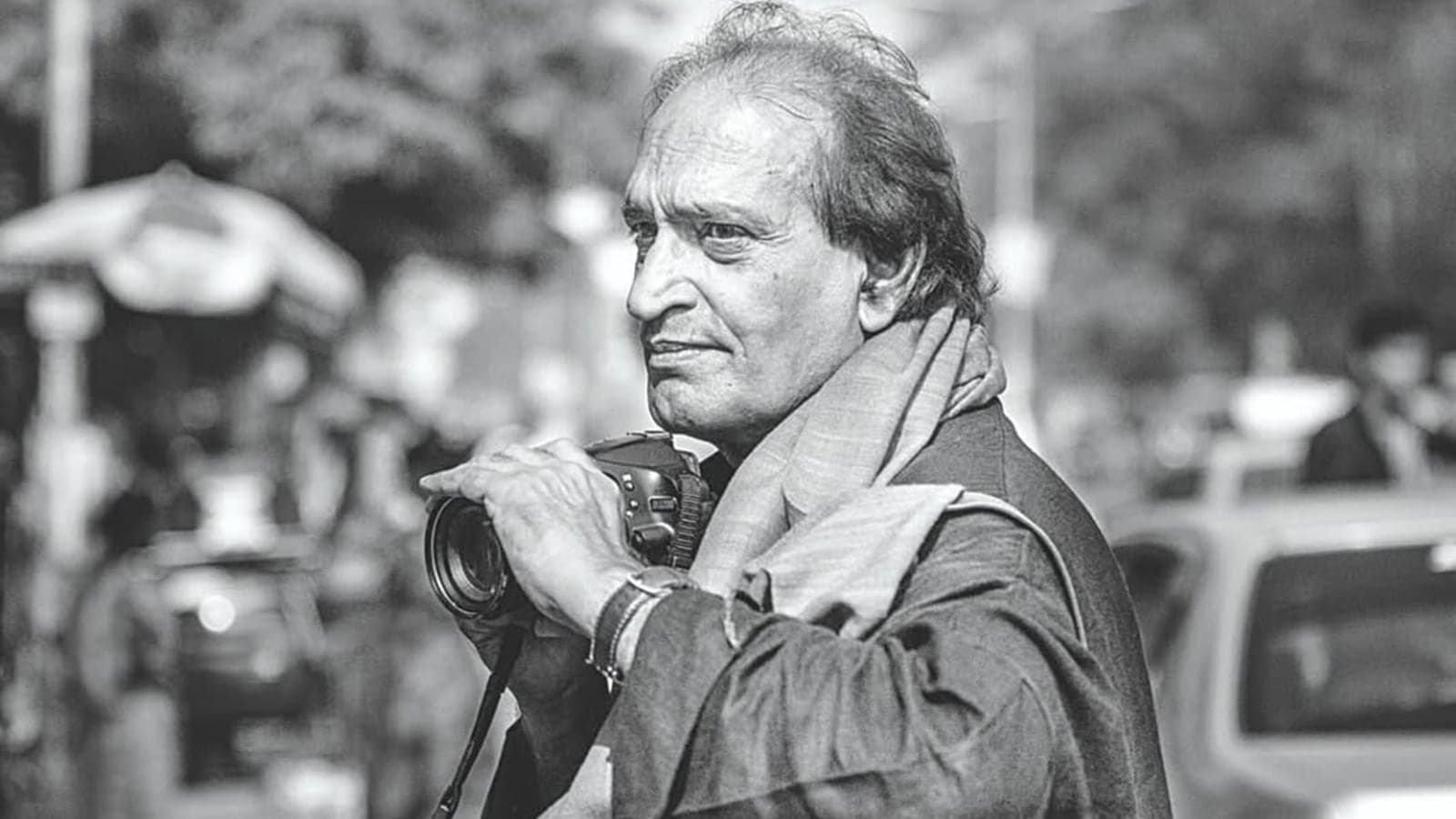
Image: Indian Express
Discover Raghu Rai's final project, a book exploring urban economies in the Global South, featuring curated images to enrich its narrative.
GlipzoRaghu Rai, the renowned Indian photographer, passed away in Delhi on Sunday, leaving behind a legacy of captivating visuals that captured the essence of urban life. Among his final contributions is a significant project—curating images for the upcoming book titled ‘City Economies in the Global South: Growth, Inclusion and Sustainability’. This publication, set to be released by Routledge, aims to explore the complexities of urban economies within developing regions, presenting a visual narrative that complements its scholarly ambitions.
Kirtee Shah, an accomplished architect and urban planner based in Ahmedabad, expressed the importance of having a photographer of Rai's caliber for the project. He remarked, “The book required images that matched its depth and credibility—qualities inherent in Raghu Rai's work. He was the perfect choice to elevate the visual storytelling.” Rai’s contribution will not only enhance the book's appeal but will also serve as a poignant reminder of his profound understanding of urban dynamics.
The Indian National Habitat Forum (INHAF), which has been at the forefront of urban discourse since its inception in 1999, initiated the project as part of its ongoing Rethinking Cities webinar series. Launched during the pandemic in 2020, this series has engaged over 600 professionals from various sectors to discuss the future of urban living.
Shah emphasized that these discussions sparked broader conversations about urban planning and governance, challenging the notion that urbanization is merely a driver of economic growth. “Our goal is to shift the narrative towards more socially cohesive, culturally rich, and ecologically responsible urban spaces,” he explained. This ethos has inspired the creation of a series of publications, with the forthcoming book being the second in line, following the successful Conservation and the Indian City: Bridging the Gap.
The inclusion of a visual dimension is crucial for the book, as it seeks to portray the lived experiences of urban economies that traditional research may overlook. Kirtee Shah noted, “The photographs selected by Raghu Rai are not mere illustrations but integral to the narrative. They reveal the realities of urban life in ways that words alone cannot.” This perspective underscores the necessity of visual storytelling in communicating the complexities of urban environments.
To facilitate this process, INHAF organized an international photography competition, inviting Rai to serve as a one-man jury. His involvement was a testament to his dedication to the project, and he worked closely with his wife, Gurmeet Rai, throughout the selection process.
The competition attracted 16 submissions, comprising nearly 100 photographs. These images were compiled and presented to Rai, who meticulously reviewed them to shortlist seven photographs for inclusion in the book. The selections will feature prominently throughout the publication, including its cover.
Those who interacted with Raghu Rai during this process described him as generous and approachable. “There was no sense of distance; he was attentive and thoughtful, always willing to share his insights,” Shah recounted. With Gurmeet Rai’s support, the collaboration became a seamless blend of mutual respect and shared vision, culminating in a rich visual narrative.
Shah further elaborated on the significance of this project by stating, “What emerged was more than just a series of images; it was a visual narrative that enriched the book’s central argument. It emphasized that cities should be viewed not just through their economic and infrastructural lenses, but also through the lives of the people who inhabit them.”
Rai's philosophy as a photographer resonated deeply with this project. He believed that “to look is not the same as to see,” highlighting that behind every statistic lies a unique story. His work consistently demonstrated that the true essence of a city—or even a nation—cannot merely be quantified by its skyline but must also reflect the faces and experiences of its citizens.
As we anticipate the release of ‘City Economies in the Global South’, it is essential to recognize the broader implications of Rai's contributions. His photographs are set to challenge readers’ perceptions of urban life by offering a more nuanced understanding of the economic and social fabrics that shape our cities. This project serves as both a tribute to Rai's legacy and an invitation for ongoing dialogue about urban development in the Global South.
In conclusion, the forthcoming publication represents a pivotal moment in urban scholarship, merging rigorous academic inquiry with powerful visual storytelling. As we await its release, it will be vital to engage in discussions around the themes it presents and to honor the vision of Raghu Rai, whose work continues to inspire and provoke thought in the realms of urban planning and photography.
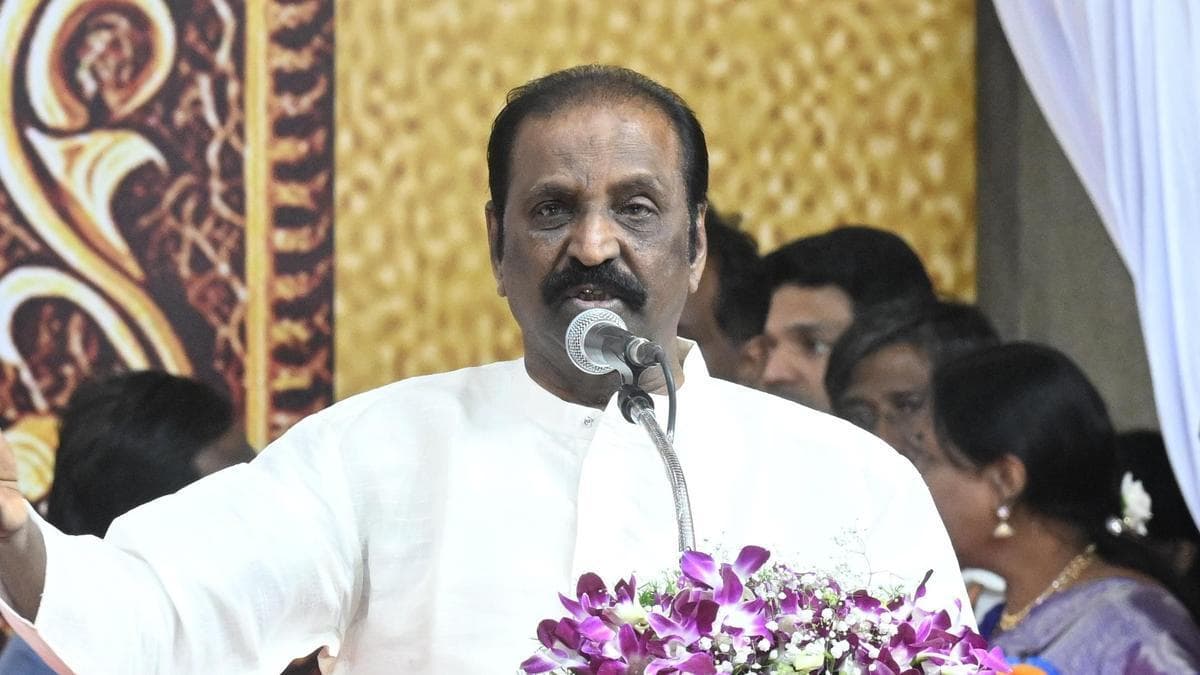
A collective of Tamil creators demands the withdrawal of Vairamuthu's Jnanpith Award due to serious moral and literary concerns. What’s next for this controversy?
The HinduDiscover the rich traditions of Ugadi, where sweet and bitter flavors symbolize life's journey. Explore the significance of bevu-bella and obattu.
The Hindu
Celebrate Chaitra Navratri 2026 with 50 heartfelt wishes, messages, and quotes to share with loved ones. Spread joy and positivity this festive season!
Times of India