
Image: The Hindu
Discover the rich traditions of Ugadi, where sweet and bitter flavors symbolize life's journey. Explore the significance of bevu-bella and obattu.
GlipzoThe festival usually falls in March or April, coinciding with the blooming of neem trees, which are believed to possess medicinal properties. Notably, neem leaves are hung on doorposts to ward off infections that flourish during the summer months. As the trees shed their winter foliage, the emergence of new leaves and fragrant white flowers signals renewal and rejuvenation, aligning perfectly with the spirit of Ugadi.
The festival also features two beloved dishes: bevu-bella and obattu (or holige). Both dishes are integral to Ugadi celebrations, highlighting regional flavors and culinary traditions.
The preparation of obattu resembles that of aloo parathas, though the flavors are distinctly sweet. The dough is crafted from maida or rava, and the filling often incorporates cardamom for added aroma. As the festival evolves, so does the creativity behind obattu, showcasing the culinary diversity of the region.
Beyond its ritualistic significance, Ratna notes that each ingredient in Ugadi pachadi plays a role in preparing the body for seasonal changes. Rooted in Ayurveda, this dish is both a feast for the senses and a nutritional powerhouse, reminding us to embrace the complexities of life.
In a world that often feels fragmented, rituals like Ugadi bring people together, fostering a sense of community and shared experiences. The practices associated with this festival, from the consumption of bevu-bella to the sharing of obattu, reinforce the values of support and resilience.
In the coming years, the celebration of Ugadi may also adapt to reflect modern values while retaining its rich heritage. Observers should watch for how communities interpret these age-old traditions, ensuring that the spirit of the festival remains alive and vibrant for generations to come.
As we approach Ugadi, let us not only relish the flavors of the season but also embrace the deeper meanings behind each ritual, fostering a culture of gratitude and optimism.
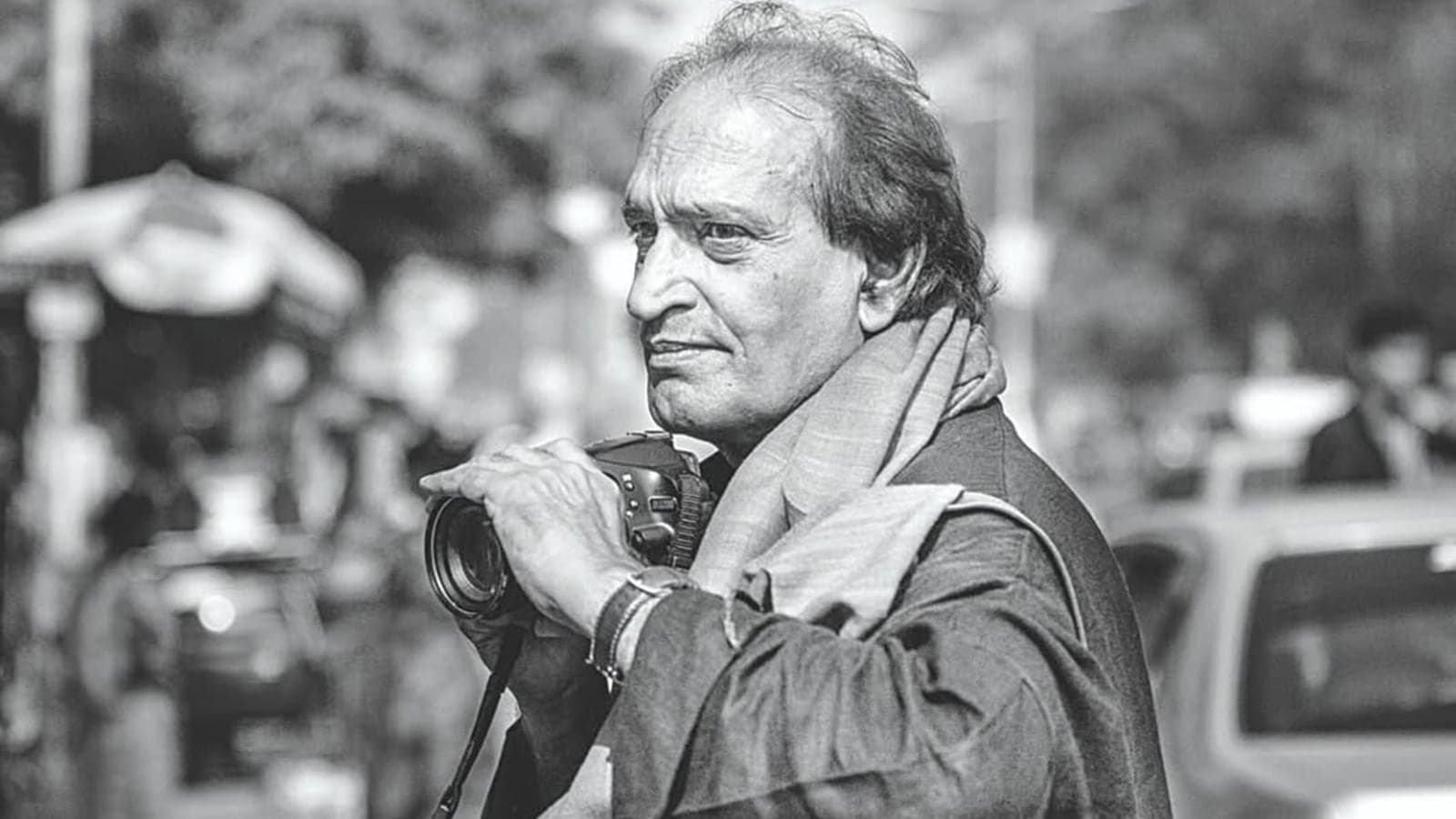
Discover Raghu Rai's final project, a book exploring urban economies in the Global South, featuring curated images to enrich its narrative.
Indian Express
A collective of Tamil creators demands the withdrawal of Vairamuthu's Jnanpith Award due to serious moral and literary concerns. What’s next for this controversy?
The Hindu
Celebrate Chaitra Navratri 2026 with 50 heartfelt wishes, messages, and quotes to share with loved ones. Spread joy and positivity this festive season!
Times of India