

Image: Times of India
PwC CEO Paul Griggs warns partners: Embrace AI or risk obsolescence. Discover why AI adoption is crucial for today's business landscape.
GlipzoIn a bold statement that has reverberated through the corporate world, Paul Griggs, the CEO of PwC US, addressed partners during a recent meeting, underlining the crucial need for artificial intelligence (AI) integration within the firm. Griggs asserted, "You have no place in this company if you don't adopt AI," emphasizing the transformative power of AI and its essential role in maintaining competitive advantage in today’s fast-paced business environment.
This urgent call to action comes at a time when the business landscape is rapidly evolving, with AI technologies reshaping industries across the globe. Griggs' remarks serve as a wake-up call for not just PwC partners, but for all professionals in the field, highlighting the critical importance of embracing innovation.
The message is clear: companies that fail to adapt to technological advancements risk being left behind. The need for AI is not merely a suggestion; it has become a necessity for survival in the corporate world.
Griggs’ statement aligns with a growing trend among industry leaders advocating for a proactive approach to technology adoption. The implications of this shift are far-reaching, impacting organizational structure, career trajectories, and even the nature of work itself.
As companies like PwC push for AI integration, the broader implications for the business sector are significant. Organizations that lag in technology adoption may find themselves at a disadvantage, facing challenges in attracting talent and serving clients effectively.
This emphasis on AI is not just limited to finance and consulting; it spans across various sectors, including healthcare, manufacturing, and retail. For instance: - In healthcare, AI is revolutionizing patient care through predictive analytics and personalized medicine. - Manufacturing firms are using AI for predictive maintenance, leading to reduced downtime and increased productivity. - In the retail sector, AI enhances customer experiences through personalized recommendations and efficient inventory management.
While the benefits of AI are clear, the road to adoption is fraught with challenges. Many professionals may feel overwhelmed by the rapid pace of technological change. Griggs’ declaration serves as a stark reminder that resistance to change could jeopardize not only individual careers but also the future of entire organizations.
For many, the question remains: How can they effectively integrate AI into their workflows? Here are some steps to consider: - Education and Training: Invest in learning opportunities to understand AI applications relevant to your job. - Collaboration: Work with tech teams or engage with AI specialists to explore tailored solutions. - Experimentation: Start small by implementing AI tools in specific areas before full-scale integration.
As we move forward, the conversation around AI will only intensify. Businesses of all sizes will need to reassess their strategies to ensure they are not only keeping pace with technological advancements but also leading in their respective fields.
Griggs' statement is a critical reminder that the integration of AI is not a distant goal but an immediate need. The firms that prioritize this transition are likely to be the ones that thrive in the long term. As AI continues to evolve, it will be essential for professionals to stay informed and engaged with these technologies.
In conclusion, Paul Griggs’ emphatic directive not only sets a tone for PwC’s internal culture but also serves as a crucial reminder to the entire business community: embrace AI or risk obsolescence. The future is here, and it is powered by artificial intelligence.
Griggs’ message is a call to action—one that underscores the urgency for professionals to adapt, learn, and innovate in an AI-driven world.

Commercial LPG prices have risen again, with increases of ₹42 in Delhi and ₹53.50 in Kolkata impacting businesses and consumers alike. Find out more.
Indian Express
Discover how a tragic coal mine explosion in Shanxi, China, reveals ongoing safety concerns in the industry amidst a push for green energy.
BBC Business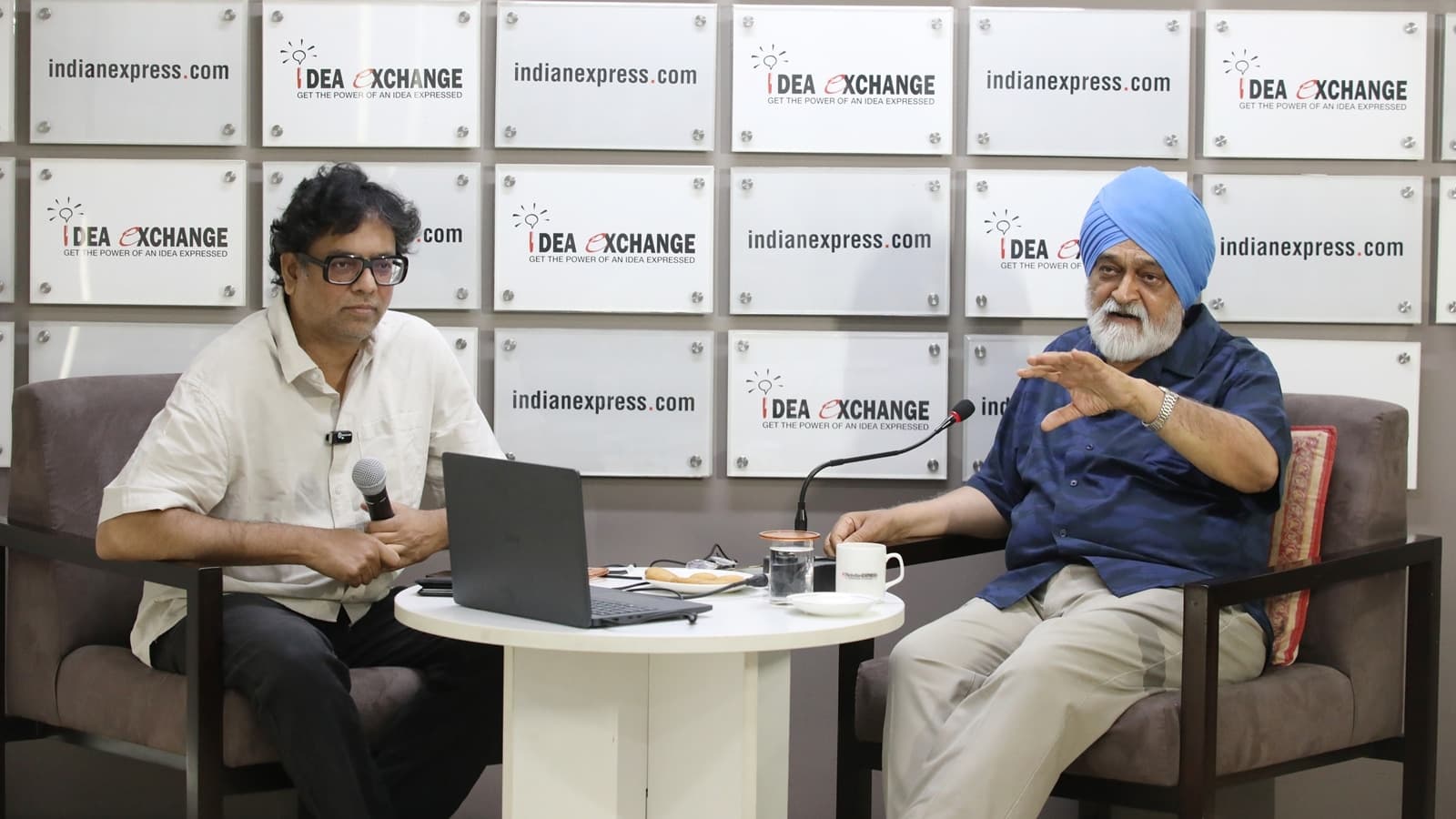
Montek Singh Ahluwalia highlights key economic challenges for India, emphasizing the need for a strategic approach to balance payments and investment.
Indian Express