
Image: BBC World
Putin vows retaliation after Ukraine's drone strike kills six in Starobilsk. What will this mean for the conflict? Read on for a detailed analysis.
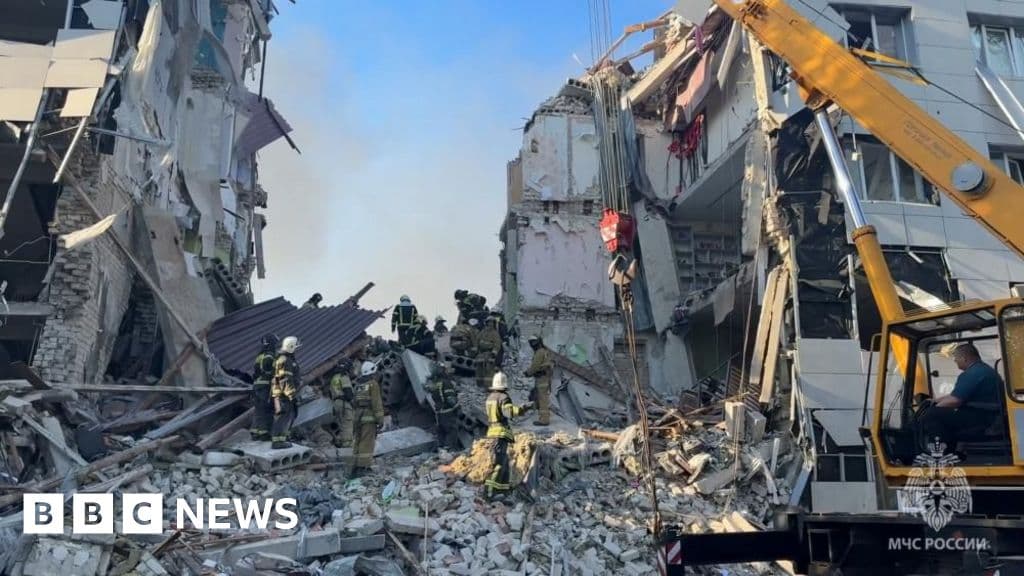
GlipzoIn a shocking escalation of tensions, Russian President Vladimir Putin has vowed to retaliate after accusing Ukraine of a deadly drone strike that targeted a student dormitory in the occupied town of Starobilsk, located in the Luhansk region. The attack, which occurred overnight, resulted in the tragic death of six individuals and left 39 others injured, with an additional 15 people reported missing.
Putin's comments came as he addressed the media from Moscow, emphasizing the severity of the incident. He stated, "There are no military facilities, intelligence service facilities, or related services in the vicinity," firmly denying any military presence that could have justified a strike. This assertion raises questions about the accuracy of the claims being made by both sides amidst the ongoing conflict.
In response to the accusations, Ukraine's military stated that the strike was aimed specifically at the headquarters of Russia's elite Rubicon drone military unit in Starobilsk. However, they did not confirm whether this was indeed the same building cited by Russian officials. The Ukrainian forces claimed that their operations were within the bounds of international humanitarian law, aimed at military targets rather than civilians.
According to Putin, the Ukrainian assault was executed in three phases using 16 drones. This coordinated attack, he alleges, underscores a broader strategy by Ukraine to destabilize the region and provoke further retaliation from Russia.
Russian state media aired footage of one of the injured students, identified as Diana Shovkun, a 19-year-old who suffered head injuries from debris. However, the Kremlin has faced criticism for not providing evidence regarding the fatalities it claims occurred during the attack. No images or videos of the deceased were released, leading to skepticism about the reported casualties.
Amidst these events, the Ukrainian military has accused the Rubicon unit of frequently targeting civilian areas and infrastructure, perpetuating the cycle of violence that has marked the conflict since Russia's full-scale invasion in 2022. Ukraine’s President Volodymyr Zelensky recently stated that a strike also targeted the headquarters of the FSB, Russia's security service, in the Kherson region, resulting in approximately 100 casualties among Russian forces.
The recent events highlight the ongoing struggle between Ukraine and Russia, with each side accusing the other of war crimes and violations of humanitarian law. Since the onset of the conflict, Ukraine has repeatedly criticized Russian military actions as deliberate attacks against civilians, while Moscow has consistently denied such allegations. The cycle of blame and retaliation has only intensified the humanitarian crisis in the region, with rising numbers of civilian casualties.
The situation in Ukraine is not just a regional conflict; it has significant implications for global security and international relations. NATO and other Western nations have been closely monitoring the developments, as they could lead to further escalation or even a broader military confrontation. The humanitarian impact on civilians continues to grow, making international attention and intervention more critical than ever.
As tensions rise, the world watches with bated breath. Putin's order for military proposals on retaliation indicates that Russia is preparing for a potential escalation in military action. With both sides launching strikes and retaliatory measures, it is crucial to remain vigilant regarding future developments. Key points to watch for include: - Further military actions from both Ukraine and Russia in the coming days. - Possible international responses or sanctions against Russia if civilian casualties continue to mount. - Diplomatic efforts to broker a ceasefire or peace talks, which appear increasingly urgent amid the rising death toll.
In conclusion, as this conflict unfolds, the need for a comprehensive and peaceful resolution becomes ever more pressing. The world is watching, and the stakes have never been higher for the people of Ukraine and the broader region.
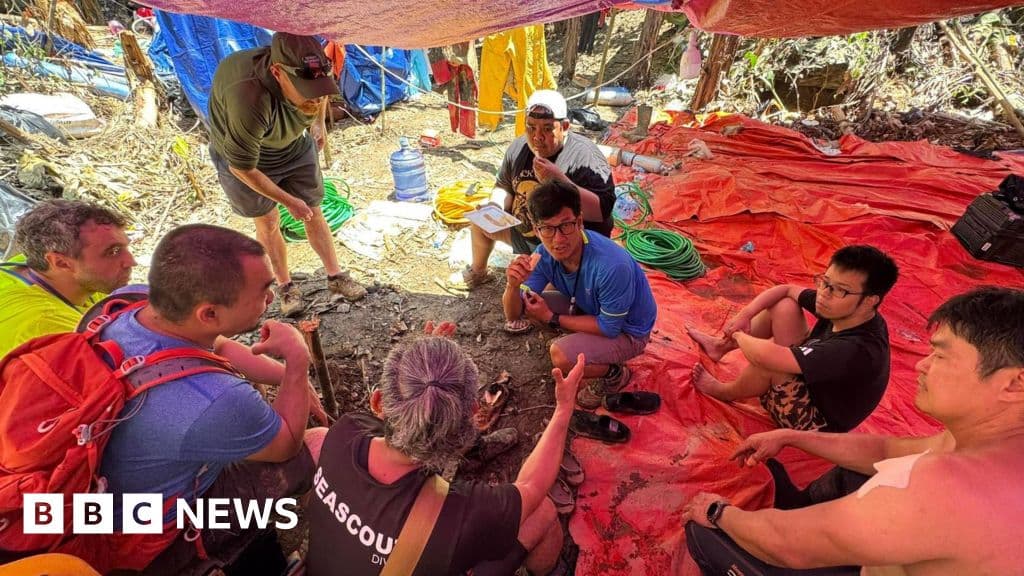
Survivors of the Laos cave rescue are aiding efforts to find the last two missing men trapped inside, sharing crucial insights for the search operation.
BBC World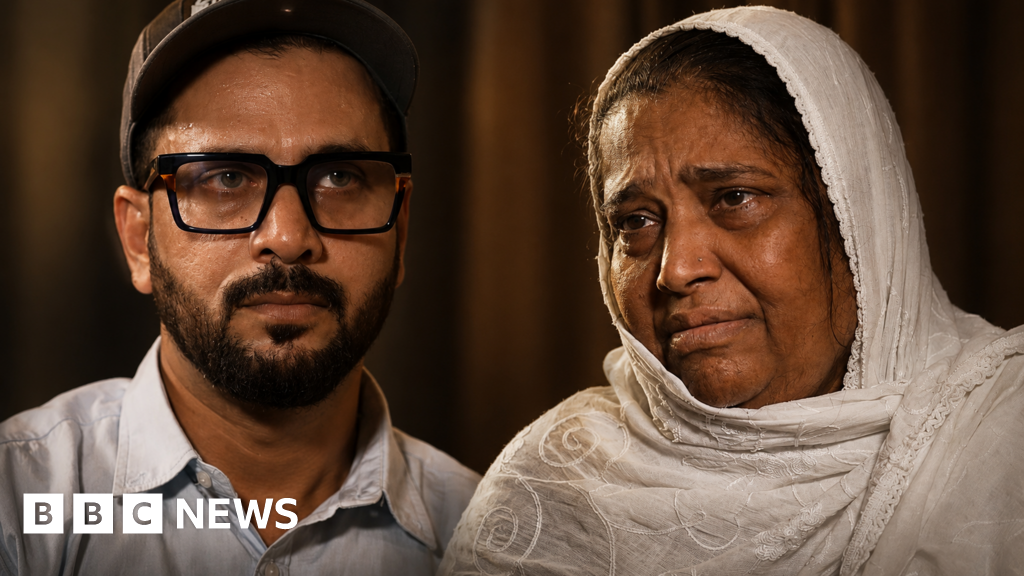
A year after the tragic Air India crash, the Ali family reflects on grief, unanswered questions, and the enduring bonds of love in the face of loss.
BBC Business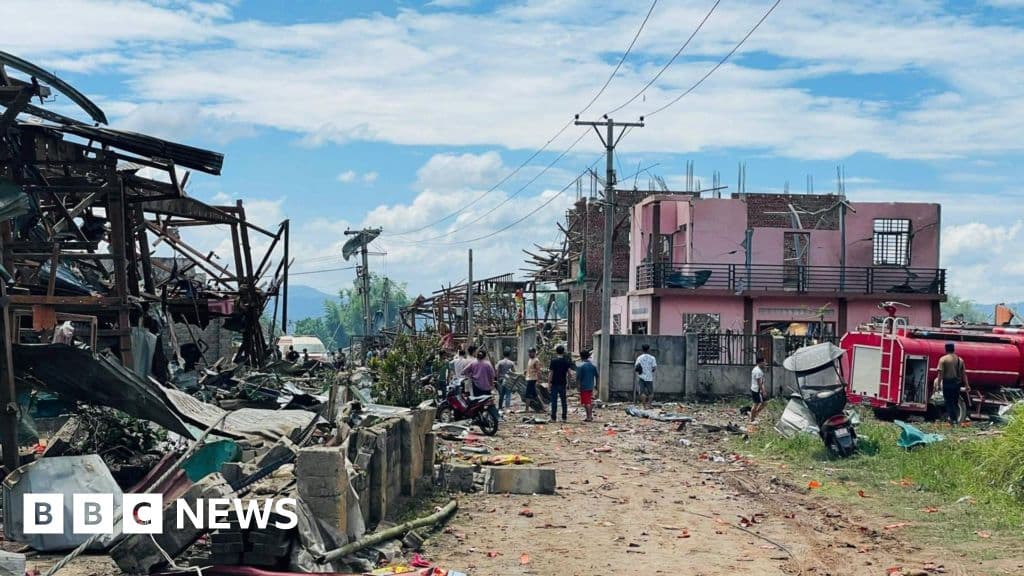
A devastating explosion in Myanmar's Kaung Tat village has killed at least 55 people, raising serious safety concerns and questions about civilian protection in conflict zones.
BBC World