
Image: BBC World
Discover how Pope Leo's visit to Equatorial Guinea highlights critical human rights issues, urging reforms in prisons and governance in this oil-rich nation.
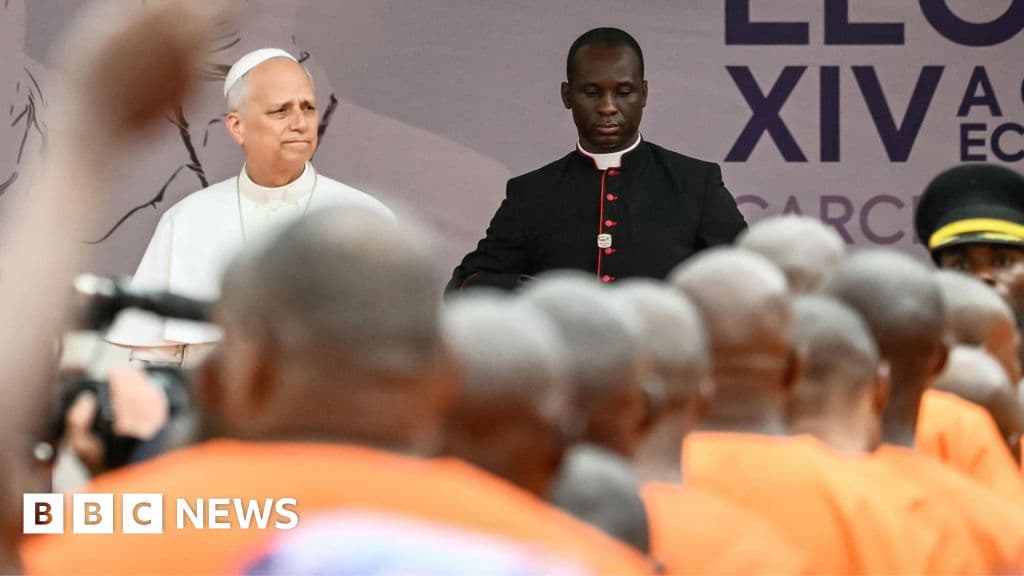
GlipzoIn his address during a Mass at the Basilica of the Immaculate Conception in Mongomo, the Pope highlighted the struggles faced by the poorest citizens, particularly those incarcerated in the country’s prisons. He stated, “My thoughts go to the poorest, to families experiencing difficulty, and to prisoners who are often forced to live in troubling hygienic and sanitary conditions.” His remarks come as he prepares to visit a notorious prison in Bata, known for its dire conditions and reports of abuse.
Pope Leo’s visit is not just a ceremonial gesture; it is a call for action. He urged the people of Equatorial Guinea to prioritize the common good over individual interests, emphasizing the need to bridge the gap between the wealthy elite and the impoverished majority. “The Creator has endowed you with great natural wealth. I urge you to work together so that it may be a blessing for all,” he remarked, warning that the nation's future hinges on the choices of its citizens.
The World Bank reports that more than half of Equatorial Guinea’s population lives in poverty, despite the nation’s substantial oil revenues. Additionally, Transparency International ranks Equatorial Guinea among the most corrupt countries globally, further complicating the socio-economic landscape. In light of these conditions, Pope Leo's visit and remarks resonate deeply, highlighting the urgent need for reform and accountability.
Political dissent in Equatorial Guinea is severely restricted, with the state controlling most media outlets and tightly regulating the flow of information. This environment of censorship exacerbates the challenges faced by those who dare to speak out against the government.
In recent weeks, the Pope has also engaged in global political discourse, criticizing figures such as Donald Trump for their foreign policy stances. His willingness to address contentious issues demonstrates a bold approach during his papacy, focusing on human rights and social justice.
Looking ahead, observers will be keen to see whether the Pope’s words resonate with the people of Equatorial Guinea and inspire action towards a more just and equitable society. Furthermore, the implications of his visit may extend beyond the borders of Equatorial Guinea, potentially influencing how African nations handle human rights and governance in the future.
In conclusion, Pope Leo's visit not only highlights the pressing issues within Equatorial Guinea but also serves as a reminder of the broader struggles for dignity and justice faced by many across Africa. His advocacy for the marginalized underscores the critical need for change in a region rich in resources yet challenged by deep-rooted political and social issues.
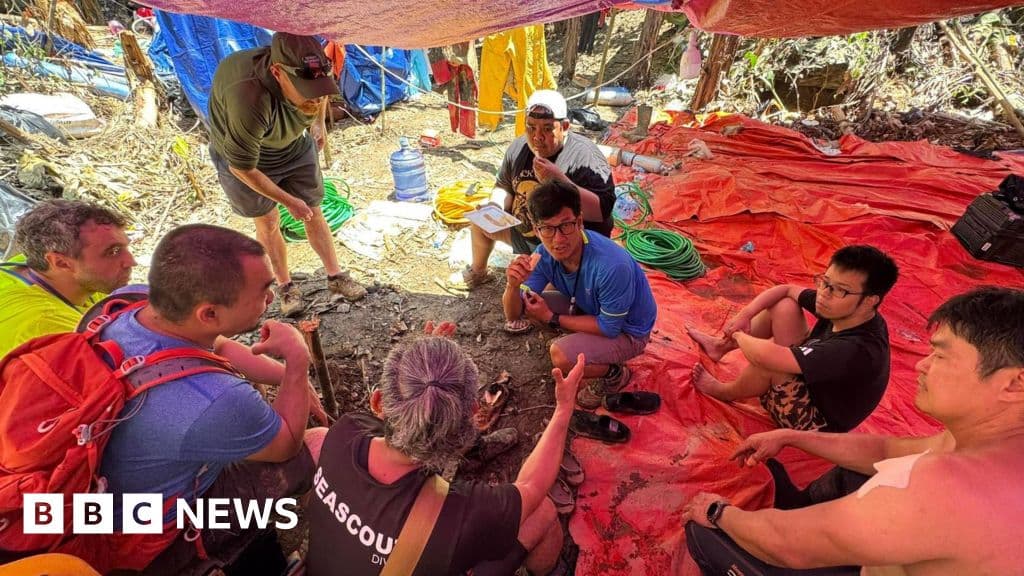
Survivors of the Laos cave rescue are aiding efforts to find the last two missing men trapped inside, sharing crucial insights for the search operation.
BBC World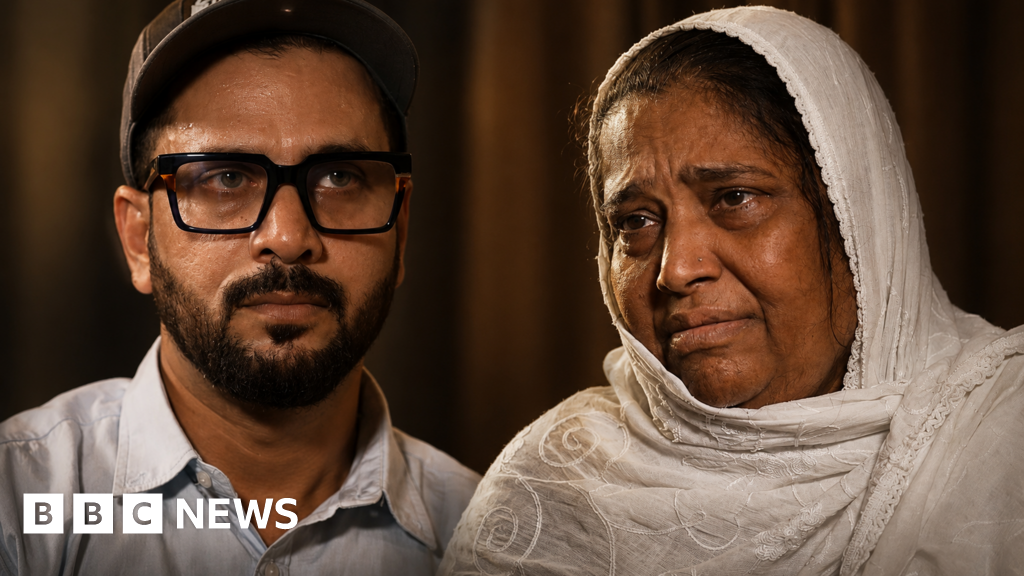
A year after the tragic Air India crash, the Ali family reflects on grief, unanswered questions, and the enduring bonds of love in the face of loss.
BBC Business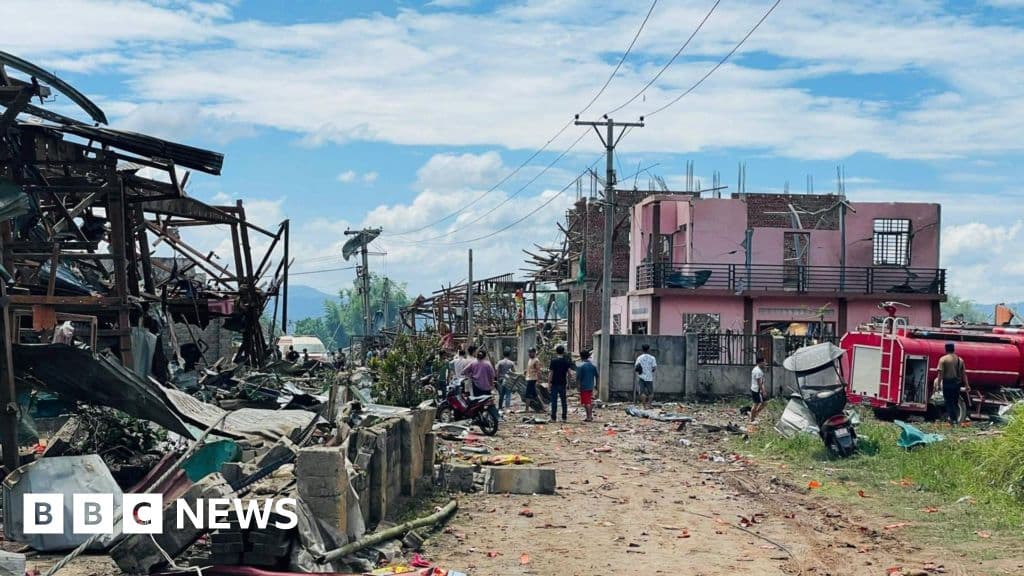
A devastating explosion in Myanmar's Kaung Tat village has killed at least 55 people, raising serious safety concerns and questions about civilian protection in conflict zones.
BBC World