
Image: Indian Express
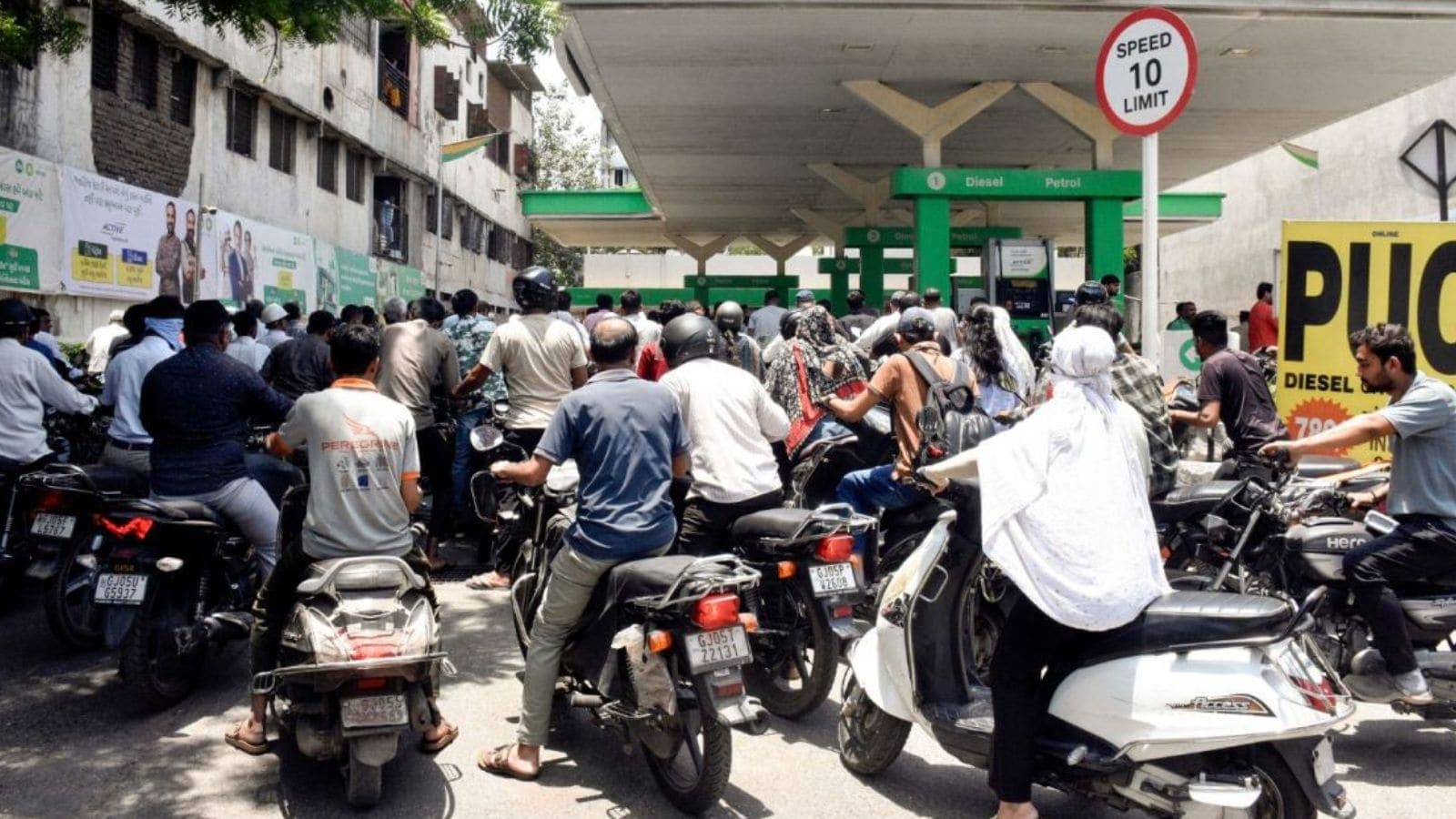
Fuel prices in India rise again: petrol by Rs 2.61 and diesel by Rs 2.71. Discover the reasons behind these hikes and what to expect next.
GlipzoIn a troubling development for consumers, petrol prices in India have seen an increase of Rs 2.61 per litre, while diesel prices have jumped by Rs 2.71 per litre as of Monday. This marks the fourth hike in less than two weeks, leaving many to question the stability of fuel prices in a rapidly changing global economic landscape.
The latest increase comes just days after a previous hike of up to 91 paise per litre on Saturday, which was the third adjustment in a series of price hikes that began earlier this month. Initially, prices were raised by Rs 3 per litre on May 15, followed by an increase of 90 paise on May 19. This pattern indicates a troubling trend for consumers as fuel prices continue to rise.
The recent uptick in fuel prices can be attributed, in part, to the ongoing conflict in West Asia. This geopolitical tension has resulted in the closure of the Strait of Hormuz, a vital maritime route that facilitates the movement of nearly 20% of the world's oil traffic. The closure has created significant pressure on state-run oil marketing companies in India, forcing them to adjust prices to mitigate losses.
The implications of these price increases extend beyond just the cost of fuel. Higher petrol and diesel prices can have a cascading effect on the economy, impacting transportation costs, goods prices, and ultimately the consumer's wallet. Here are some key points to consider:
The closure of the Strait of Hormuz is particularly concerning given its significance in the global oil market. According to reports, the ongoing conflict has escalated the risk of supply disruptions, leading to higher crude oil prices worldwide. This international crisis has not only affected Indian consumers but also markets globally, resulting in a significant economic ripple effect.
The Indian government and oil companies are facing a tough balancing act. While they must respond to global prices and pressures, they also need to address domestic economic conditions and public sentiment regarding rising fuel costs. As consumers brace for the impact, the government may need to explore measures to alleviate the situation, such as:
As we look ahead, the outlook remains uncertain. The potential for further escalations in West Asia could lead to additional price hikes in the coming weeks. Consumers are advised to stay informed about developments in the oil markets and geopolitical tensions that could affect prices.
In the meantime, industry experts suggest monitoring the situation closely for any signs of relief or further increases. Here are some factors to keep an eye on:
Understanding the dynamics of fuel prices is crucial for consumers and businesses alike. As the cost of fuel rises, it affects everyone’s daily life, from commuting costs to overall economic growth. The current situation serves as a reminder of how interconnected our global economy is and the ramifications of geopolitical events on local markets.
In conclusion, as India navigates these turbulent times, the focus will be on how both government and consumers respond to these challenges. Keeping informed will be essential as we witness how the situation unfolds in the coming weeks.
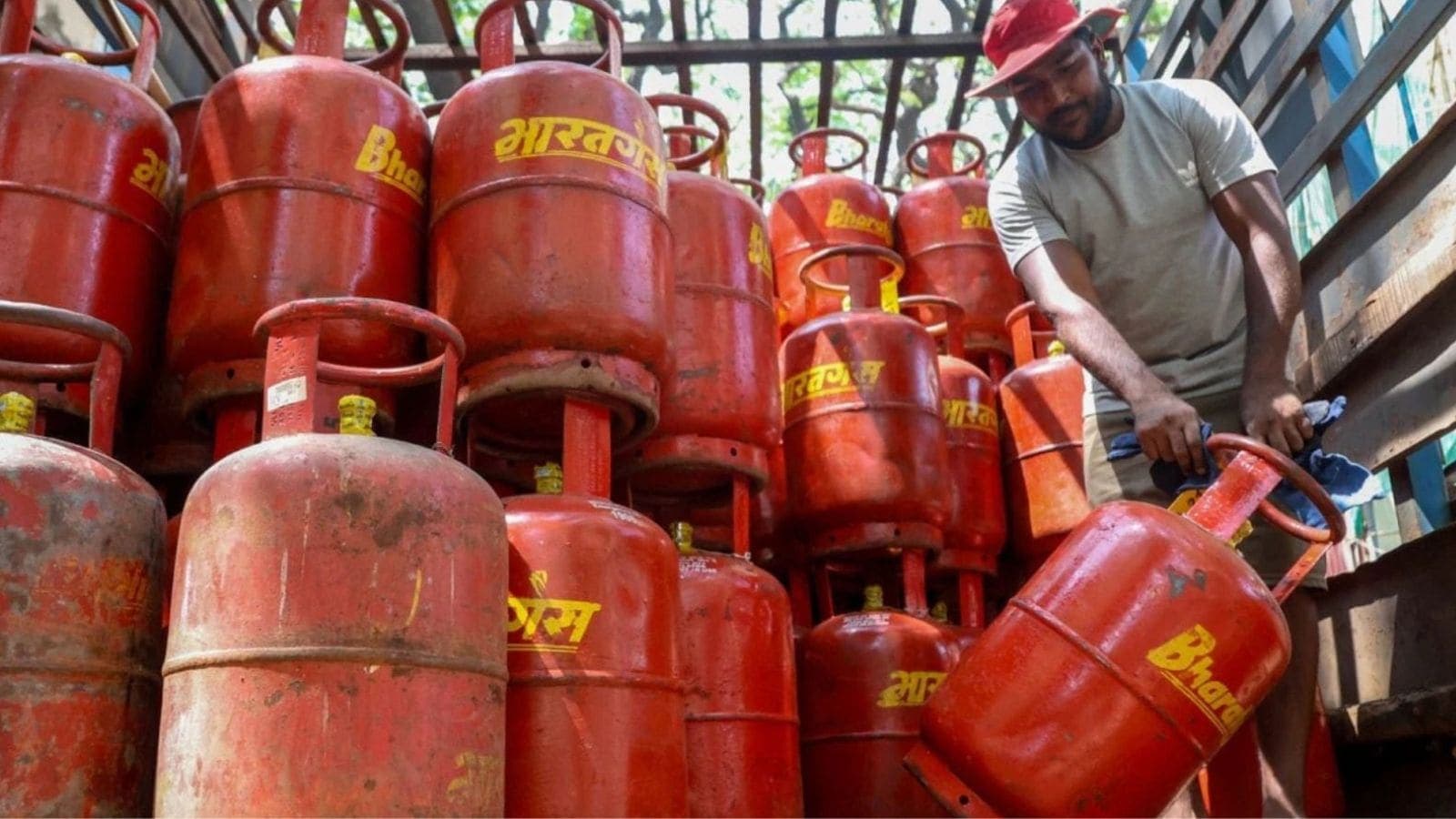
Commercial LPG prices have risen again, with increases of ₹42 in Delhi and ₹53.50 in Kolkata impacting businesses and consumers alike. Find out more.
Indian Express
Discover how a tragic coal mine explosion in Shanxi, China, reveals ongoing safety concerns in the industry amidst a push for green energy.
BBC Business
Montek Singh Ahluwalia highlights key economic challenges for India, emphasizing the need for a strategic approach to balance payments and investment.
Indian Express